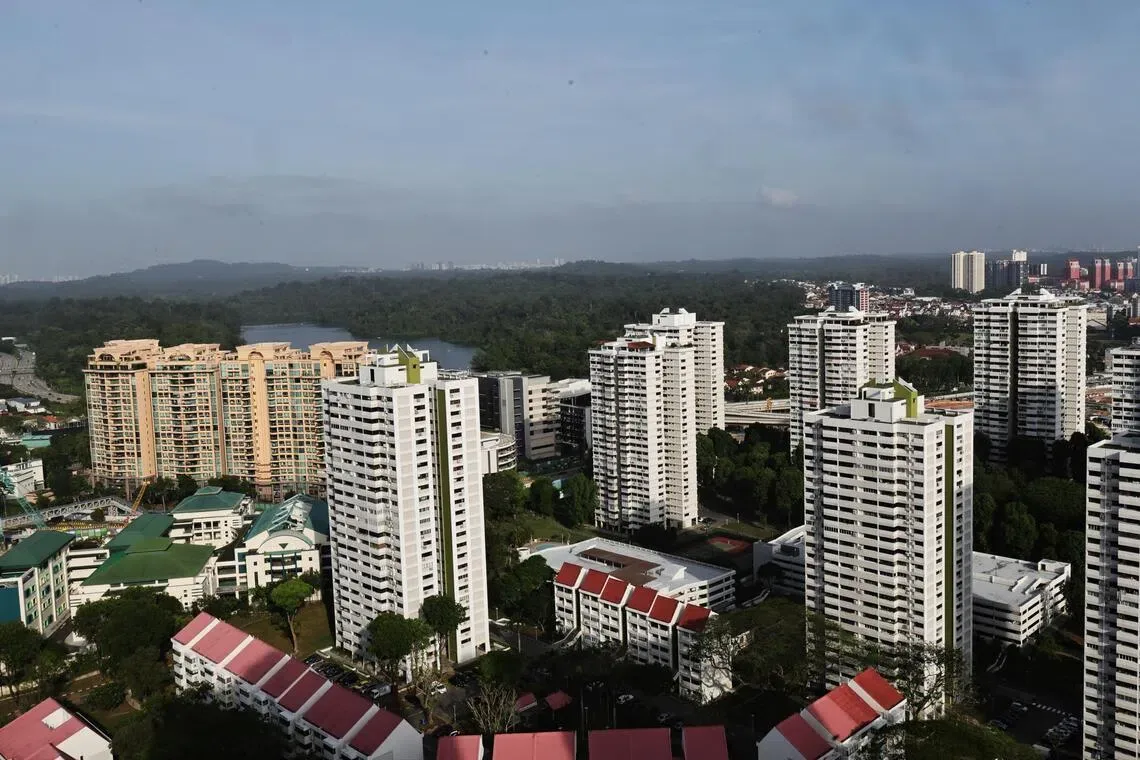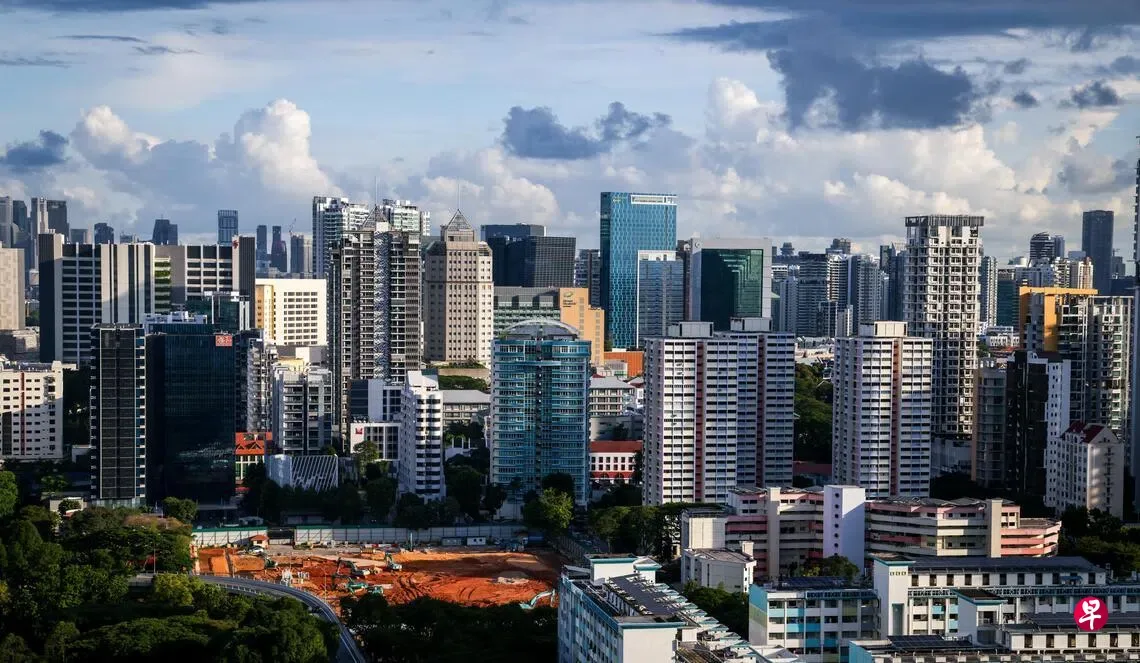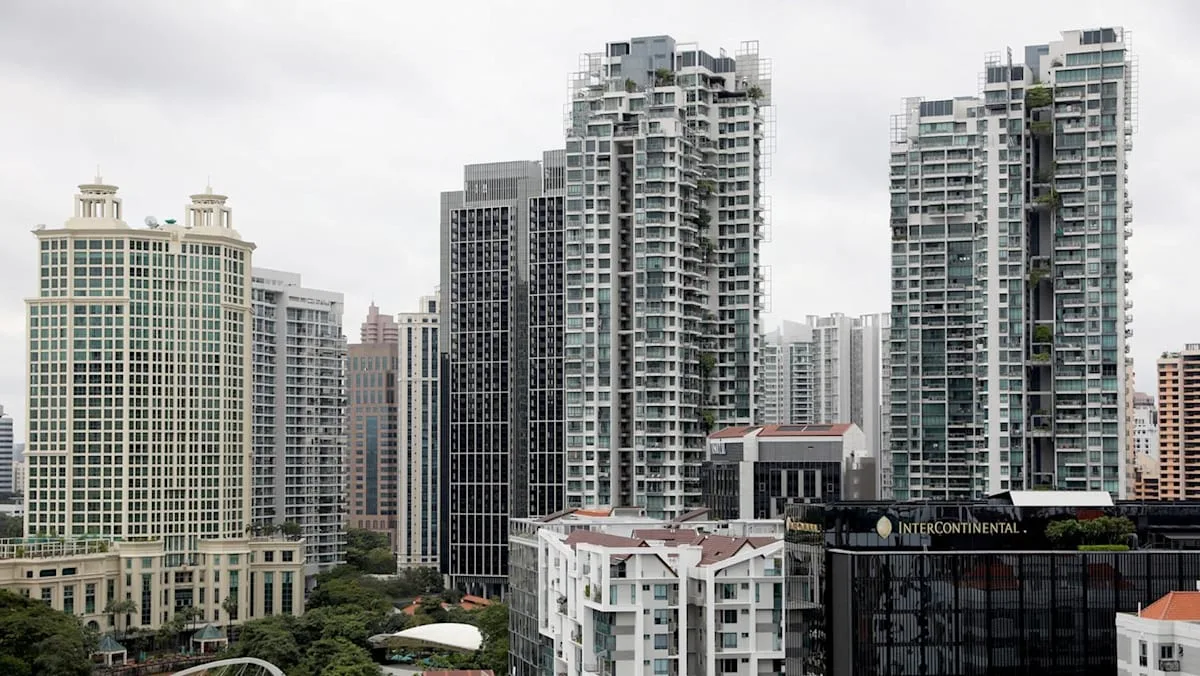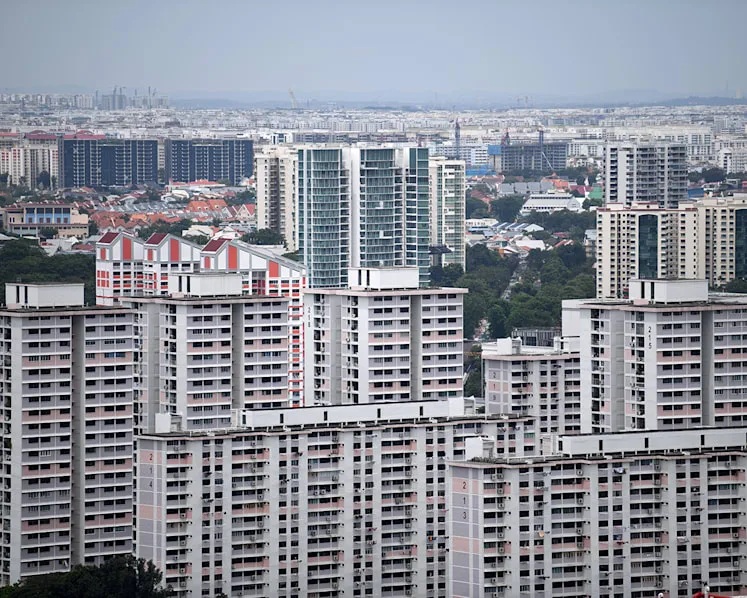
From July 29, 2026, developers of large en bloc residential projects in Singapore will have up to six years to complete construction and sell all units if their projects yield between 700 and 1,399 units, up from the previous 5.5 years [1, 2, 3, 4, 5, 6, 7]. For mega sites yielding 1,400 units or more, the deadline is extended to seven years, also up from 5.5 years [1, 2, 3, 4, 5, 6, 7]. These extensions apply only to residential land acquired on or after July 29, 2026 [1, 2, 3, 4, 5, 7].
To qualify for the extended remission period, redevelopment projects must increase unit numbers by at least 1.5 times compared to the existing development [1, 2, 3, 4]. The timeline to commence development remains unchanged at 2.5 years for both large and mega sites [1, 2, 3].
Developers currently face a 40% Additional Buyer's Stamp Duty (ABSD) on residential land purchases, of which 5% is non-remittable and 35% is remittable contingent on meeting development and sales deadlines [1, 2, 3, 5, 7]. Mega site developers must sell at least half their units by the sixth year to avoid full clawback of the remittable portion and must sell all units by the seventh year to avoid further clawback [3, 4, 6].
The government previously extended ABSD remission timelines by six to 12 months in March 2025 for projects meeting certain conditions [3, 4, 5, 7]. National Development Minister Chee Hong Tat announced the revised timeline extensions and new safeguards on July 28, 2026 [1, 2, 3, 4, 5, 6, 7]. He said, "These changes are intended to set the right incentives for developers to rejuvenate larger estates, so that we can encourage more than intensification and achieve an outcome which is good for society as a whole" [3]. Chee also noted the need for more time, saying, "We recognise that developers seeking to undertake the redevelopment of large residential en bloc sites will require more time... We could end up with a lose-lose outcome for the society as a whole if developers are discouraged from rejuvenating such sites" [5].
Real estate associations welcomed the extension as timely and necessary to help aging large developments unlock value and support sustainable high-quality projects [4]. Karamjit Singh, CEO of Delasa, said, "The extension of time to complete and sell down large projects could bring new hope to aging massive developments deemed 'en bloc-untenable earlier' and 'facilitate the recycling of these valuable sites'" [4]. Knight Frank's Leonard Tay added, "It is only logical that a sense of proportion-to-scale should be adopted into the policy, so that differences in size are recognised on a realistic and practical level" [6].
However, analysts warned that despite the longer timelines, challenges such as rising construction costs and high ABSD for foreign buyers mean the changes alone may not significantly boost collective sale activity [4, 6]. Huttons CEO 叶润明 said, "由于建筑成本上升压缩了利润空间,发展商可能只会在价格合理的情况下,购买集售地段,才能以买家可负担得起的价格推出新项目。因此,集售能否成功,很大程度上取决于价格" [4].
The new ABSD remission timeline extensions will take effect starting July 29, 2026, applying only to relevant residential land purchases from that date onward [1, 2, 3, 4, 5, 7].