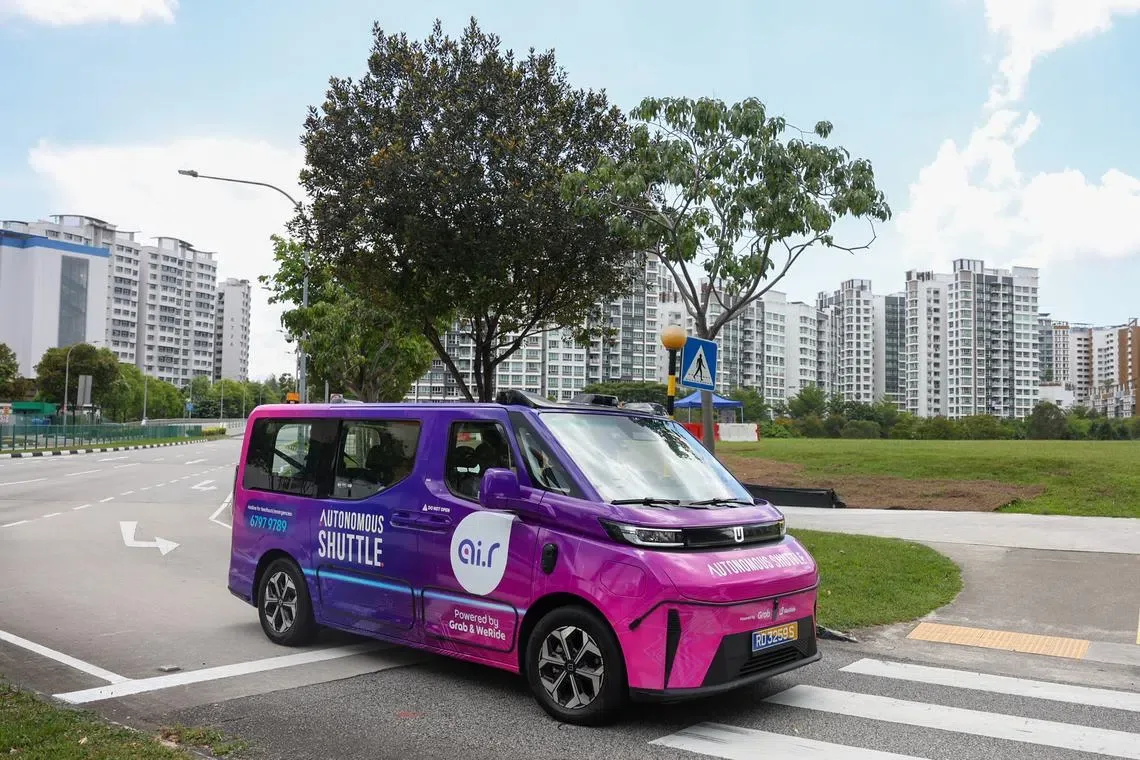
Singapore will invest S$800 million (about US$619 million) in transport research and innovation over the next five years to strengthen its position as a global transport and logistics hub [1, 2, 3, 4, 5, 6, 7]. The funding, announced on July 7 during a parliamentary debate, is part of the National Research Foundation's Research, Innovation and Enterprise (RIE) 2030 plan and will more than double previous investment in this area [1, 2, 3, 4, 5, 6, 7].
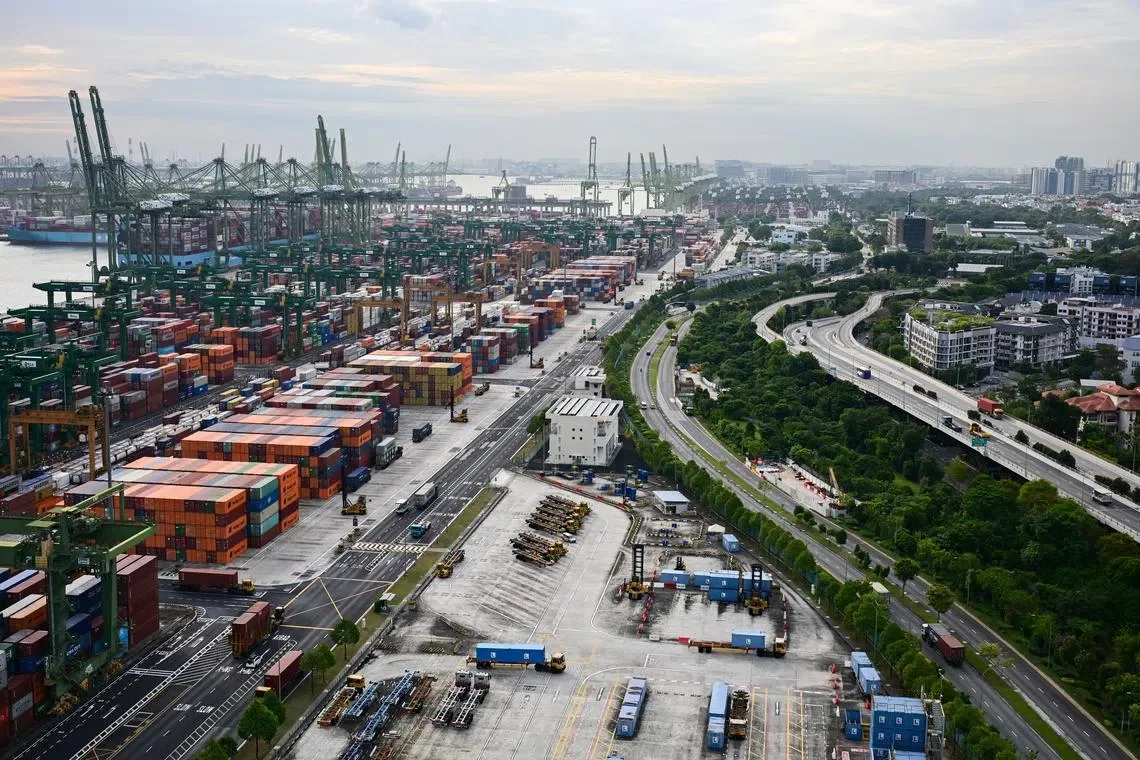
Two-thirds of the funds, approximately S$530 million, will focus on autonomous systems, including vehicles, vessels, and robotics, as well as digital twin technologies that improve connectivity across air, land, and maritime transport sectors [1, 2, 3, 4, 5, 6, 7]. Digital twins are virtual models using real-time data to mirror physical assets, allowing better monitoring, analysis, and digital testing to improve efficiency and resilience [2, 3, 4, 5, 6]. The government plans to use these models to coordinate cargo flows across ports, airports, and logistics hubs, helping predict disruptions and mitigate impacts from weather and other factors [2, 3, 4, 5, 6, 7].
The remaining third of the funding, over S$260 million, will support sector-specific research projects in aviation, maritime, and land transport [2, 3, 4, 5, 6]. Research aims include developing next-generation certification frameworks for autonomous vehicles, unmanned aviation systems, maritime autonomy, and robotics-based cargo transloading using embodied AI [1, 2, 6, 7]. Examples of potential projects are fully automated train depots, AI-enabled air traffic management to expand regional airspace capacity, and smart port networks leveraging digital twins [1, 2, 3, 4, 5, 6, 7].
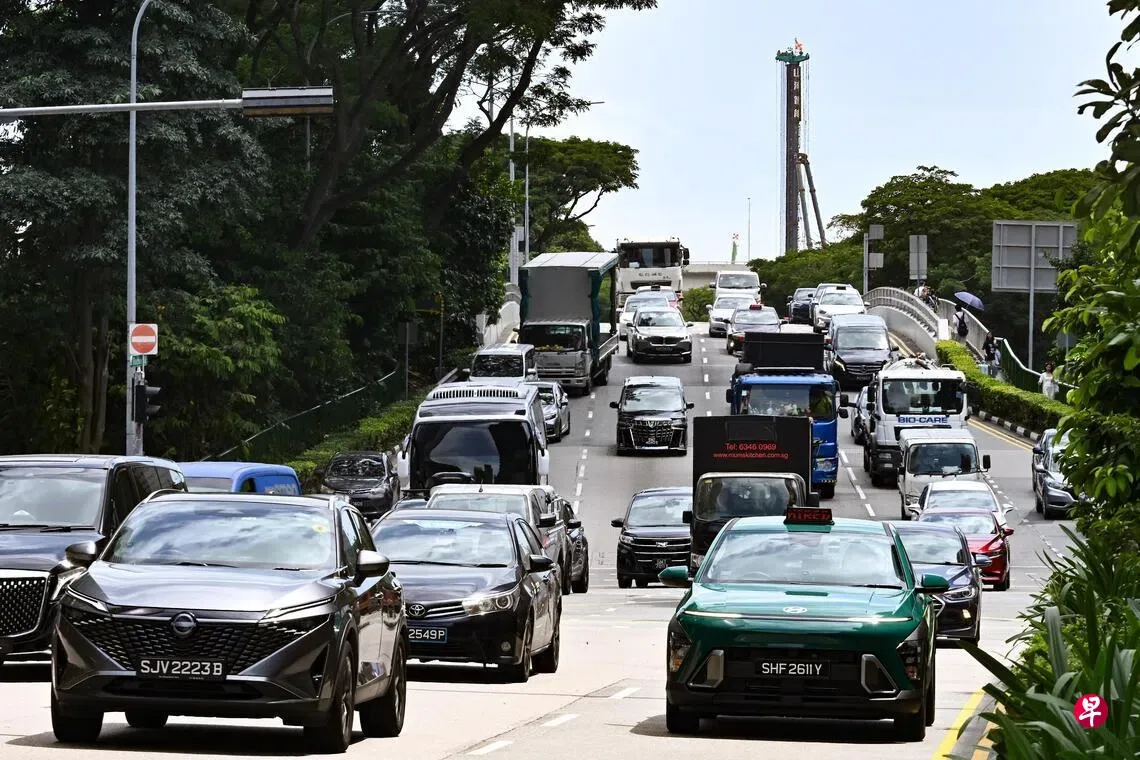
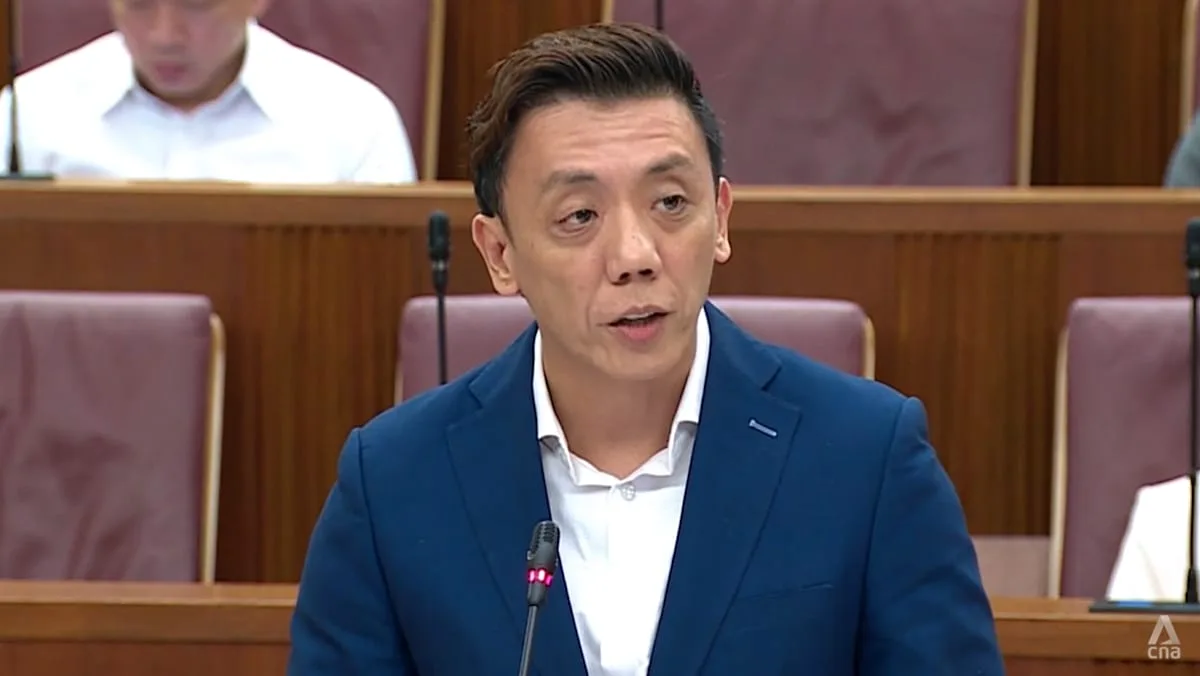
The investment responds to tightening manpower supply and complexity in transport networks by reducing human workload and enabling workers to focus on tasks requiring judgment [1, 6, 7]. Acting Minister for Transport Jeffrey Siow said, "We will use these funds to back ideas that could completely transform how transport operates today," adding that successful projects in the next decade would keep Singapore a major global transport hub but in a fundamentally different form [2, 7]. Ministry of State for Transport Baey Yam Keng stressed that while autonomy improves operations, transport must stay human-centric by creating new and safer jobs [6, 7].
Singapore’s transport sector contributes about 10% to GDP and employs around 7% of the workforce [6]. The government aims to strengthen local research capabilities through collaboration with universities, research institutes, and transport companies to create intellectual property for global markets [6]. Analysts expect the investment to benefit transport-related stocks listed in Singapore [8].
The funding announcement took place during a six-hour parliamentary debate on July 7, chaired by Tin Pei Ling, with 24 members of Parliament speaking and unanimous support for the motion [1, 2, 3, 4, 5, 6, 7].