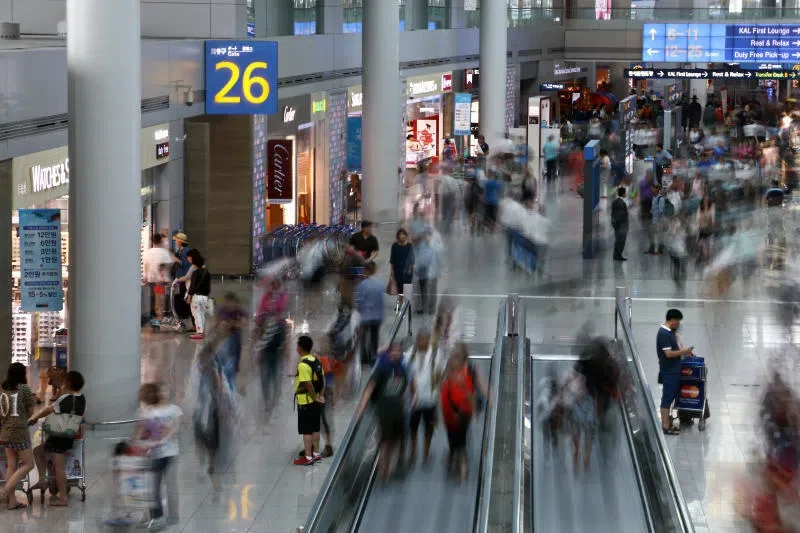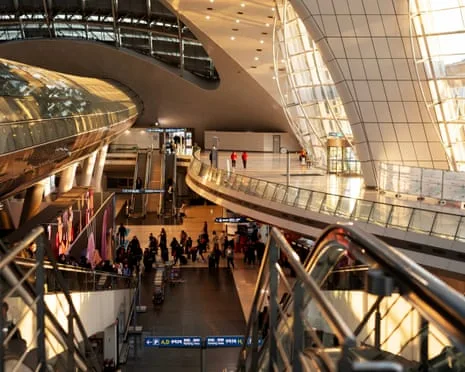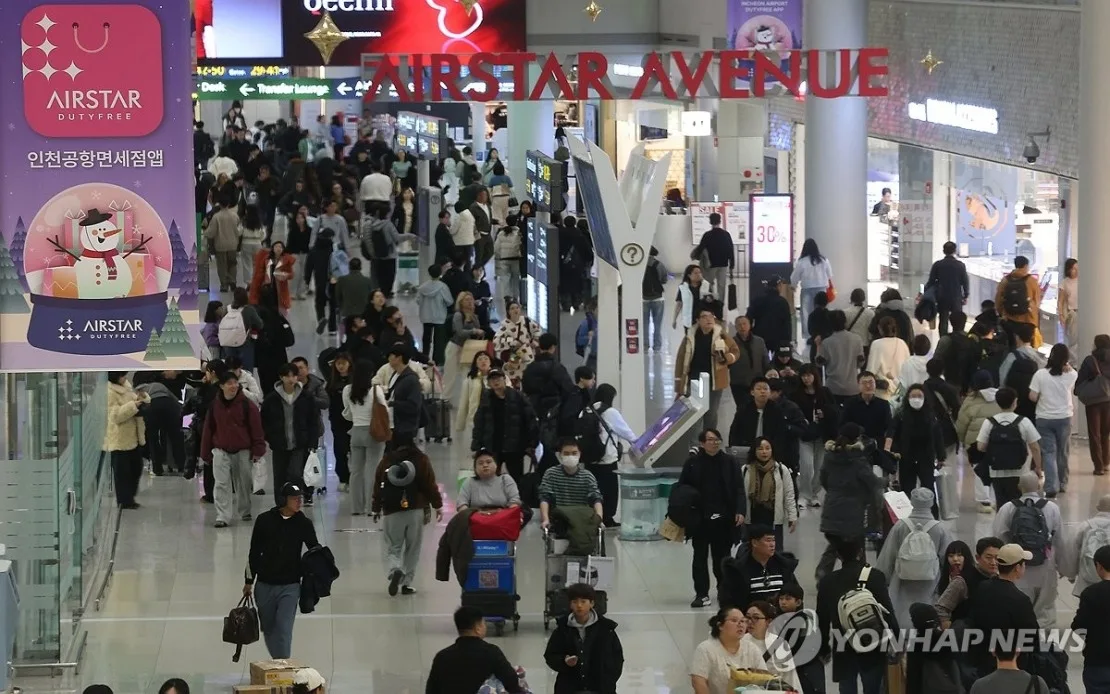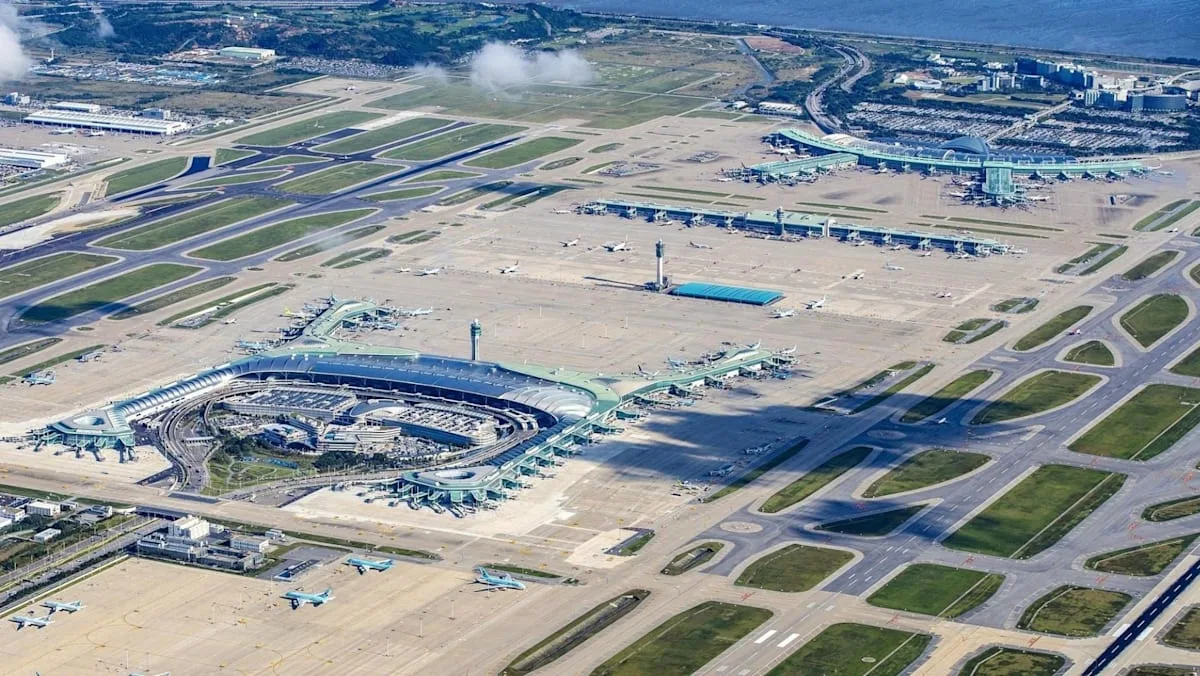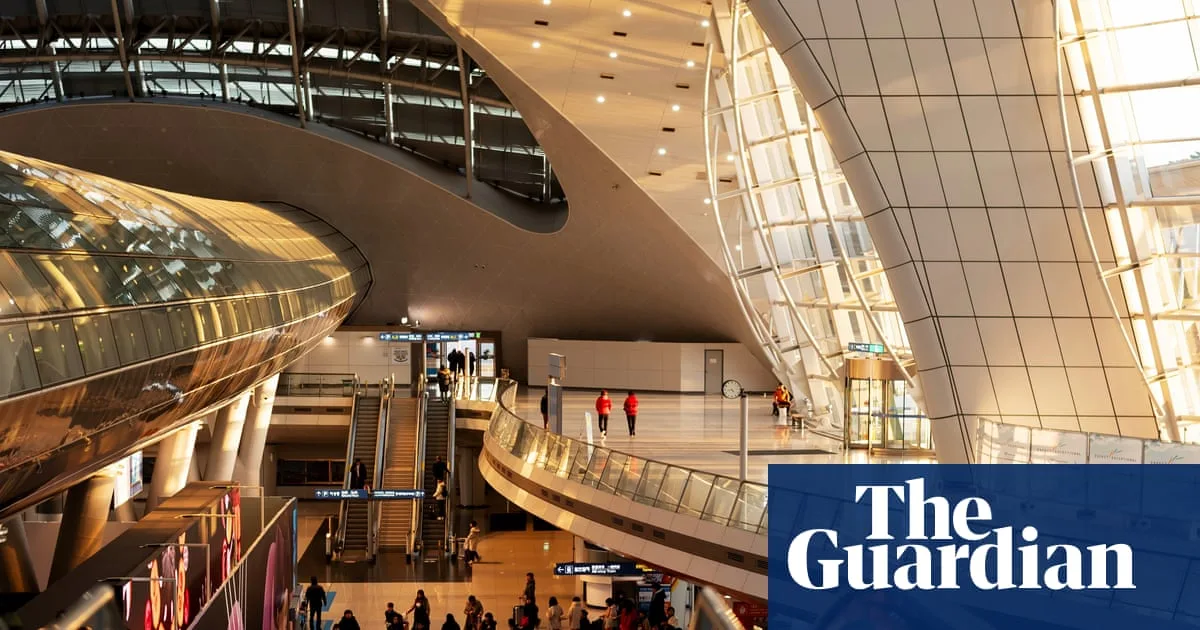
Incheon International Airport became the world's busiest international passenger hub in the first half of 2026, handling 38.39 million international travelers and surpassing London Heathrow and Singapore Changi airports [1, 2, 3, 4, 5, 6]. London Heathrow ranked second with 37.79 million, and Singapore Changi was third with 34.53 million international passengers for the same period [1, 3, 4, 5].
Since opening in 2001, Incheon Airport has climbed the global rankings, moving from tenth in 2002 to fifth in 2018 and third in 2024 before reaching the top spot in 2026 [1, 2, 3]. Kim Beom-ho, acting president of Incheon International Airport Corporation (IIAC), credited the achievement to government support, public encouragement, and the dedication of airport staff, saying the ranking "reflected the support of the government, the public’s encouragement and the hard work" [4, 7].
The airport's growth was aided by geopolitical shifts, particularly the US-Iran conflict that disrupted Middle Eastern hubs including Dubai, redirecting transfer passenger traffic to Incheon [1, 2, 3, 4, 5]. Transfer passenger numbers at Incheon rose 18.1% year-on-year to 4.24 million in the first half of 2026 [1, 3, 5]. Transfer traffic on European routes surged 63.2% to 210,000 passengers through Incheon during the same period [1, 5, 6].
Foreign passengers made up a record 44.4% of Incheon's total traffic in the second quarter of 2026, up from about 39.5% a year earlier [1, 4, 5]. The airport expanded its capacity in November 2024 by completing a four-phase project that boosted annual international passenger capacity to 106 million, making it the third-largest worldwide by capacity [1, 2, 4, 8].
Incheon now connects 183 cities across 53 countries with 101 airlines, surpassing regional rivals Hong Kong, Shanghai Pudong, and Tokyo Narita in global reach [1, 3, 8]. The airport is investing in artificial intelligence and urban air mobility infrastructure as part of South Korea's tourism goals [1, 2].
London Heathrow saw a record 40 million total passengers including domestic flights in the first half of 2026, buoyed by rising Asia-Pacific traffic despite declines in Middle East capacity linked to regional conflicts [4].
Incheon International Airport continues to build on its global hub status with its enhanced capacity and growing network. It will be closely watching passenger trends through the remainder of 2026.