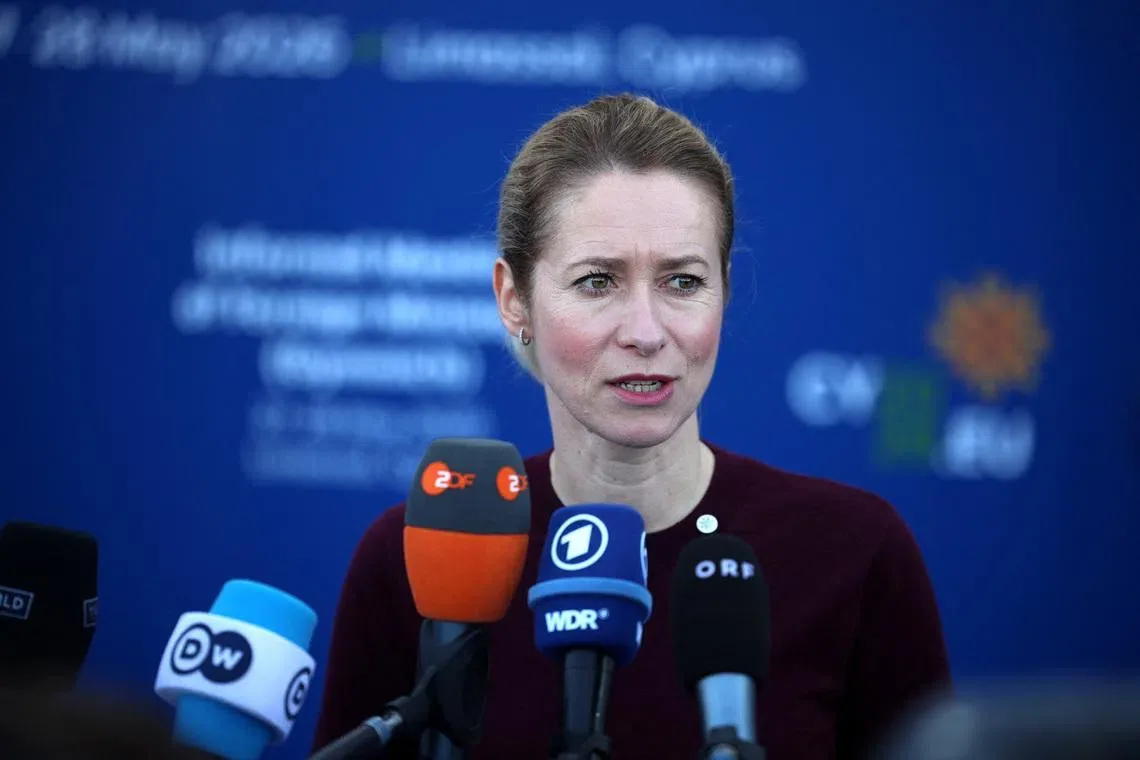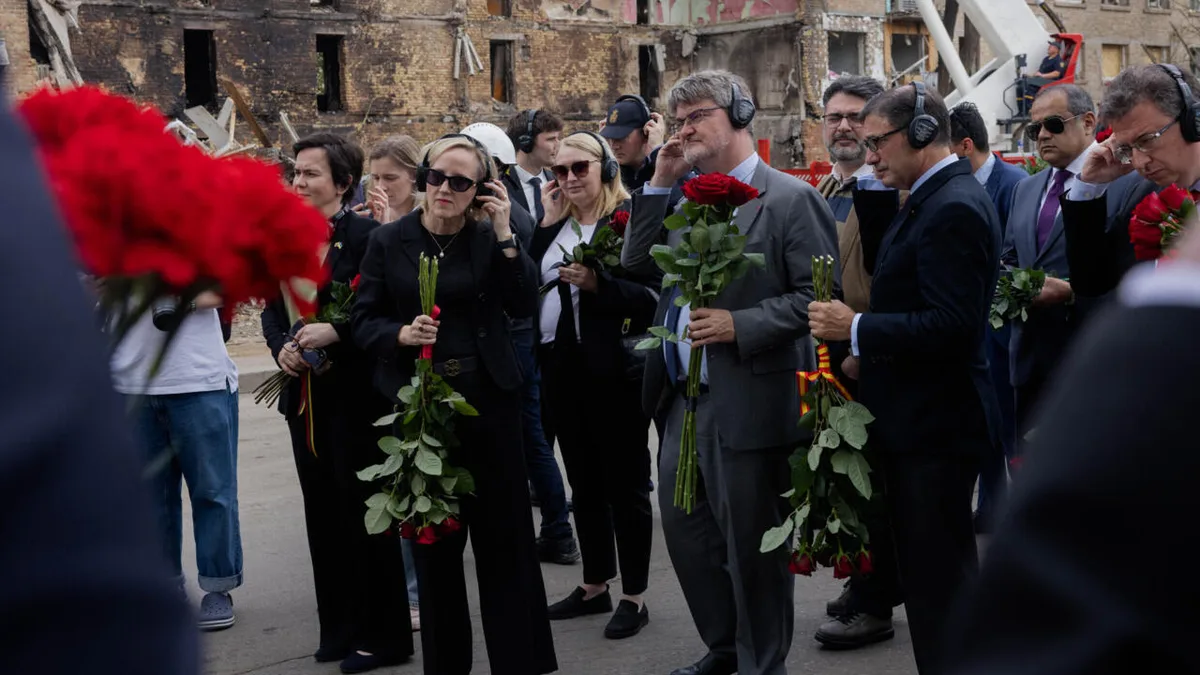
European Union foreign ministers held an informal meeting in Cyprus on May 27-28 to discuss their strategy for potential negotiations with Russia over the Ukraine conflict, which has lasted more than four years [1, 2]. Russian President Vladimir Putin proposed that former German Chancellor Gerhard Schroeder could represent Europe in these talks, but the offer was firmly rejected by European leaders [1, 2, 3, 4].
EU foreign policy chief Kaja Kallas condemned the proposal as a trap designed to divide Europe and manipulate the negotiation process. She said, "I find that it's a trap that Russia wants us to walk into, that we discuss who talks to them, and they're already picking who is suitable or who is not" [2]. Italian Foreign Minister Antonio Tajani also pushed back, stating, "Europe will decide the name of the negotiator, not Mr. Putin. It is not a Putin decision, it is our decision" [2].
Prior to selecting any envoy, the ministers emphasized it was premature to name a negotiator. Instead, they agreed the focus should be defining the demands and strategy for talks with Russia [1, 2, 3, 4]. Kallas outlined several red lines for negotiations, including a halt to hostilities in Europe, compensation for war damages, and mutual military restrictions [4]. She stressed, "Before we talk to the Russians, we should agree and talk amongst ourselves what we want to talk to the Russians about" [3].
Ukraine has called on Europe to take a more active role in negotiations, particularly as the US shifts its focus to conflict with Iran. Estonian Foreign Minister Margus Tsahkna indicated Kyiv fears the US may withdraw from talks, increasing the urgency for European involvement [1].
The EU has maintained sanctions and limited diplomatic relations with Russia since the start of its 2022 invasion of Ukraine [1]. EU leaders have yet to reach consensus on specific preconditions or representatives for future negotiations with Moscow [2, 4].
The next steps will likely involve further internal EU discussions to define unified negotiation positions and potentially select envoys, although no timeline has been announced.