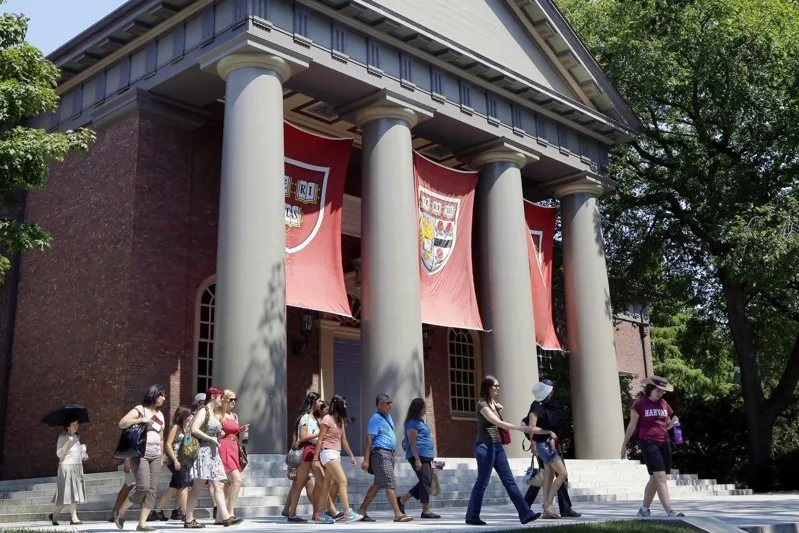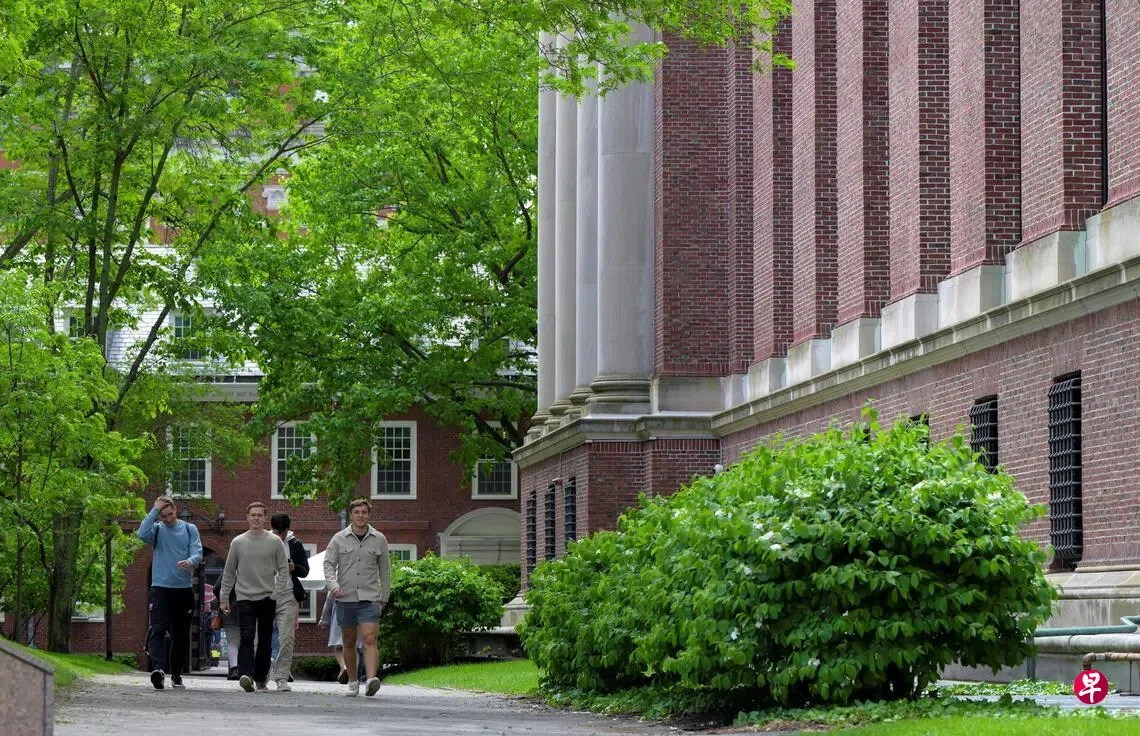
Harvard College faculty approved a policy capping A grades in undergraduate courses at 20% of students plus four additional students per class. The change aims to counter growing grade inflation and will take effect in the fall semester of 2027 [1, 2, 3].
A report released in October 2025 revealed that about 60% of grades awarded to Harvard undergraduates were A's, a sharp rise from roughly 25% two decades ago [1, 2, 4]. Harvard's Dean of Undergraduate Education, Amanda Claybaugh, said the vote marks "an important step toward ensuring that our grading system better serves its central purposes: giving students meaningful feedback, recognizing genuine distinction, and sustaining the academic mission of the College" [3]. She added that the reform will "strengthen the academic culture of Harvard" and may encourage other schools to address similar issues [1].
The new policy excludes grades at the A- level and below from any cap. Faculty will also switch to using average percentile rankings instead of GPA for determining internal awards and honors [1, 2, 5]. A proposal allowing courses graded on a satisfactory/unsatisfactory basis to petition to opt out of the cap was rejected [1, 2].
Some faculty expressed concerns the grading limit might increase competition among students, discourage intellectual risk-taking, and reduce faculty autonomy in grading [1]. Nevertheless, the faculty vote passed with a stronger margin than anticipated. Alisha Holland, co-chair of the faculty panel, said, "Faculty should start revisiting their grading systems ahead of implementation" [4].
Student opposition to the cap has been strong. A February 2026 survey showed nearly 85% of Harvard undergraduates opposed limiting the number of A grades. The Harvard Undergraduate Student Association co-chairs Zach Berg and Daniel Zhao said, "We understand concerns about the grading system, but are disappointed students' voices were not central to the decision" [1, 6, 5].
Harvard’s faculty framed grade inflation as a collective-action problem that required coordinated action. A faculty subcommittee stated, "For decades, grade inflation has been a collective-action problem: everyone saw it, but no one faculty member could fix it alone. The faculty have now taken a major step to fix it together" [3].
Similar grade caps were attempted at Princeton and Cornell but were abandoned due to opposition [6, 5]. Harvard plans to review the effects of the new policy three years after it starts [5, 3]. The policy will apply to all letter-graded undergraduate courses beginning with the 2027–28 academic year [1, 2].