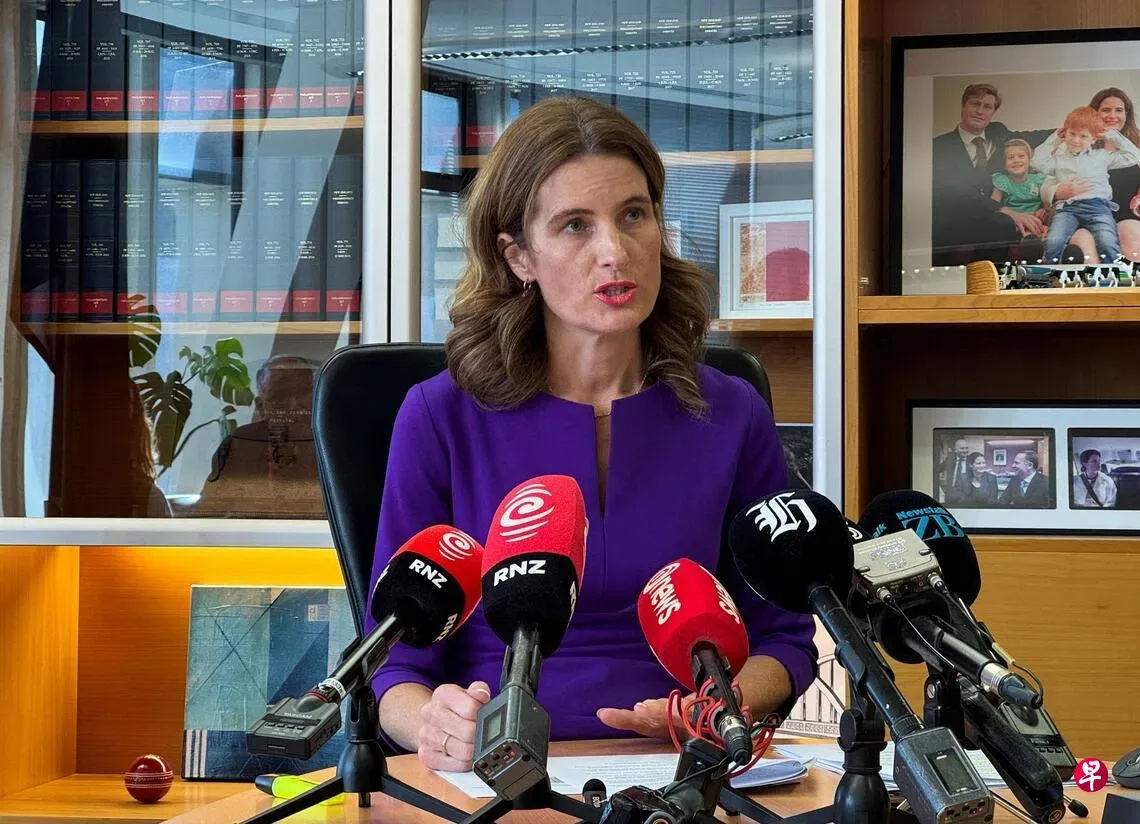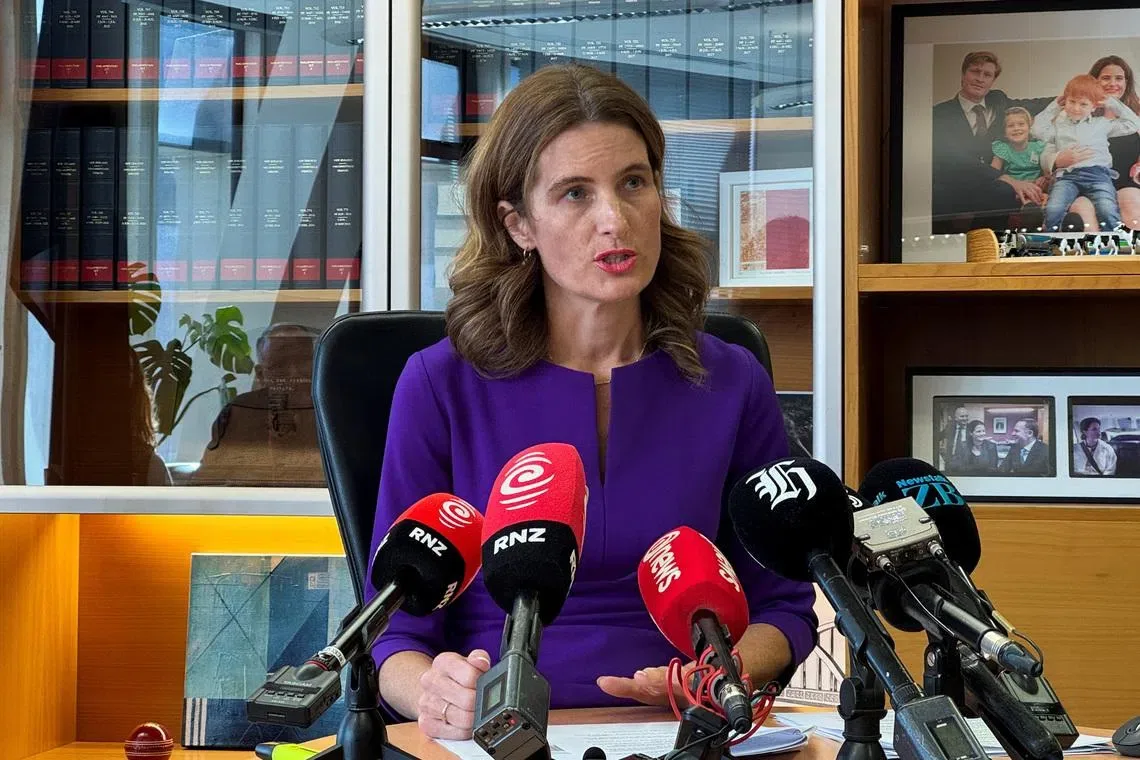
New Zealand's government announced on May 19 that it will cut between 8,700 and 9,000 public service jobs by mid-2029, aiming to reduce public servants from about 63,600 in late 2025 to roughly 55,000. Finance Minister Nicola Willis said, "We want to bring it back down to 1 per cent. So we’re going to set a target for that reduction to be achieved by 2029" [1].
The cuts will reduce the public service workforce from 1.2% to approximately 1% of the working-age population. Willis emphasized the scale was "not only unsustainable, it does not align with international trends" [2]. The reduction will exclude frontline workers such as teachers, nurses, doctors, police, and Crown entity employees [3, 2, 4].
The government plans to merge some departments, cutting the current total from around 42 agencies to a smaller number modeled on Finland’s roughly 12 ministries. Willis spoke in Auckland about expanding artificial intelligence use and modernizing outdated back-office systems to improve services and efficiency [1, 5, 2, 4].
Operating budgets for most agencies will face consecutive cuts: 2% in the upcoming fiscal year, followed by 5% annual cuts for two more years. These reforms target savings of NZ$2.1 to NZ$2.4 billion over the forecast period, freeing funds amid a cautious fiscal environment ahead of the November 7, 2026 election [1, 3, 5, 2, 6, 4]. Willis stated, "With an election around the corner, it's tempting to proffer another spending band-aid. Our government is not going to repeat those mistakes" [3].
Opposition parties and trade unions criticized the plans. Green Party spokesperson Francisco Hernandez likened the strategy to a "doge-style neoliberal fantasy" inspired by Elon Musk's Department of Energy model [5]. Former Labour leader Chris Hipkins warned the cuts would "damage frontline services" [2].
Prime Minister Christopher Luxon backed the changes, saying, "A more efficient public service is exciting. The public sector is not a jobs agency" [2, 4]. The center-right government came to power in 2023 and has been pursuing public service cost reductions since then [1].
By July 1, 2026, the government aims to reduce core public service full-time equivalent roles to no more than 55,000 [3]. The 2026 budget on May 28 will detail operating budget cuts planned over the next three years [3]. The reforms continue amid the lead-up to the general election on November 7, 2026 [2, 4].