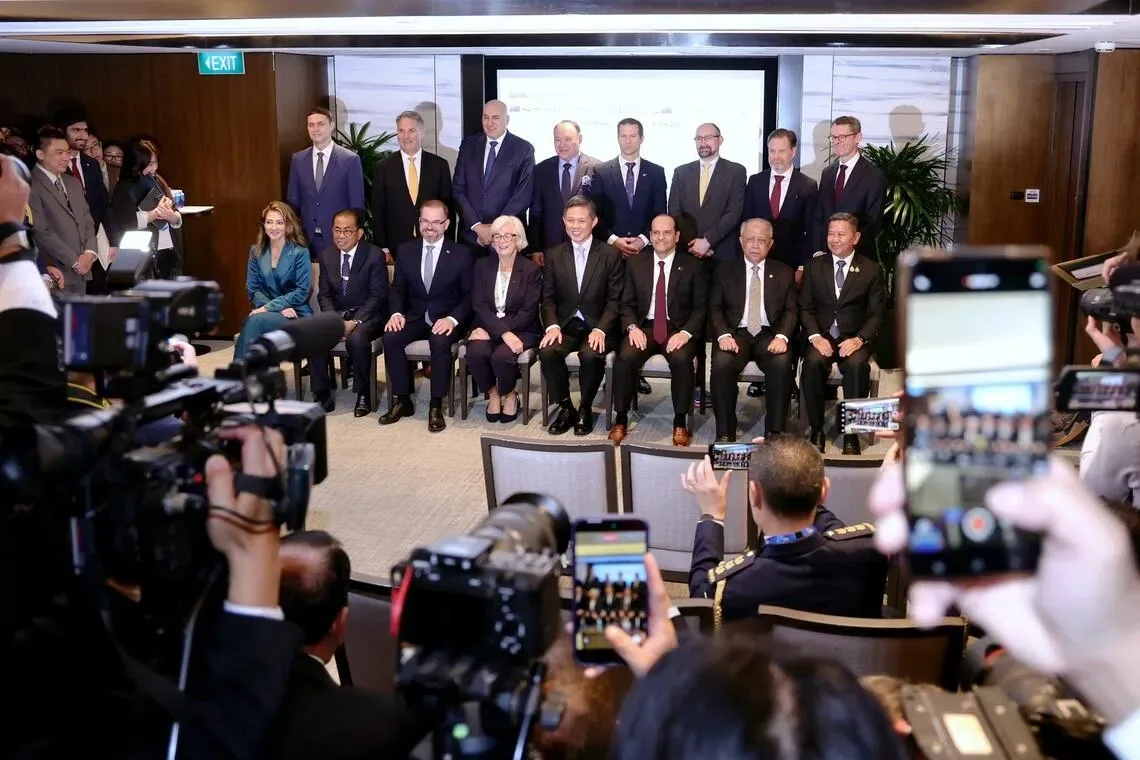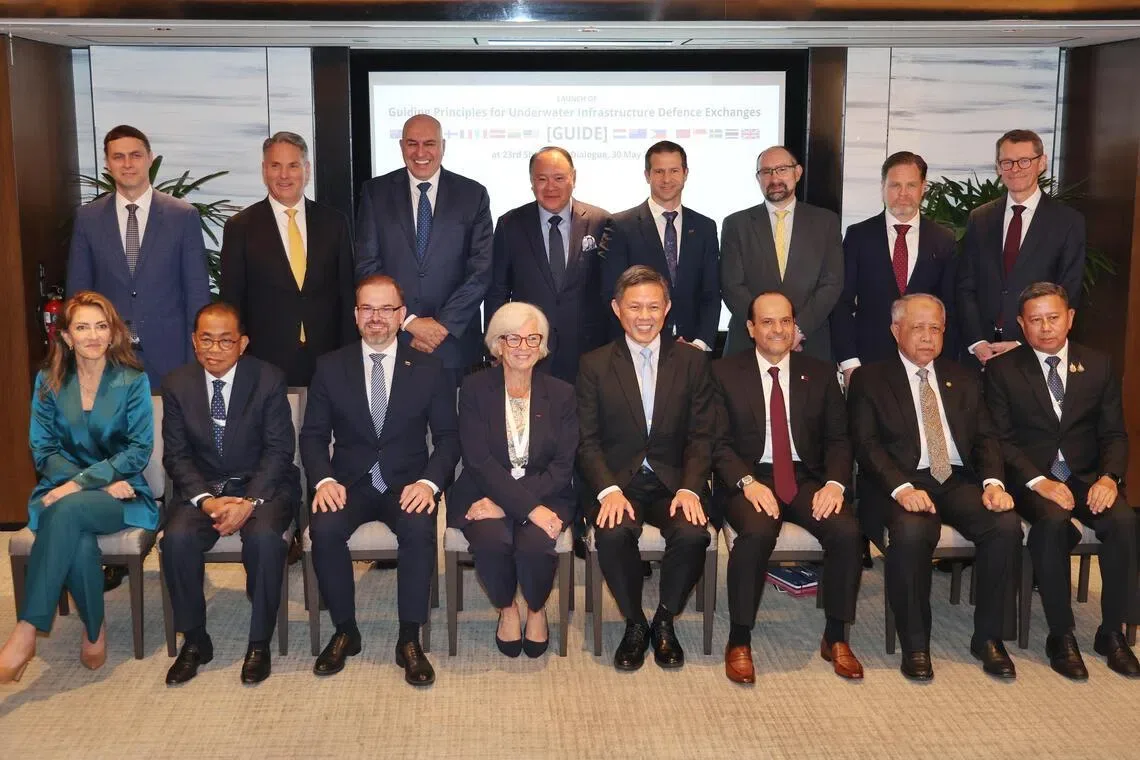
Seventeen countries unveiled the Guiding Principles for Underwater Infrastructure Defence Exchanges (GUIDE) on May 30, 2026, at the 23rd Shangri-La Dialogue in Singapore to protect critical subsea telecommunications and energy cables from attacks [1, 2, 3, 4, 5, 6, 7]. The participating countries include Australia, Brunei, Estonia, Finland, France, Italy, Latvia, Lithuania, Malaysia, Netherlands, New Zealand, Philippines, Qatar, Singapore, Sweden, Thailand, and the United Kingdom [4, 6, 7].
GUIDE is a voluntary, non-legally binding international framework that facilitates information sharing, technical exchanges, early warning of threats, and improved incident response for underwater infrastructure defense [1, 2, 3, 4, 5]. It respects national sovereignty and operates under international law, including the UN Convention on the Law of the Sea, emphasizing civilian-led cooperation with military support as appropriate [4].
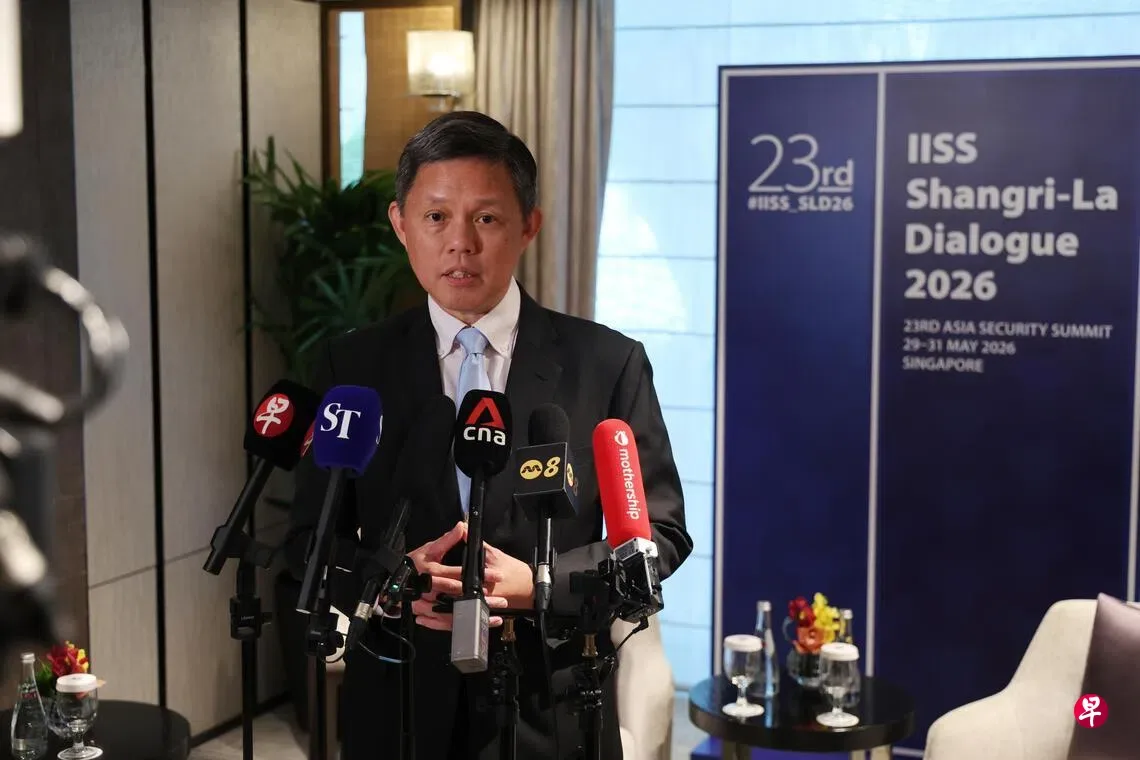
Underwater subsea cables carry more than 95% of global internet and data traffic, in addition to energy pipelines and power cables critical for global communications and energy systems [1, 2, 3, 5]. Singapore Defence Minister Chan Chun Sing stressed the global importance, saying, "The world's ocean floors now host critical underwater infrastructure that connects energy and telecommunications networks," and warned disruption to any part could affect the entire system [6]. He added, "That is why it gives us great joy to see so many countries — from Europe to the Middle East, Southeast Asia, Asia-Pacific — coming together" to protect this infrastructure [7].
Recent years have seen rising threats to these assets. In 2025, high-profile cable-cutting incidents involving Taiwan were linked to ships crewed by Chinese nationals [1, 2, 3, 5]. The Baltic Sea region also faced undersea cable damages, and in April 2026, three Russian submarines reportedly conducted covert operations targeting cables and pipelines near UK waters [1, 2, 3].
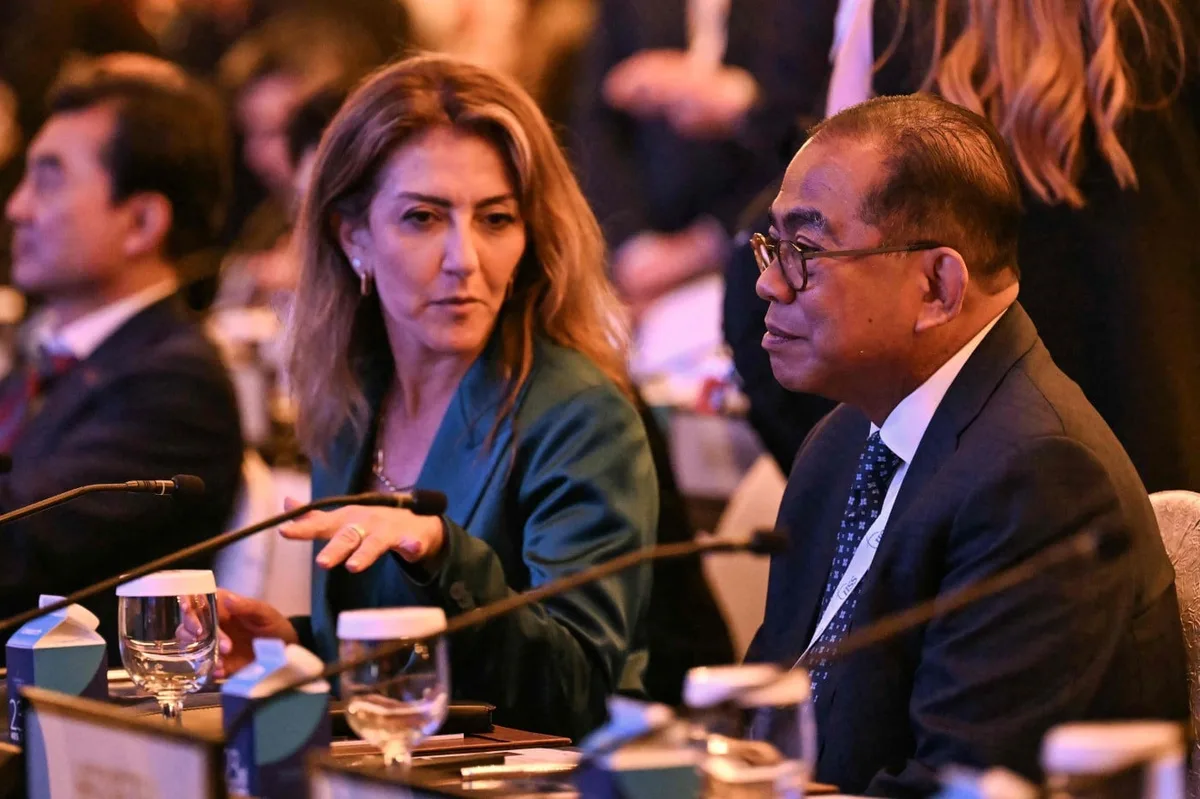
Malaysian Defence Minister Datuk Seri Mohamed Khaled Nordin said GUIDE opens opportunities for close cooperation on underwater infrastructure security, noting Malaysia's commitment to strengthening defense ties and tackling transnational challenges [6, 7]. From Singapore, Defence Minister Chan highlighted the complex connectivity these cables provide and the systemic risks posed by disruption [6, 7].
China is not part of the framework, and other nations have expressed interest in joining but require domestic approvals [4]. A Singapore Minister expressed hope that international collaboration can establish norms to maintain and protect underwater assets and hold those who threaten them accountable [4].
The launch of GUIDE provides a coordinated platform for these 17 nations to share best practices and enhance the resilience of critical underwater infrastructure, aiming to prevent incidents like those in 2025 and 2026. The next Shangri-La Dialogue will review progress on expanding participation and operationalizing information exchanges.