The Taliban government published Decree No. 18 in mid-May 2026 regulating separation of spouses, with provisions that effectively permit child marriage in Afghanistan [1, 2, 3, 4]. The decree appeared in Afghanistan’s Official Gazette after approval by Taliban Supreme Leader Hibatullah Akhundzada and the justice ministry [1, 3, 4].
Article 5 allows marriage contracts for minors to be made by relatives other than the father or grandfather, making child marriage legally valid. The decree also states that a girl reaching puberty who remains silent can be interpreted as consenting to marriage [1, 3, 4]. Minors can annul their marriage at puberty only if approved by a court [1, 4].
The decree further stipulates that marriages arranged by a father or grandfather without dowry or with embezzlement can be invalidated. A minor girl married off by those relatives to a man with a bad reputation or who mistreats her may seek annulment after puberty [4].
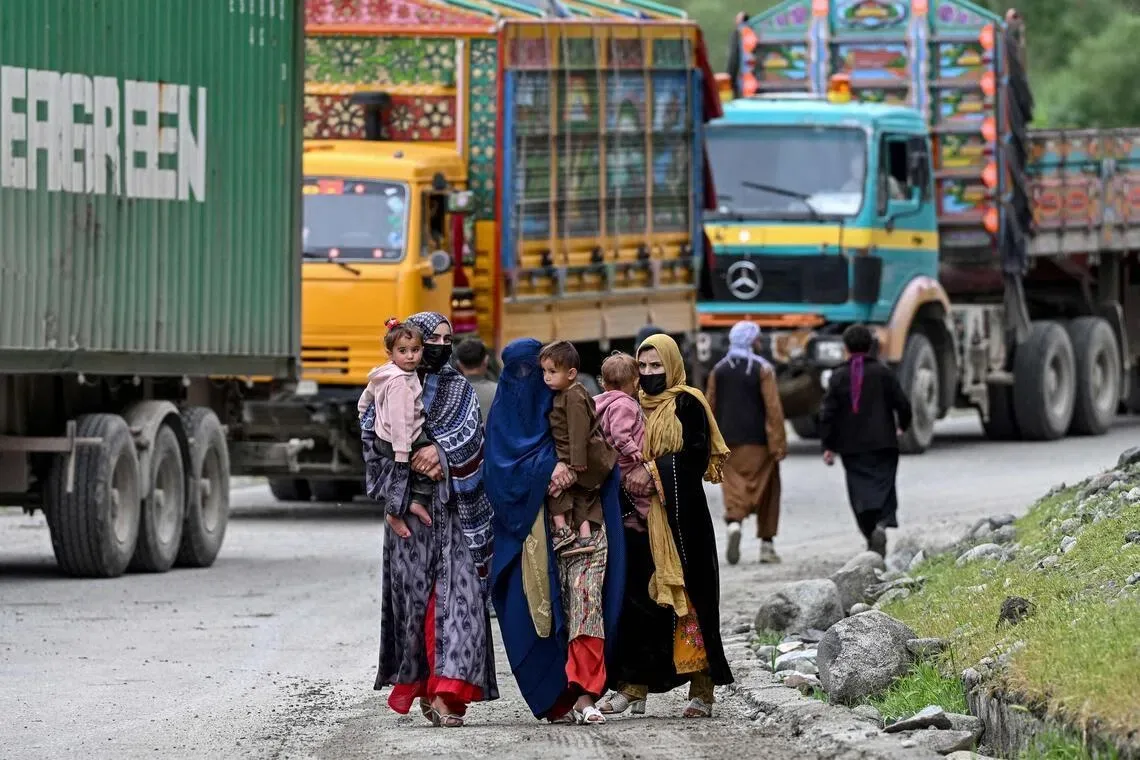
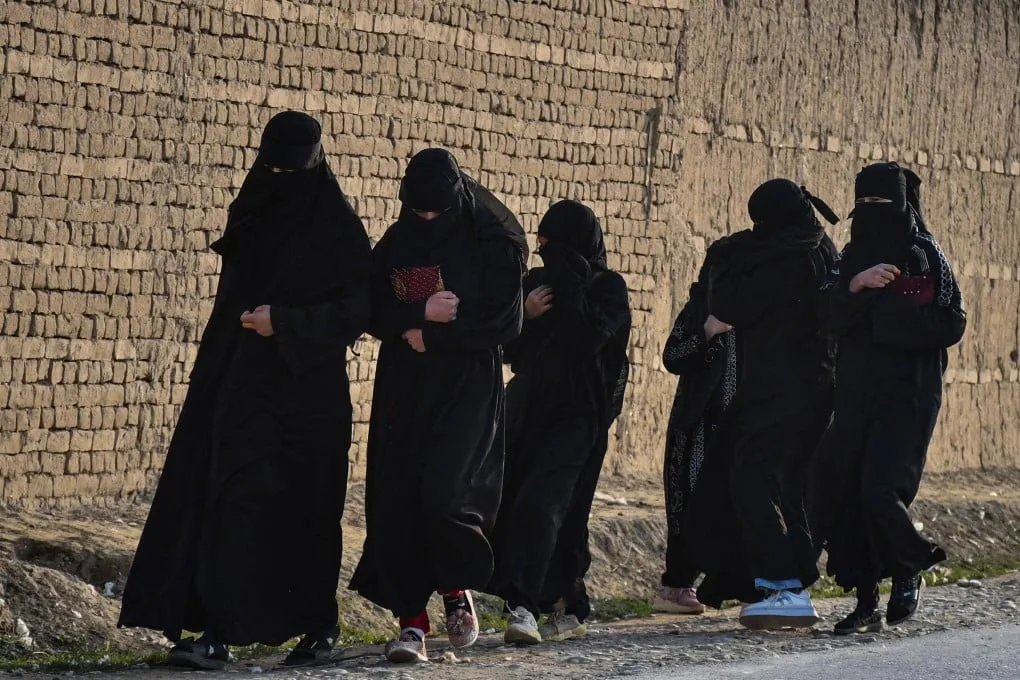
While men face easier procedures to initiate separation, women must navigate more complex judicial hurdles. The decree reinforces systemic discrimination, restricting Afghan women and girls’ autonomy, opportunity, and access to justice [1, 2, 3, 4]. Since 2021, the Taliban have banned girls from education beyond primary school and curtailed women’s public participation [1, 2, 3].
The UN Assistance Mission in Afghanistan and the UN deputy special representative criticized the decree for entrenching discrimination and eroding women’s rights. Georgette Gagnon, UNAMA’s deputy special representative, said the decree “is part of a broader and deeply concerning trajectory” undermining Afghan women and girls [1, 2, 3, 4]. UNAMA called on the Taliban to align laws with international human rights norms, including ending child marriage and ensuring voluntary consent [3].
The Taliban government rejected criticism, asserting the decree complies with Islamic law and that forced marriage of girls is banned. A Taliban spokesperson dismissed protests as attacks by those hostile to Islam [2, 4]. Activists warn the decree legitimizes child and forced marriage and severely limits women’s ability to divorce against their husband’s will. Fatima, an activist, said the Taliban are “attempting to institutionalise child marriage within the formal legal structure” [2].
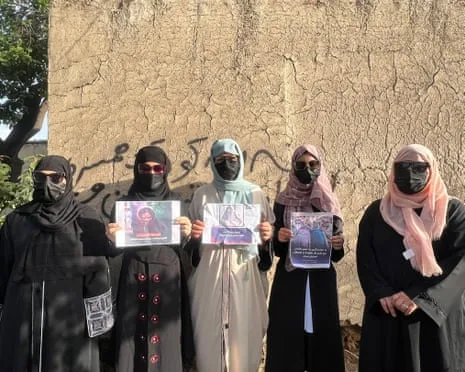
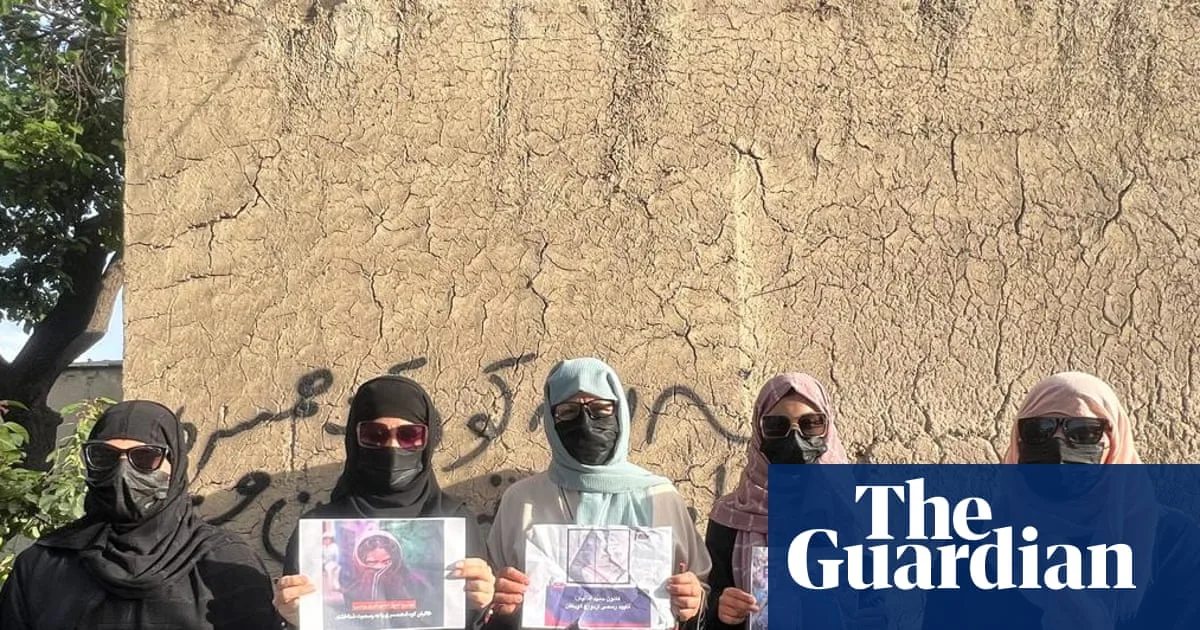
There were reported demonstrations in Kabul on May 22 protesting the decree, with women’s rights groups condemning the new law [2]. Estimates suggest about 70% of girls barred from education in Taliban-controlled areas were pushed into early or forced marriage, with 66% involving girls under 18 [2].
Decree No. 12 in 2026 introduced limited judicial interventions for abuse but imposed minimal penalties on abusive husbands, such as 15-day jail terms [3].
The decree remains officially in force, while UN and rights groups continue to call for action to protect women and girls from child marriage and discrimination [1, 2, 3, 4].