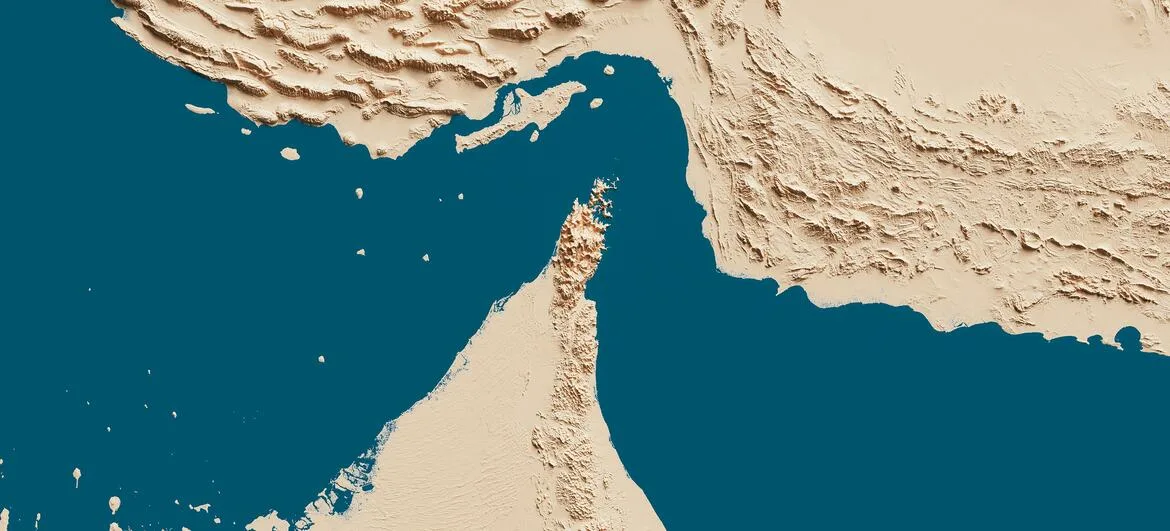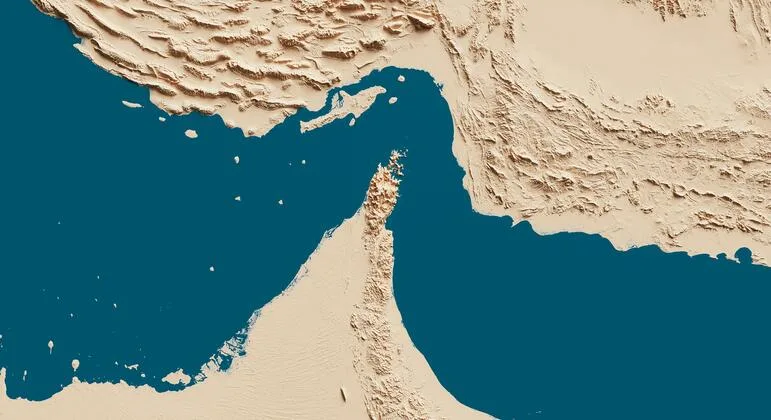
The United Nations Food and Agriculture Organization (FAO) issued a warning on May 20 that the closure of the Strait of Hormuz may spark a severe global food price crisis within the next 6 to 12 months [1, 2, 3]. Iran has effectively closed the strategic waterway to tanker and cargo traffic following US and Israeli strikes on the country [1, 2]. Prior to the conflict, the Strait of Hormuz accounted for 20% of global oil shipping and 33% of the world’s fertilizer supply, critical inputs for global agriculture [1, 2].
FAO said the global food price index has risen for three consecutive months since the conflict started, signaling the early phase of a broader food shock [1, 2, 3]. The shock is expected to unfold in stages: rising energy prices pushing up costs, shortages of fertilizer and seeds, lower crop yields, and finally higher commodity and food inflation [1, 2, 3]. FAO called the blockage not a temporary shipping disruption but the start of a systemic agrifood crisis affecting multiple sectors [1, 2].
FAO chief economist Maximo Torero said, "The time has come to start seriously thinking about how to increase the absorption capacity of countries, how to increase their resilience to this choke" [1]. He emphasized that the policy window to prevent the worst effects is rapidly closing, with decisions on fertilizer use, imports, financing, and crop choices in the coming months being critical [3].
To mitigate fallout, FAO urged more attention to alternative land and sea routes bypassing the Strait of Hormuz, such as routes across the Arabian peninsula to the Red Sea [1, 3]. It also called on countries to avoid imposing export restrictions on energy and fertilizers and to exempt food aid from any trade curbs [1, 2, 3].
Adding to risks, FAO noted that the developing El Niño weather pattern could amplify drought conditions and disrupt temperature and rainfall, further threatening food production [3].
On May 20, Torero released a podcast underscoring the urgent need to boost resilience to disruptions from the Strait of Hormuz closure [1, 2]. FAO’s formal statement the same day labeled the blockage as the start of a systemic agrifood shock and warned of a possible global food crisis within 6 to 12 months [1, 2].