The US Treasury on May 29 barred US persons from engaging with the Iranian government for services related to safe passage through the Strait of Hormuz, regardless of payment, citing sanctions risks amid the ongoing Iran conflict [1, 2, 3]. The US Office of Foreign Assets Control designated Iran's newly formed Persian Gulf Strait Authority (PGSA), which Iran established to collect tolls from vessels transiting the strategic waterway, under counterterrorism authorities [1, 2, 3]. Officials warned that any dealings with the PGSA carry sanctions risks.
Shipping traffic through the Strait of Hormuz has dropped sharply since the Iran war began on February 28, 2026. About one-quarter of non-Iranian large oil tankers trapped inside the Persian Gulf at the conflict's start have managed to slip out slowly and stealthily [1, 2, 3]. Experts say Iran now effectively controls the Strait, and postwar commercial oil traffic is unlikely to return to prewar levels, possibly reaching only 60 to 70 percent with restrictions on Western vessels [4].
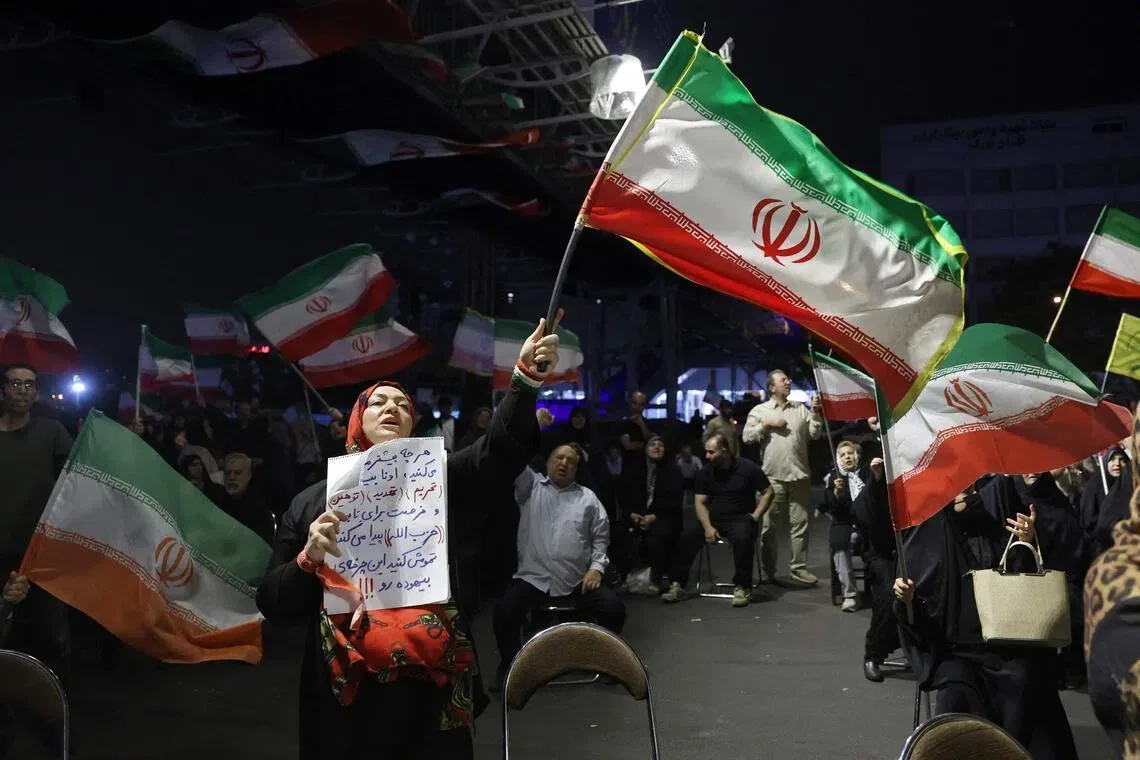
Iran’s chief negotiator, Mohammad Bagher Ghalibaf, said on May 31 that Tehran will not agree to any deal with the US unless Iranian rights are fully secured, expressing distrust toward US promises. "We will not approve any agreement until we are certain that the rights of the Iranian people have been upheld," Ghalibaf said. "There is no trust in the enemy’s words and promises. Our only criterion is to achieve tangible results before we fulfill our commitments in return." [5]
Reports emerged on May 30 that US President Donald Trump sent a tougher peace proposal to Iran, though details remain unclear and negotiations are strained. Trump said, "The one guarantee that I have to have is that there will be no nuclear weapons. They’ve agreed to that, and it was very interesting." [5] Iran demands the release of $12 billion in frozen assets before substantive nuclear talks can proceed [5].
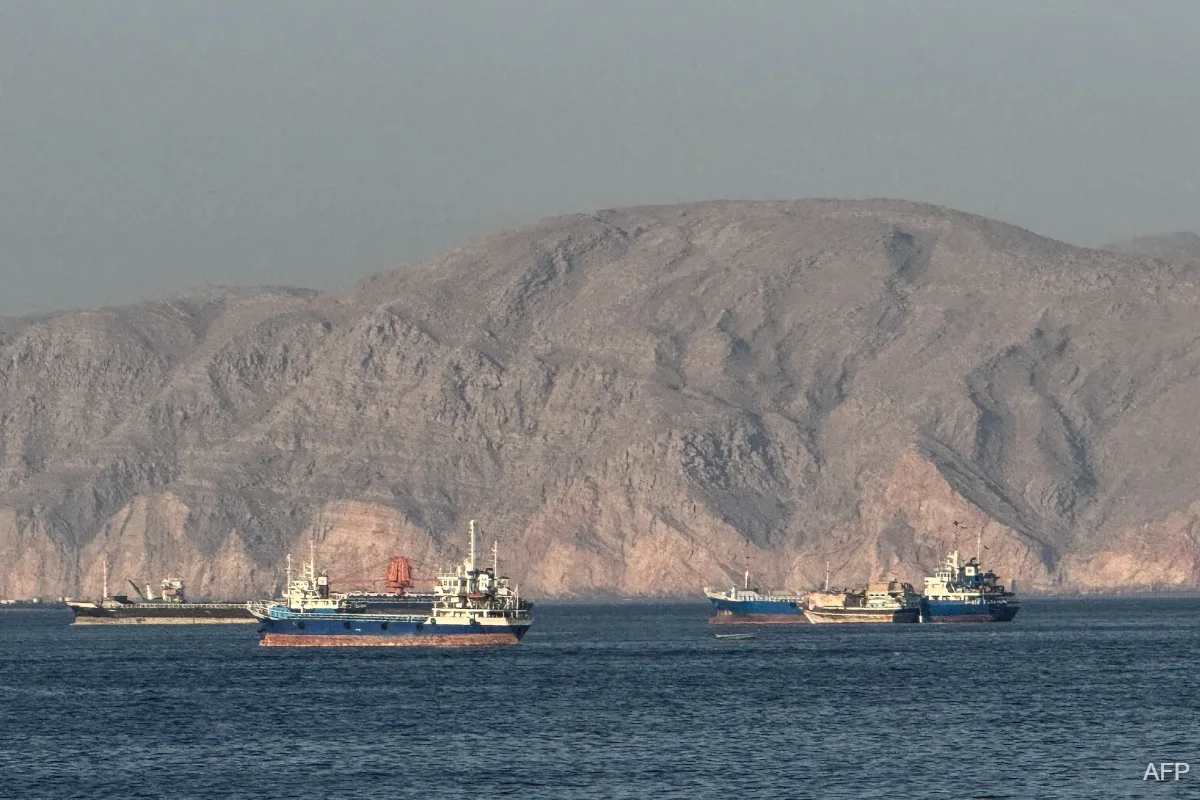
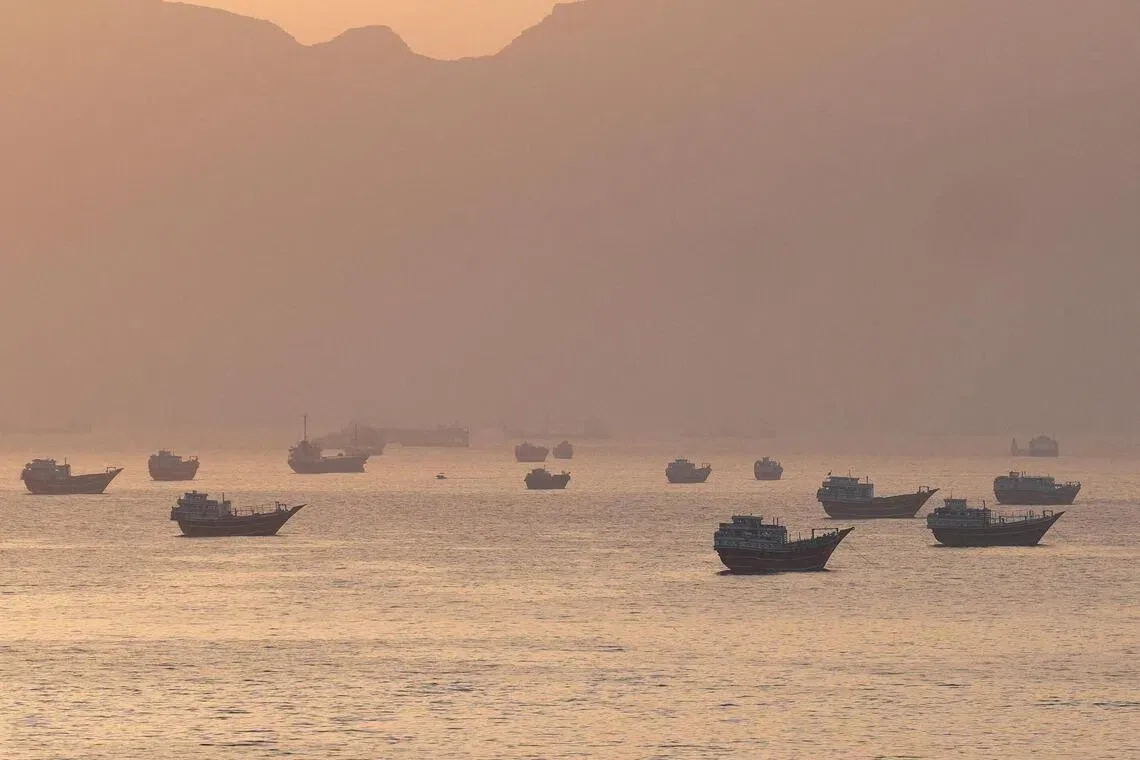
The US Treasury notice, issued on May 29, followed stalled diplomacy and increasing tensions over control of the crucial shipping route that links Persian Gulf oil exports to global markets. Vessels anchored in the Strait near Oman were observed as of May 17, reflecting disrupted navigation [2].
Washington’s sanctions and Iran’s creation of the PGSA emphasize the economic and security stakes of the maritime chokepoint. The ban affects all US persons and reflects heightened US efforts to isolate Iran amid the conflict.
The US Treasury’s updated sanctions statement and designation of the PGSA mark the latest step in economic pressure on Iran, with ongoing negotiations and regional tensions continuing to unfold.