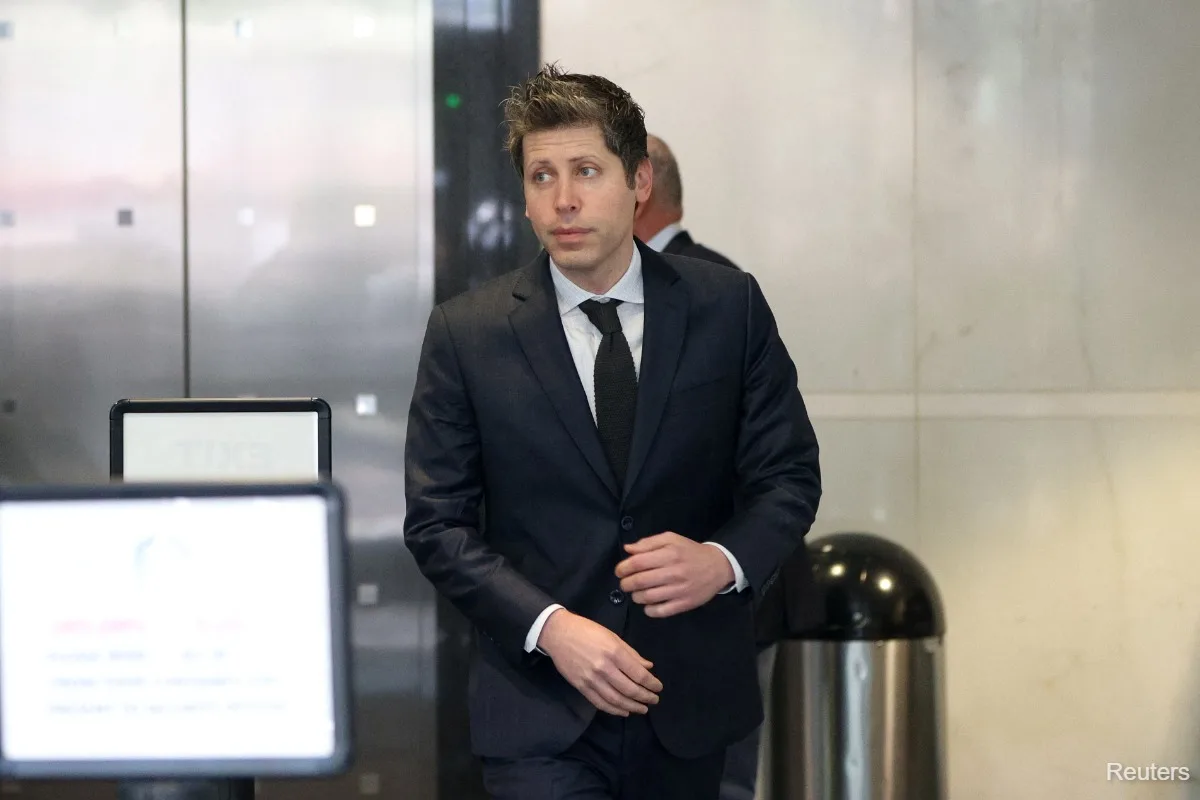
OpenAI CEO Sam Altman told a Commonwealth Bank of Australia conference in Sydney on May 26 that rapid AI adoption would not cause a global "jobs apocalypse" [1, 2, 3, 4, 5, 6, 7, 8, 9]. He said OpenAI’s initial technological predictions since launching ChatGPT in 2022 largely came true, but social and economic effects were significantly different than expected. "My scorecard, at the highest level, would be we've been roughly right on technological predictions and pretty wrong on the social and economic implications," Altman said [6].
Altman added he was "delighted to be wrong" about anticipating more elimination of entry-level white-collar jobs by now. "I thought there would have been more impact on entry-level white-collar jobs being eliminated by now than has actually happened," he said [1]. He cited a "human part" of jobs, including interpersonal communication, that AI cannot replace. Altman experimented with letting AI handle responses in Slack and emails but reverted to writing personal replies himself. "We really do care about our interactions with people and this thing ... is not something that I can imagine myself outsourcing to an AI anytime soon," he said [1].
Despite Altman's comments, some global companies have announced job cuts linked to AI. British bank Standard Chartered announced plans in May to cut thousands of administrative roles by 2030 due to AI automation [10, 6, 7]. Other firms including HSBC, Amazon, and Commonwealth Bank of Australia have also reported some jobs being replaced by AI [1, 2, 3, 4, 5, 6, 7, 8]. Nvidia CEO Jensen Huang criticized tying recent layoffs directly to AI as a "lazy" narrative, saying, "AI has just arrived. How is it possible they’re already losing jobs?" [10, 7].
OpenAI is preparing a confidential US initial public offering, potentially valued near US$1 trillion and aiming to raise at least US$60 billion, reflecting growing investor interest in AI [1, 2, 4].
Altman acknowledged he now better understands why the expected scale of AI job elimination has not occurred yet, saying, "I think I understand more about why that wasn’t done – obviously gratefully – but that is an area where my intuitions were just off" [7].
The next major development for OpenAI will be the IPO filing, as the company moves closer to a public market debut with soaring valuation expectations [1, 2, 4].