Apple announced global price increases on June 25 for most iPads, MacBooks, HomePod, Apple TV, Vision Pro, and other devices due to surging memory and storage chip costs driven by artificial intelligence infrastructure demand [1, 2, 3, 4, 5, 6]. The company raised MacBook Air 512GB prices from about $1,099 to $1,299, MacBook Pro 1TB prices from $1,699 to $1,999, and iPad Air 128GB prices from $599 to $749 [2, 3, 4, 7, 6]. The entry-level MacBook Neo price also rose from $599 to $699 within months of its launch [2, 3, 4, 7, 6]. Apple said it had shielded customers from rising component costs until now. "We have never seen a component price increase this much, this quickly," the company said, adding it must start passing some of these costs on to buyers [2].
Apple's iPhone prices were not raised in this round but hikes are expected for new iPhone models later in 2026. IDC analyst Nabila Popal said, "It was incredibly strategic for Apple to make the price hike announcements prior to the iPhone fall launch, so the headlines at launch is not the price hikes but the value the new phones bring" [2, 3, 4, 8, 7, 6]. Apple CEO Tim Cook warned in April about rising memory costs affecting profitability beyond the June quarter, noting "we expect significantly higher memory costs" [2, 3, 6].
Microsoft also announced on June 25 a third Xbox price increase within 13 months. Prices rose by $100 to $150 depending on storage capacity, citing "console storage and memory prices have increased by more than 2.5x with another doubling expected by fall 2027" [9, 10].
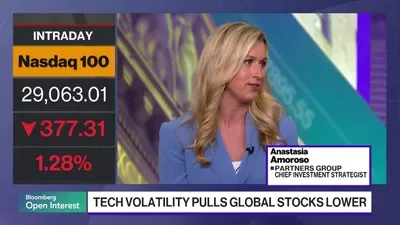
Memory chip prices, especially dynamic RAM, surged by up to 98% in the first quarter of 2026 with further increases expected due to AI infrastructure demand [2, 3, 4, 7, 6]. These rising costs have unsettled markets. Asian tech stocks including Samsung Electronics, SK Hynix, and Kioxia declined sharply after Apple's price hike announcements amid investor concerns of slowing device demand [1, 10]. Apple shares fell over 6% on June 26, wiping out about $250 billion in market value [7, 10, 5]. Saxo Markets strategist Charu Chanana said markets are now cautious, as "memory strength" no longer boosts the whole AI trade and "raises the cost of building and consuming AI" [10].
OpenAI delayed a potential initial public offering until next year, adding to tech sector volatility and impacting investors such as SoftBank [10].
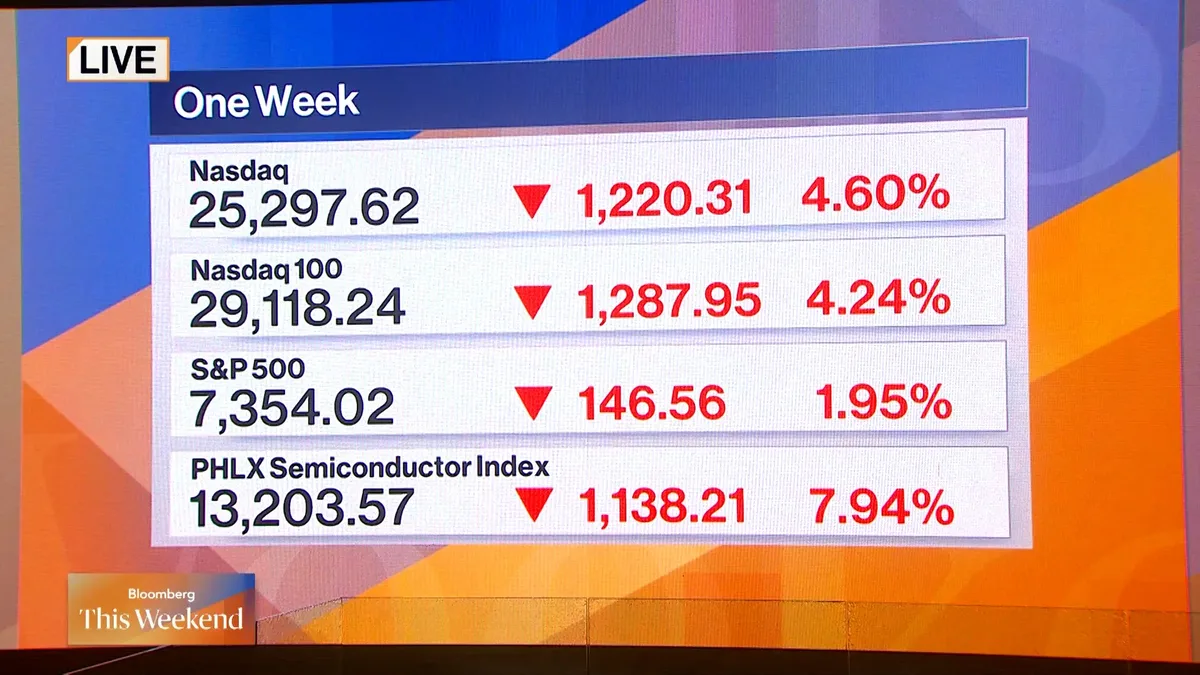
Tech stocks closed sharply lower on June 27 as rising semiconductor and memory costs spurred reassessment of AI trade sustainability [11].
Apple and Microsoft are likely to face further cost pressures given expected memory price increases by next year. The new Xbox prices take effect August 1, 2026 [9, 10].