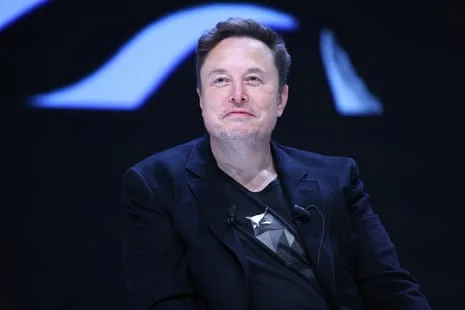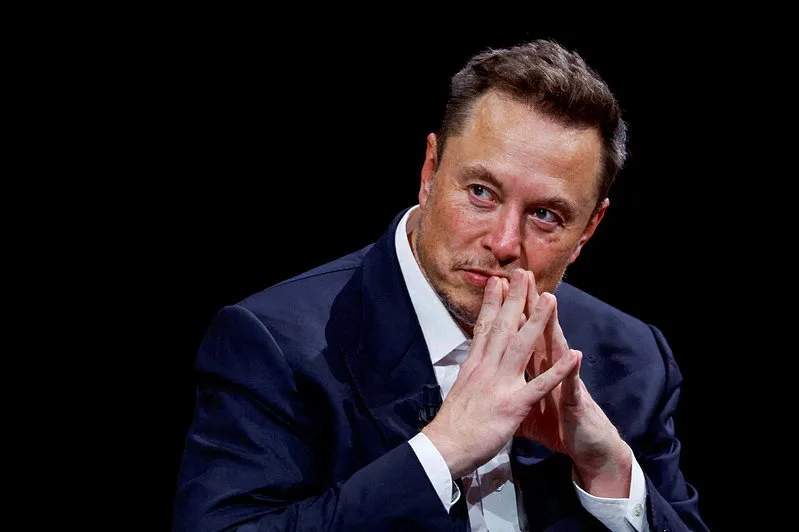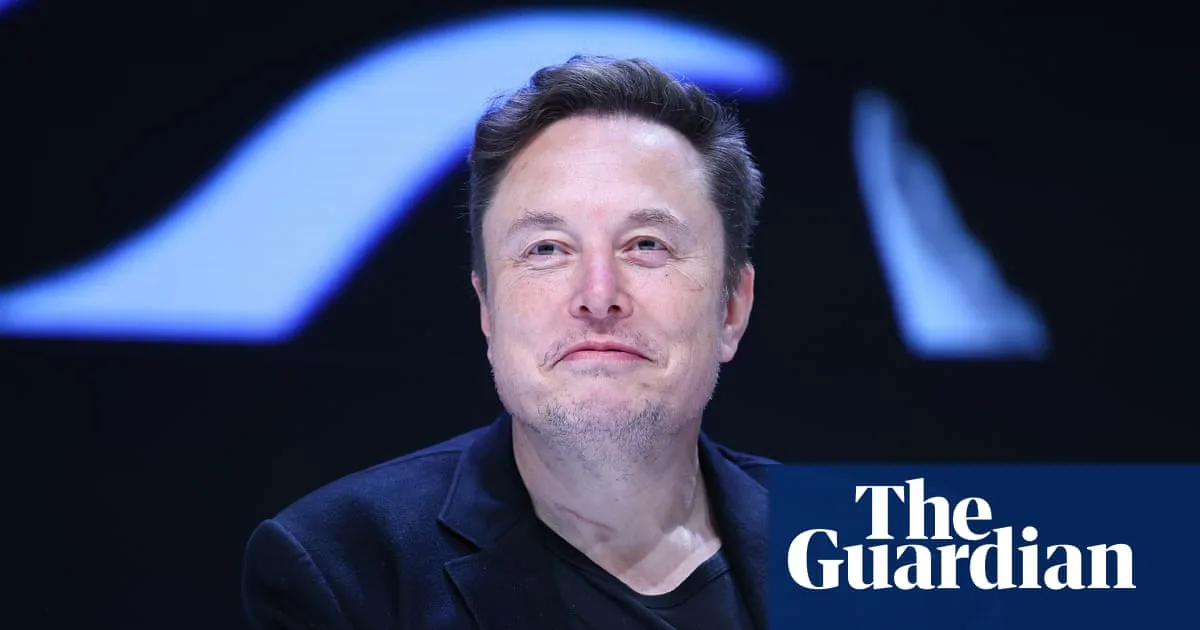
Elon Musk received total compensation of approximately $158.3 billion for 2025 at Tesla, about 2.5 million times the median Tesla worker’s pay, according to multiple reports [1, 2, 3, 4, 5]. This giant payout drove the S&P 500 CEO-to-worker pay ratio to an unprecedented 5,387 to 1 when including Musk, compared with a ratio of 312 to 1 excluding him [1, 6, 2, 3, 4, 7, 5]. Musk’s package was approved by Tesla shareholders in November 2025 and includes performance targets that could push the total up to $1 trillion if fully achieved [6, 8, 7].
Excluding Musk, the average CEO pay of S&P 500 companies rose 21% in 2025 to $22.8 million, the highest level since the 1990s [1, 6, 8, 2, 7]. Including Musk’s pay, the average soars to about $340.1 million [1, 6, 8, 2, 3, 7]. AFL-CIO Secretary-Treasurer Fred Redmond said, "Elon Musk’s pay changes the dynamic when other CEO compensation plans come up. Boards use it as a reference" [8]. Redmond also criticized political policies for rigging the economy to enrich CEOs and the wealthy, citing cuts to healthcare and food assistance in 2025 that hurt workers [1, 2, 3, 4, 5]. He called the Musk deal “political grift unlike what we have ever seen in our lifetimes” [1].
The average U.S. worker saw their salary rise about 3% in 2025 to roughly $69,770 [6, 7]. Yet workers’ share of national income fell to its lowest since World War II [1, 2, 3, 4, 5]. Financial hardship remains widespread: 33% of U.S. adults have no retirement savings, 37% cannot cover a $400 emergency expense, 26% skipped medical care due to cost, and 23% of renters fell behind on rent last year [1, 2, 3, 4, 5].
Separately, former President Donald Trump earned $2.2 billion in 2025, mainly from cryptocurrency holdings—a 254% increase over 2024 [1, 2, 3, 4, 5]. The median U.S. worker would need about 43,154 years to match Trump’s 2025 income [1, 2, 3, 4, 5]. A White House spokesperson said Trump’s assets are managed by independent third parties and there is no conflict of interest [1, 3, 4, 5].
Tesla did not respond immediately to requests for comment on the AFL-CIO’s compensation report [1, 3]. Some large CEO pay packages with one-time awards, such as Goldman Sachs CEO David Solomon’s $118.9 million in 2025, have faced less shareholder support compared to regular pay plans [6, 7].