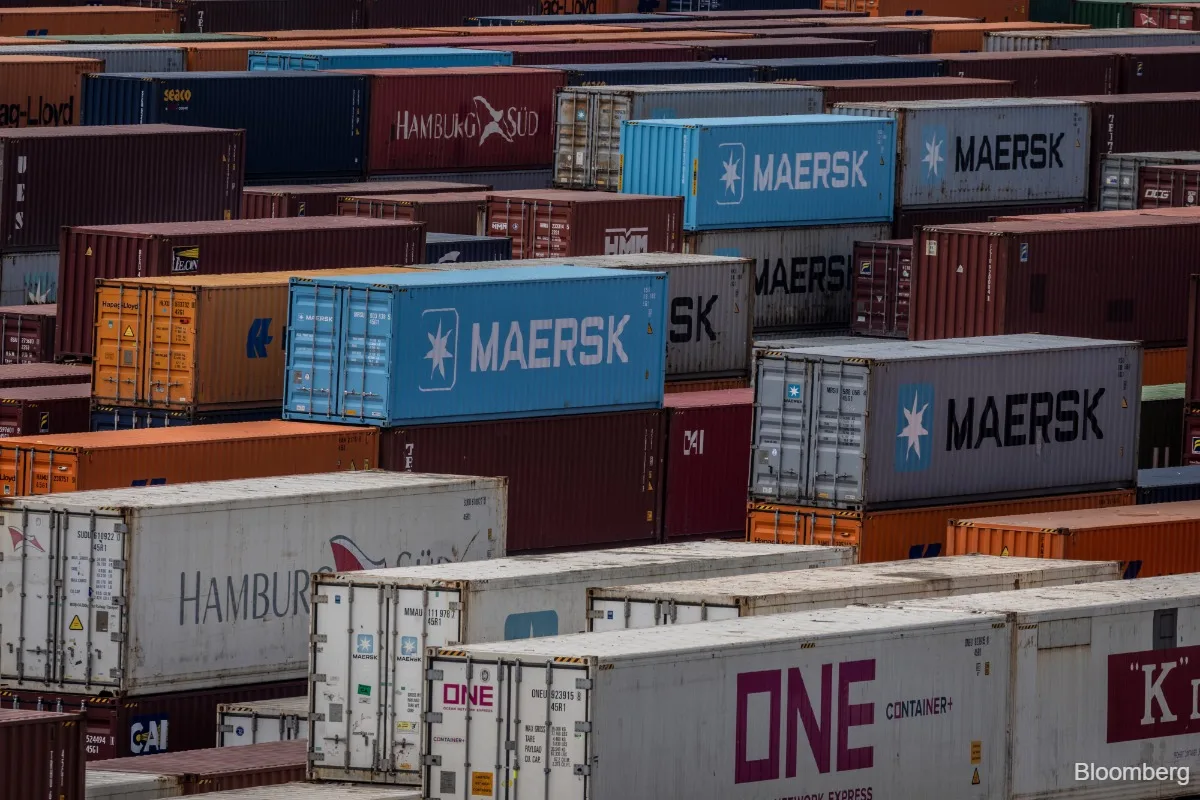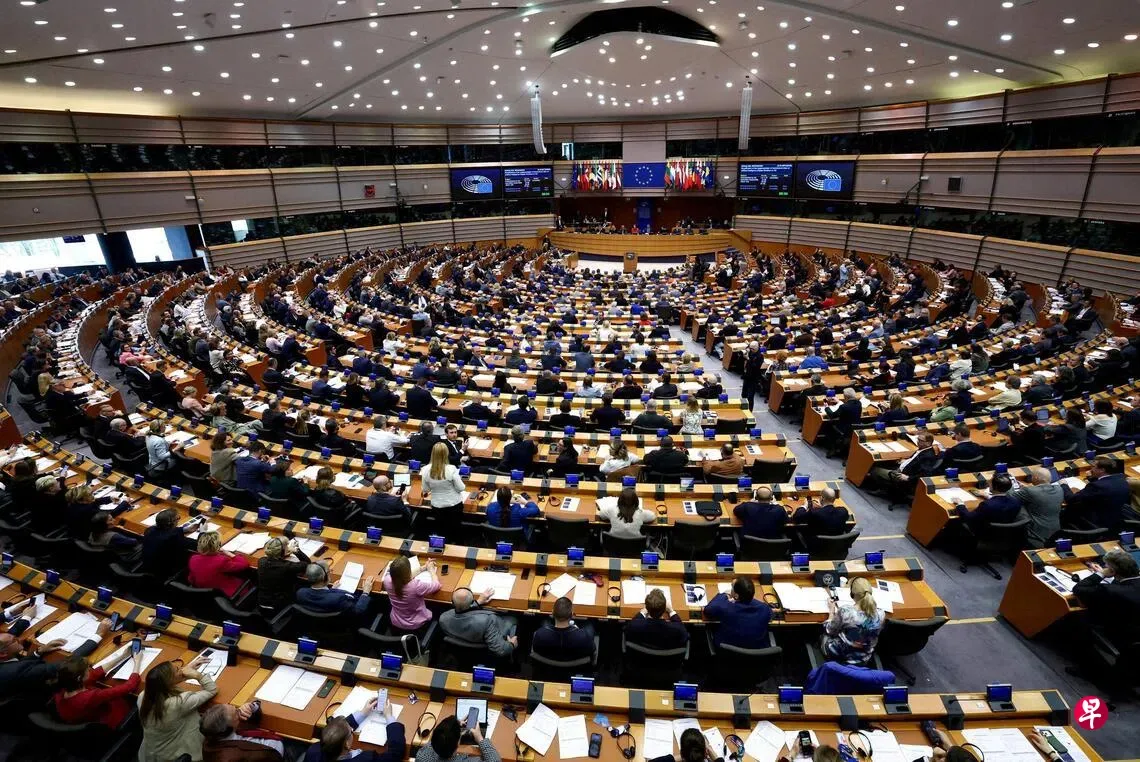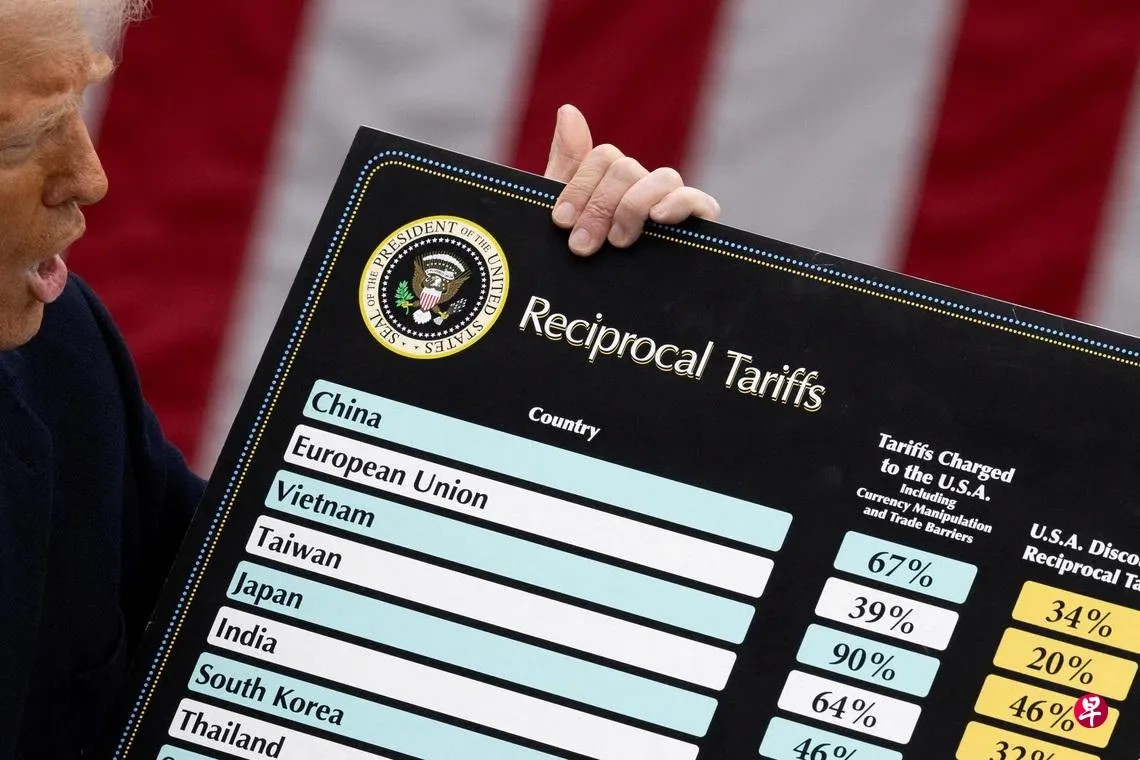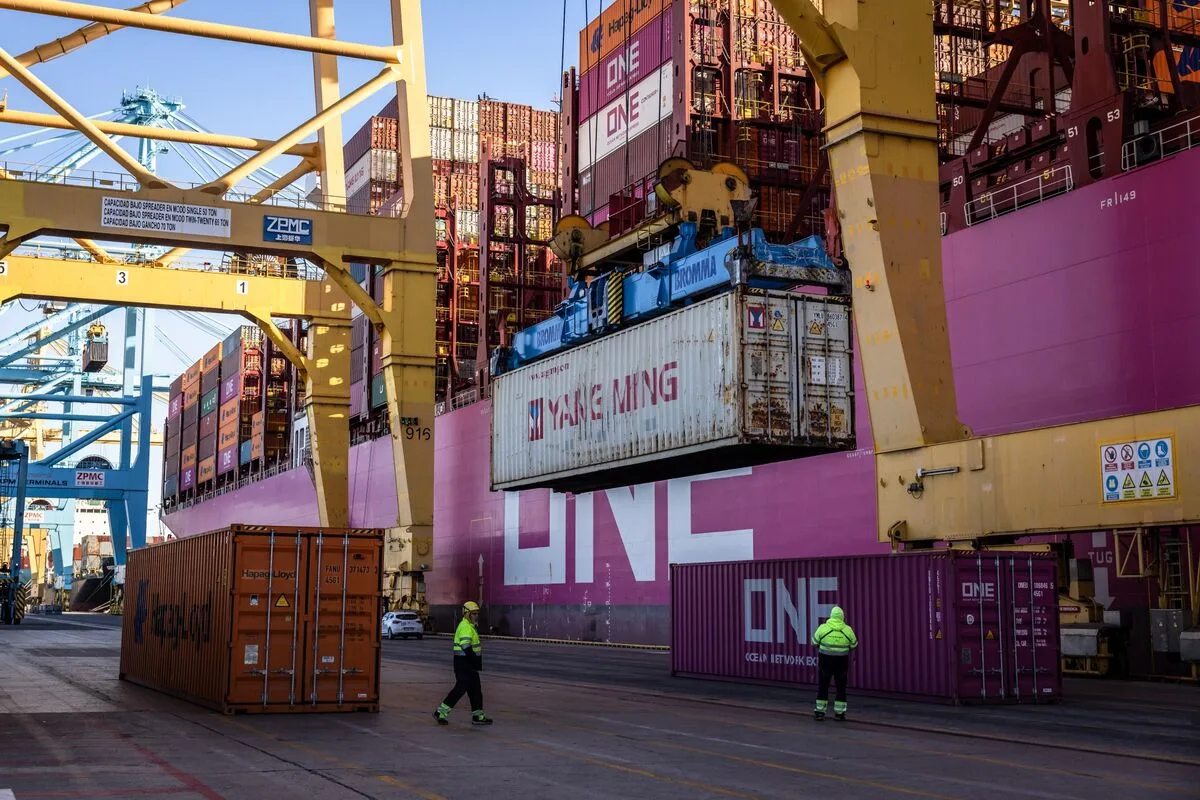
The European Union approved the legislative text to implement its trade deal with the United States in the early hours of May 20, 2026, after intense negotiations involving EU lawmakers and member states [1, 2, 3, 4, 5]. The deal aims to prevent threatened U.S. tariff increases, including raising auto tariffs on EU goods from 15% to 25% [6, 7, 8, 3, 4, 5, 9].
Originally signed in July 2025, the trade agreement capped tariffs on most European goods at 15% while requiring the EU to remove tariffs on most U.S. industrial imports [6, 7, 8, 2, 3, 4, 5]. The relationship between the two partners is valued between €1.6 trillion and €1.8 trillion, making the U.S. the EU's largest trading partner [7, 3, 4].
EU Parliament had delayed ratification over issues including a sunset clause for automatic expiration and a suspension clause to protect EU interests if the U.S. fails to meet commitments [6, 7, 8, 3, 4, 5]. The final text includes a suspension mechanism allowing the EU Commission to temporarily withdraw tariff preferences if necessary [3, 4, 5]. The deal carries a provisional expiration date either in March 2028 or December 2029, depending on the interpretation of the sunset clause, with possible extensions by mutual consent [6, 8, 4, 5].
The EU agreed to proceed despite the U.S. maintaining steel and aluminum tariffs above 15%, granting the U.S. until the end of 2026 to lower those tariffs [4, 5].
European People's Party, the largest bloc in the EU Parliament and the party of Commission President Ursula von der Leyen, played a key role pushing the deal’s implementation [8, 2, 4]. Von der Leyen said, "This means we will soon deliver on our part. Together, we can ensure stable, predictable, balanced, and mutually beneficial transatlantic trade" [3].
EU Commission trade chief Maroš Šefčovič highlighted the collective effort, saying, "After more than five hours of intensive negotiations … the EU has shown that we are a reliable trading partner, while standing firm in defending the interests of European stakeholders" [4].
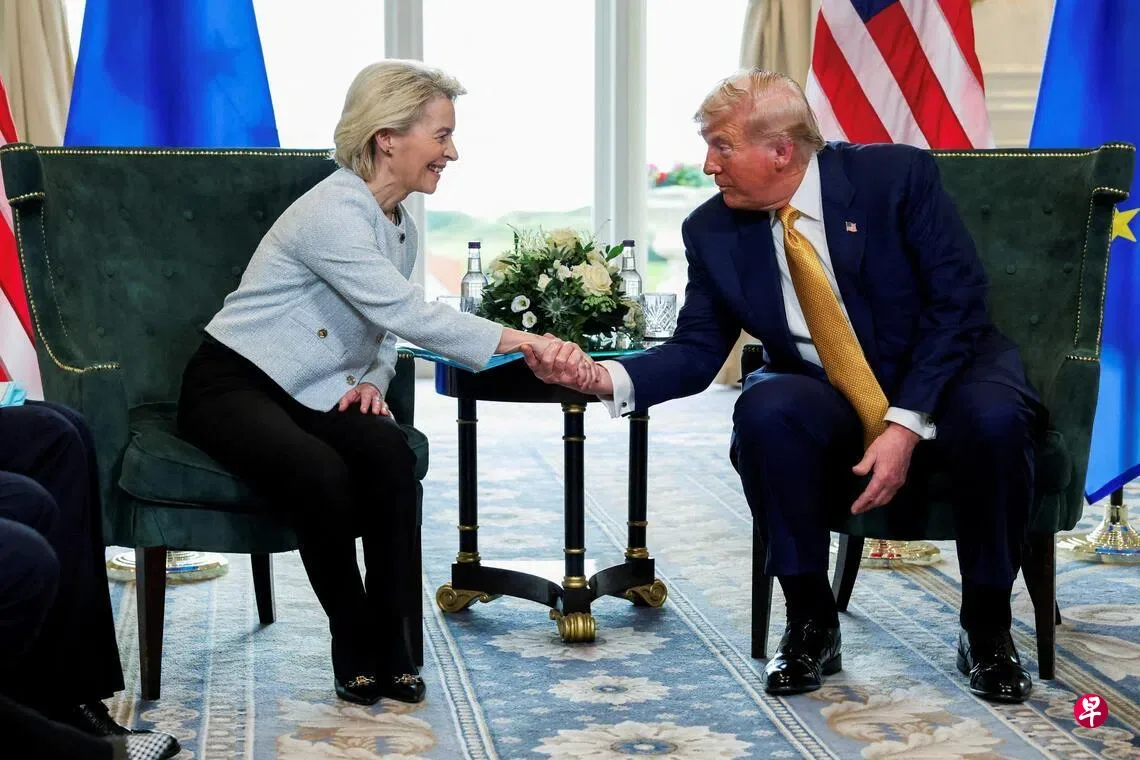
U.S. officials urged the EU to honor the agreement reached at Turnberry, Scotland, between President Trump and von der Leyen, with the U.S. mission stating, "A deal is a deal" [7]. European Parliament trade negotiator Zeljana Zovko added, "I am proud to announce that Europe has avoided a vicious escalation of transatlantic tensions and protected European companies, investments and millions of jobs on both sides of the Atlantic" [2].
EU Parliament’s trade committee chairman Bernd Lange said he hopes for compromise including new proposals, signaling ongoing negotiations before a plenary vote [7, 10, 4]. Cyprus Commerce Minister Michael Damianos said, "Maintaining a stable, predictable and balanced transatlantic partnership is in both our interests. Today, the EU has delivered on its commitment" [2].
EU lawmakers plan a final vote on the trade deal text in mid-June 2026 in the European Parliament plenary session [2, 5]. The implementation must be completed before the July 4, 2026, deadline set by President Trump to avoid U.S. tariff increases on European auto imports [6, 7, 8, 3, 4, 9].