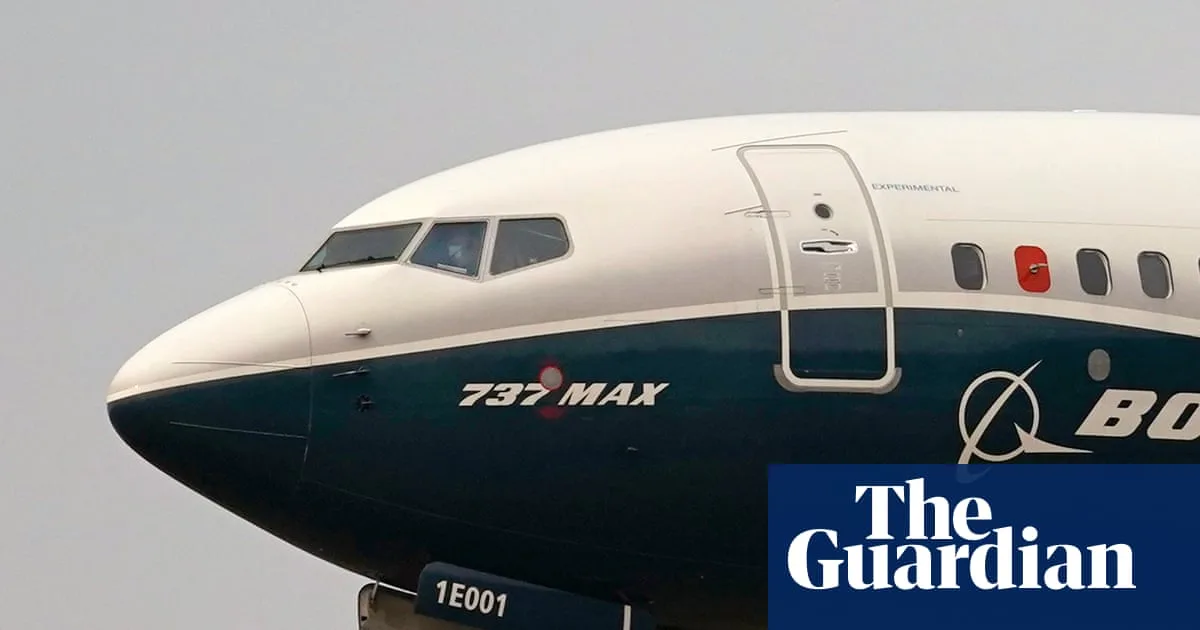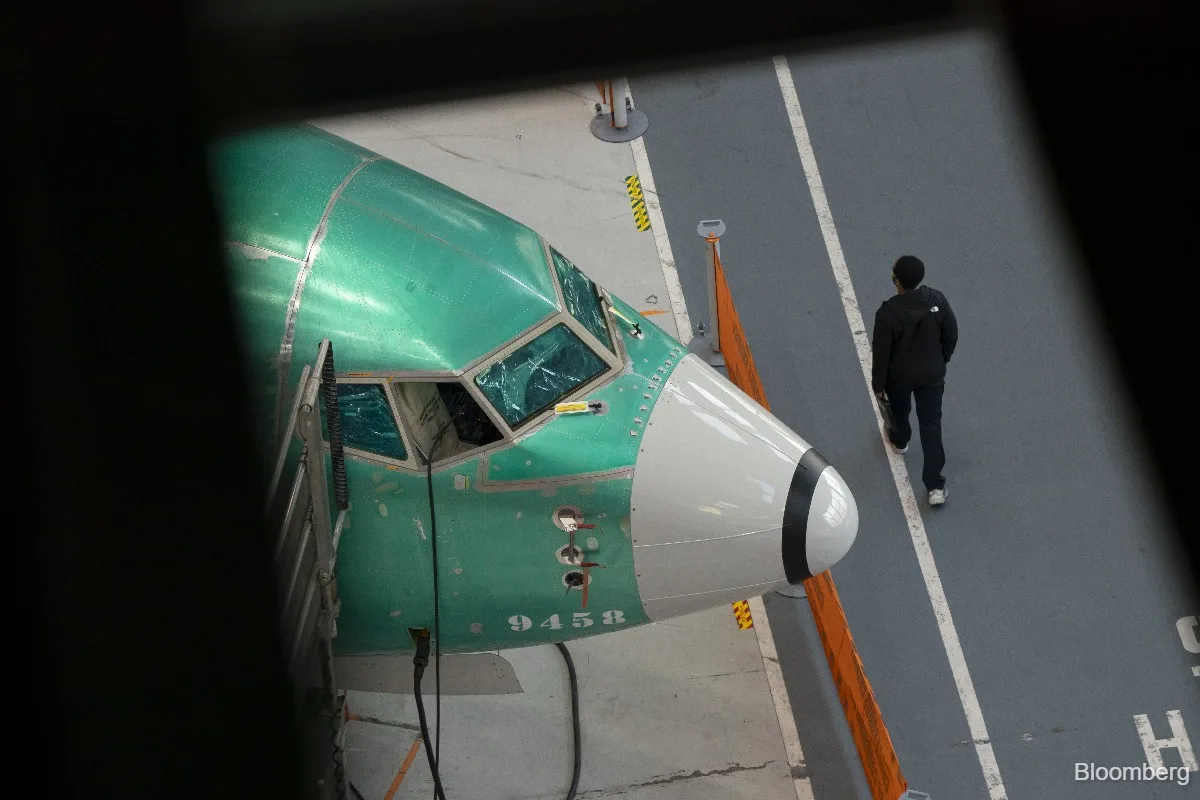
The US Federal Aviation Administration (FAA) issued an airworthiness directive on August 6-7, 2026, requiring operators of 471 Boeing 737 Max aircraft in the US to inspect for cracks in a structural component known as the "bear strap" around the front door frames [1, 2, 3, 4]. The directive covers in-service 737 Max models 8, 9, and 8200 variants [1, 3, 4].
The inspections must begin starting September 10, 2026 [1, 3, 4]. While no cracks have yet been found on the 737 Max fleet, the FAA and Boeing determined the design similarity to older 737 Next Generation planes makes the Max models susceptible to developing cracks [2, 3]. The cracks are a concern in a reinforced structural layer near the front right service door, adjacent to the galley area [3, 4].
The FAA warned the cracks could reduce the ability of the aircraft’s structure to sustain limit loads and adversely affect overall structural integrity. "The cracks could lead to the inability of a principal structural element to sustain limit loads and adversely affect the structural integrity of the airplane," the FAA said [1, 2, 3, 4].
Boeing has worked with operators since 2019 when it first identified similar crack issues in 737 Next Generation models and announced in 2024 the extension of inspections to the 737 Max fleet due to the shared design elements [2, 3]. A Boeing spokesperson said, "The FAA Airworthiness Directive published today mandates the inspections, as it did for the 737 Next Generation. We support both directives and continue to support our airline customers" [1].
Southwest Airlines, a major US 737 Max operator, said it is reviewing the FAA directive and plans to comply with its inspection timelines [3].
Globally, 1,429 737 Max aircraft are affected by these concerns, with 471 based in the US [1, 3, 4]. The FAA's directive focuses on safety by ensuring inspections start promptly on September 10 to detect any potential cracks early.
The directive is a continuation of ongoing scrutiny since 2019 when Boeing first alerted airlines to crack risks on the earlier 737 Next Generation models, followed by a 2021 FAA mandate for those models [1, 2, 3].