On July 17, 2026, the Federal Aviation Administration announced it will allow Boeing to resume issuing airworthiness certificates for all 737 MAX and 787 airplanes beginning next week [1, 2, 3].
Boeing’s authority to certify individual 737 MAX aircraft was revoked by the FAA in 2019 following two fatal crashes of the model that killed 346 passengers in 2018 and 2019 [1, 2, 3]. The FAA also suspended Boeing’s independent certification rights for the 787 airplane in 2022 due to production quality problems identified during inspections [1, 2].
Since September 2025, the FAA and Boeing had been alternating responsibility weekly for issuing certificates for both the 737 MAX and 787 models, with each party overseeing production one week and the other the next [1, 2, 3]. Over the past eight months, the FAA observed that production quality remained comparable whether Boeing or the FAA issued certificates [1, 3].
FAA Administrator Bryan Bedford said safety remains the highest priority, emphasizing that the FAA will continue rigorous oversight of Boeing’s production processes. Bedford explained the decision was made because "we are confident we can ensure safety" and that the agency intends to focus on "identifying potential risks going forward" [2]. He added the move aims "not to soften our regulatory compliance requirements at Boeing but to be more collaborative in the decision-making process" [1].
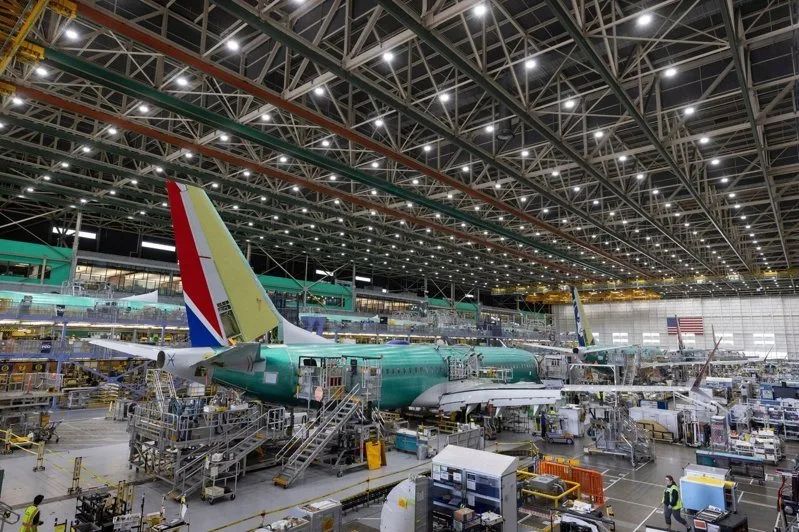
The restored certification authority supports Boeing’s plan to increase its 737 MAX monthly production rate from 42 to 47 aircraft, a cap recently approved by the FAA [1]. Boeing expects to certify the 737 MAX 7 variant this summer and the MAX 10 by the end of the year, although delays persist in certifying the 777X wide-body jet [1].
The FAA’s restoration of certification authority marks a significant step in Boeing’s efforts to recover full control over its production lines more than seven years after the initial 737 MAX grounding. Boeing’s next key milestones include completing certification of the MAX 7 this summer and the MAX 10 variant by year-end [1].