Kevin Warsh delivered his first major speech as Federal Reserve chair at the Jackson Hole symposium on August 28, 2026, emphasizing the Fed's commitment to returning inflation to the 2% PCE target [1, 2, 3]. He warned that persistent elevated inflation might require further rate hikes, though he stopped short of specifying timing or magnitude, stating the Fed would have "more work to do" without confidence inflation is moving clearly to target [2, 3]. Warsh said, "We can be held accountable for delivering on our remit — the only true test of our credibility" [3].
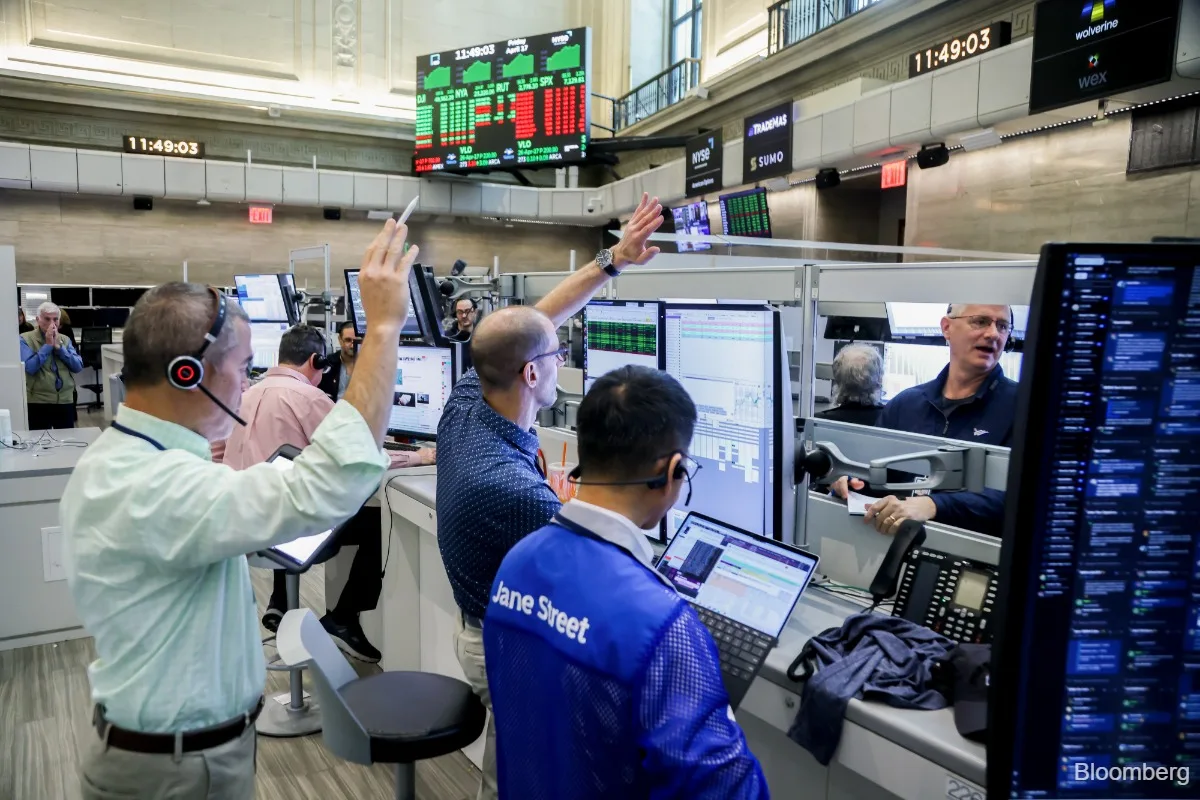
At the latest Fed meeting, policymakers held the federal funds rate steady at 3.5% to 3.75%, with futures markets pricing about a 74% chance of at least one quarter-point hike by year-end [1, 4, 5, 6]. Ahead of Warsh's remarks, US Treasury yields rose by 2-3 basis points, pushing the 30-year yield above 5.3%, its highest since June 2007 [1, 7, 4]. Market participants had broadly expected a hawkish tone but little explicit guidance from Warsh, reflecting his preference for a data-driven, hands-off approach to market signals [1, 8, 2, 9, 3]. Economist Torsten Slok noted the risk of "much higher move in long rates" without clear forward guidance [1].
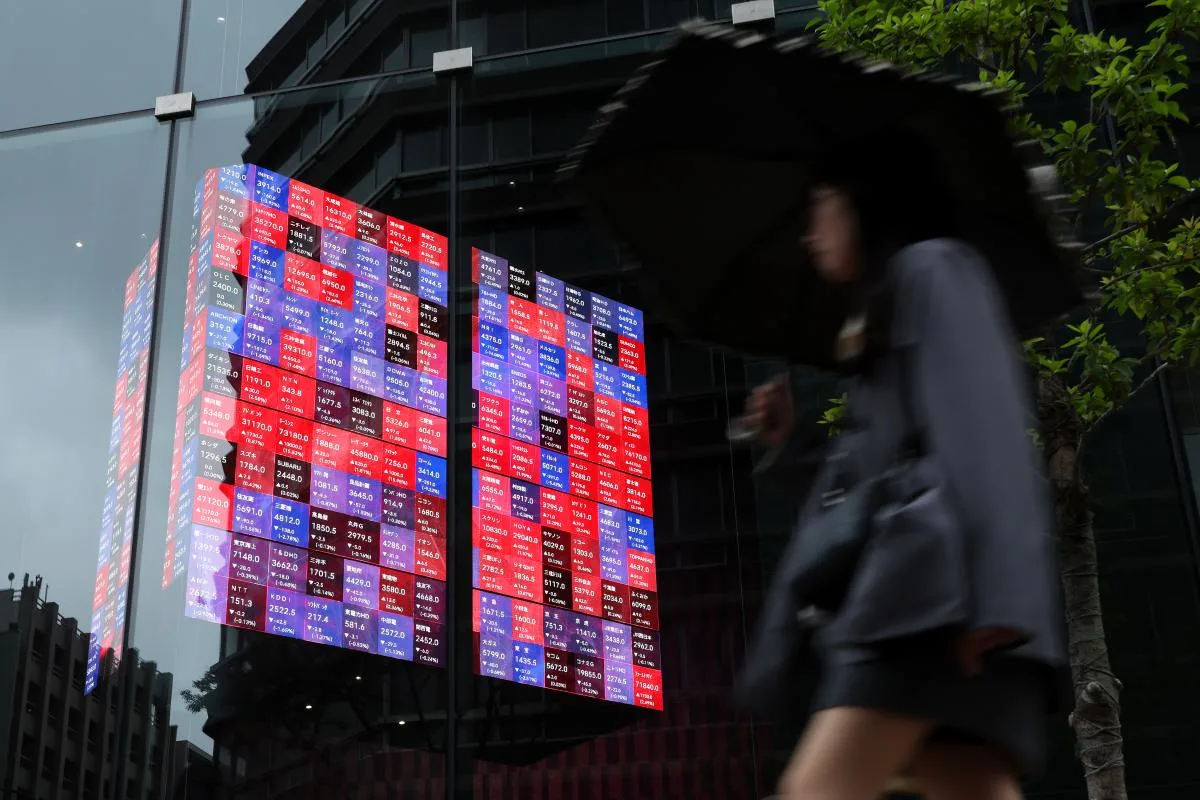
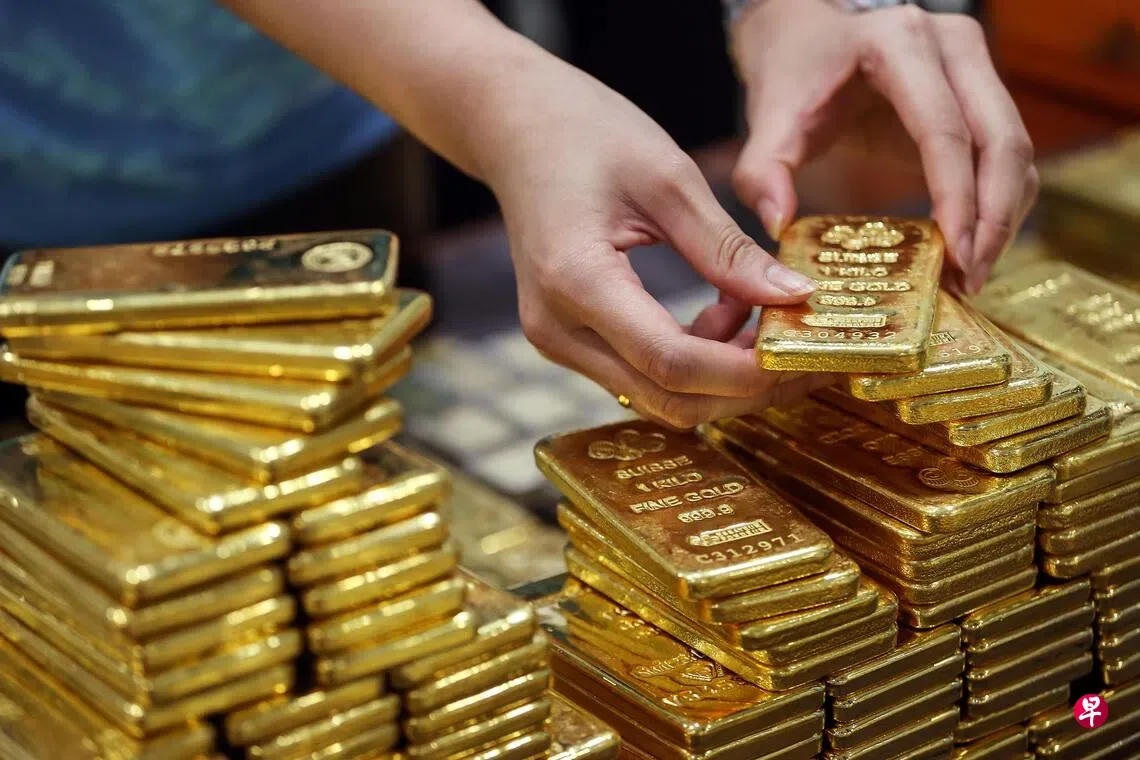
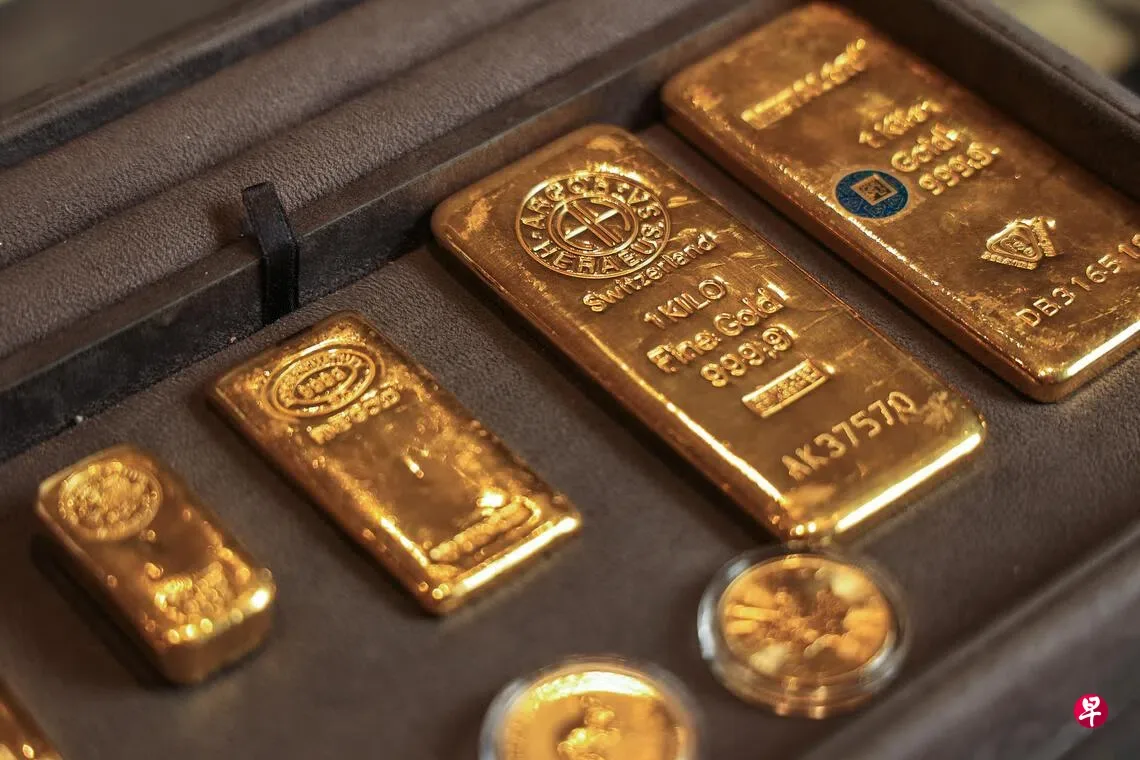
The speech came amid mixed market responses. Nvidia shares surged nearly 9% on August 27 after a strong earnings forecast but pulled back slightly on August 28 after Warsh spoke [1, 8, 2]. Gold prices retreated from recent three-month highs, falling slightly before and after the speech amid hawkish signals [5, 10, 6]. Asian markets showed mixed moves August 28: Singapore’s Straits Times Index rose 0.28%, while South Korea’s Kospi declined 1.3% [8, 11, 4]. US economic data showed jobless claims fell for a second week and wholesale inventories rose, but the merchandise trade deficit widened to its largest since early 2025 [1, 4].
Warsh’s strategy highlights interpretation of incoming data over explicit forward guidance, attracting mixed investor views on market clarity [9, 3]. Economists expected a broad overview of Fed policy frameworks rather than detailed policy expectations from the speech [9].
The Fed will next meet in September, amid market pricing of roughly a 34% chance of a rate hike then, as inflation at 3.7% in July continues above the target [5, 3]. Investors will watch these developments closely for more signals on the Fed’s path.