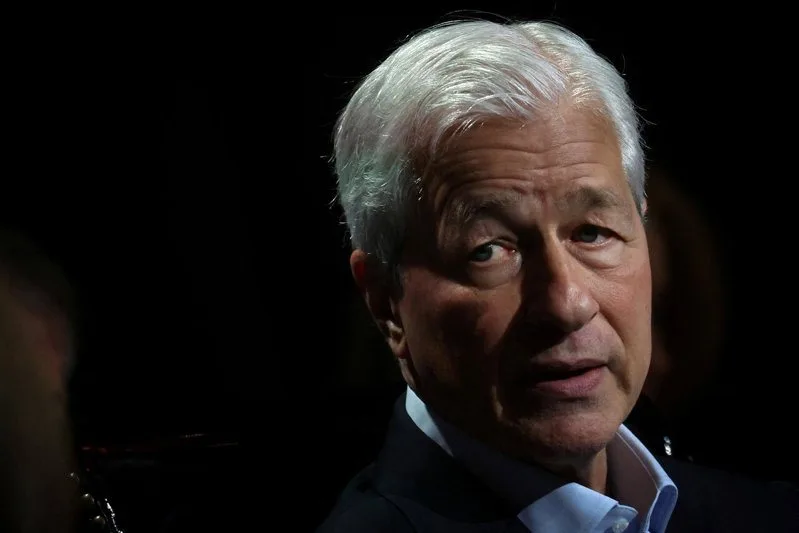
JPMorgan Chase CEO Jamie Dimon warned on May 21 that interest rates may increase substantially from current levels, signaling rising risks for bond markets [1, 2, 3, 4, 5, 6]. Dimon said the global savings dynamic has shifted from a "savings glut" to a "savings shortage," placing upward pressure on rates. He stated, "They could be much higher than they are today. We may have gone from a saving glut to not enough savings" [1, 3].
Recent US Treasury bond yields have surged, with the 30-year Treasury yield reaching about 5.2%, the highest since the 2008 financial crisis [5]. On May 19, that yield touched 5.197%, near levels unseen since 2007-2008 [5]. Despite a brief stock market rebound on May 20 and a 10-year Treasury yield drop to 4.58% after Federal Reserve minutes indicated no immediate rate hike, concerns remain over inflation and fiscal risks [5, 6].
The Fed meeting minutes showed most officials consider further rate hikes possible if inflation stays above the 2% target [3, 4, 6]. Dimon added that inflation and saving behavior create uncertainty about when markets will panic or bondholders will shun long-duration bonds but said "that day will come" [3].
Other factors driving bond market pressure include rising oil prices, significant fiscal deficits in the US, UK, and Japan, and rapid economic growth fueled by artificial intelligence [3, 4, 5, 6]. The US government carries roughly $30 trillion in debt with an average interest rate near 3.5%, posing challenges for refinancing at lower rates. About $2 trillion of US government debt is due for refinancing this year, adding upward pressure on interest costs [6].
Investors now demand higher risk and liquidity premiums on long-dated bonds amid these inflation, fiscal, and geopolitical risks [3, 4, 6]. Credit spreads may widen further due to rising risk-free rates and refinancing costs, hurting companies with high leverage [6]. The overall bond market risk extends beyond government debt to credit markets facing dual challenges from rate increases and costly refinancing [6]. Market pricing has pivoted from expectations of rate cuts toward higher inflation and rate risks [6].
Dimon's warnings align with remarks by other strategists. William Marshall of Goldman Sachs said, "Even though the US 30-year Treasury yield has broken above 5%, long-dated US Treasuries are still not cheap enough to support a sustained rebound" [3]. Gregory Peters of PGIM Credit noted the global repricing has created value especially for medium to long duration bonds but sees limited near-term support and remains cautious [3].
Investors will be closely watching upcoming US debt auctions to gauge demand for refinancing the $2 trillion in maturities due this year, which will influence future rate moves [6]. The Fed’s inflation target and data releases in the weeks ahead will also shape monetary policy decisions.