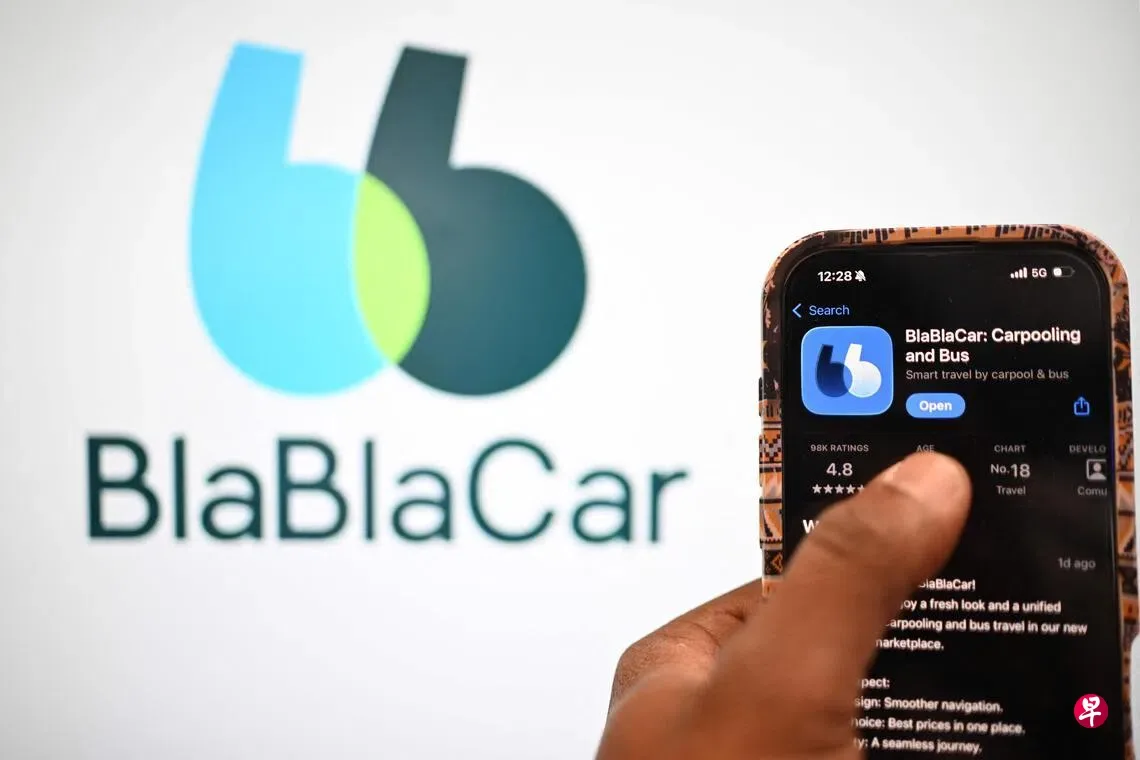
The Middle East war starting on February 28, 2026, triggered sharp increases in fuel prices that have boosted carpooling in India by 40% since US-Israeli airstrikes began that day [1, 2, 3]. BlaBlaCar, the world’s largest carpooling platform, reported 600,000 new drivers joined globally in 2026, 20% more than expected, with India as its largest market by users [1, 2, 3].
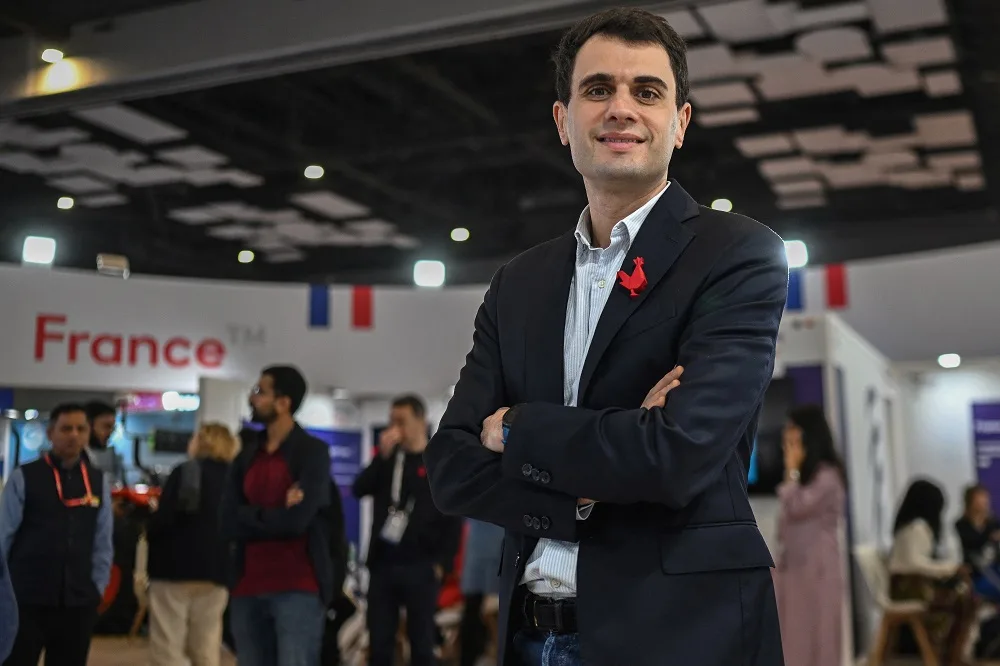
In 2025, BlaBlaCar had over 20 million users in India, where growth accelerated after the Covid-19 pandemic due to economic and digital development, urbanization adding 200 million city residents over a decade, rising car ownership, and word of mouth [1, 2, 3]. BlaBlaCar’s product director Benjamin Retourne noted, "People are very connected. Today, wherever you go, there is 5G. That proved to be the recipe for carpooling to take off" [3]. He added that comfort, not price, is the main reason people choose carpooling in India [2, 4, 3].
BlaBlaCar was founded in France in 2006 and initially stopped investing in India due to slow growth. Retourne said, "十年前平台刚在印度推出时,即使‘过了两三年,依然未能流行起来’" highlighting how recent digital and economic shifts have changed the market [1]. The app charges about a 20% commission in most of its 21 operating countries but is not yet profitable in India due to direct peer-to-peer payments and widespread use of mobile payments like UPI [2, 4].
Rising fuel costs are also linked to limited government subsidies in some countries like France, pushing more commuters in India toward carpooling [1, 2, 3]. Indian Prime Minister Narendra Modi urged citizens in early May 2026 to increase carpooling and public transport use to save fuel amid the crisis [2, 4, 3]. India imports roughly half its crude oil via the Strait of Hormuz, effectively closed by Iran after retaliation to the airstrikes [2, 4, 3].
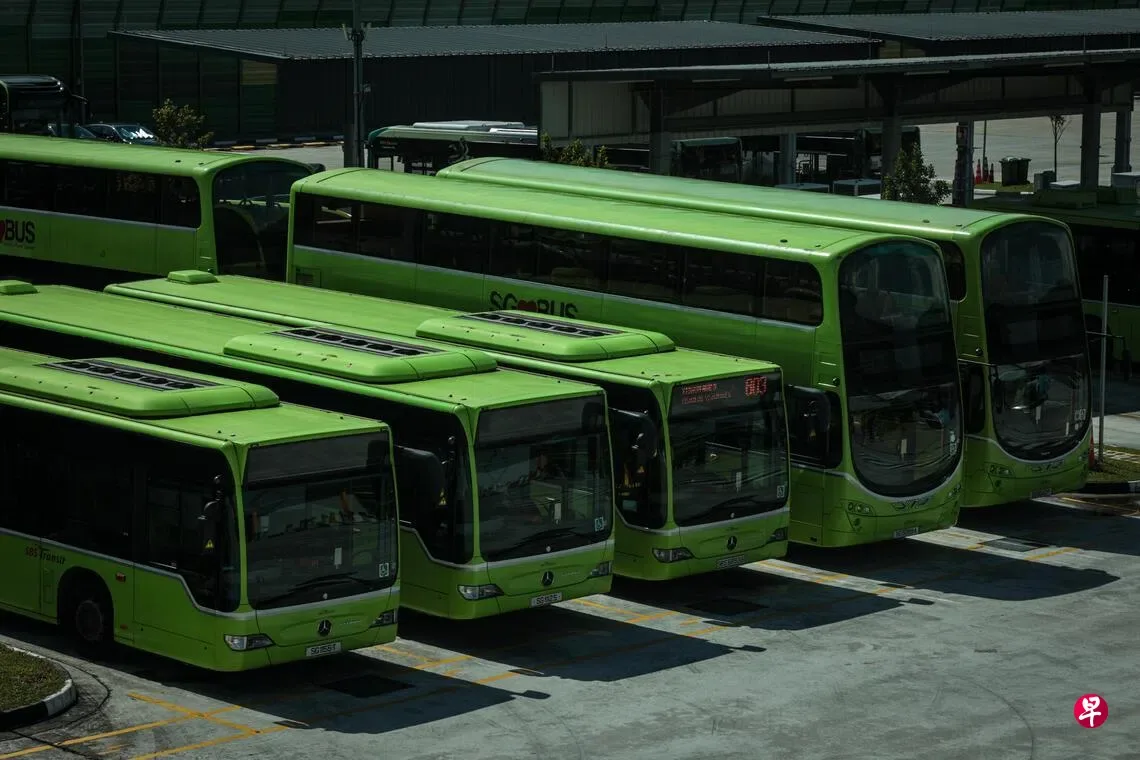
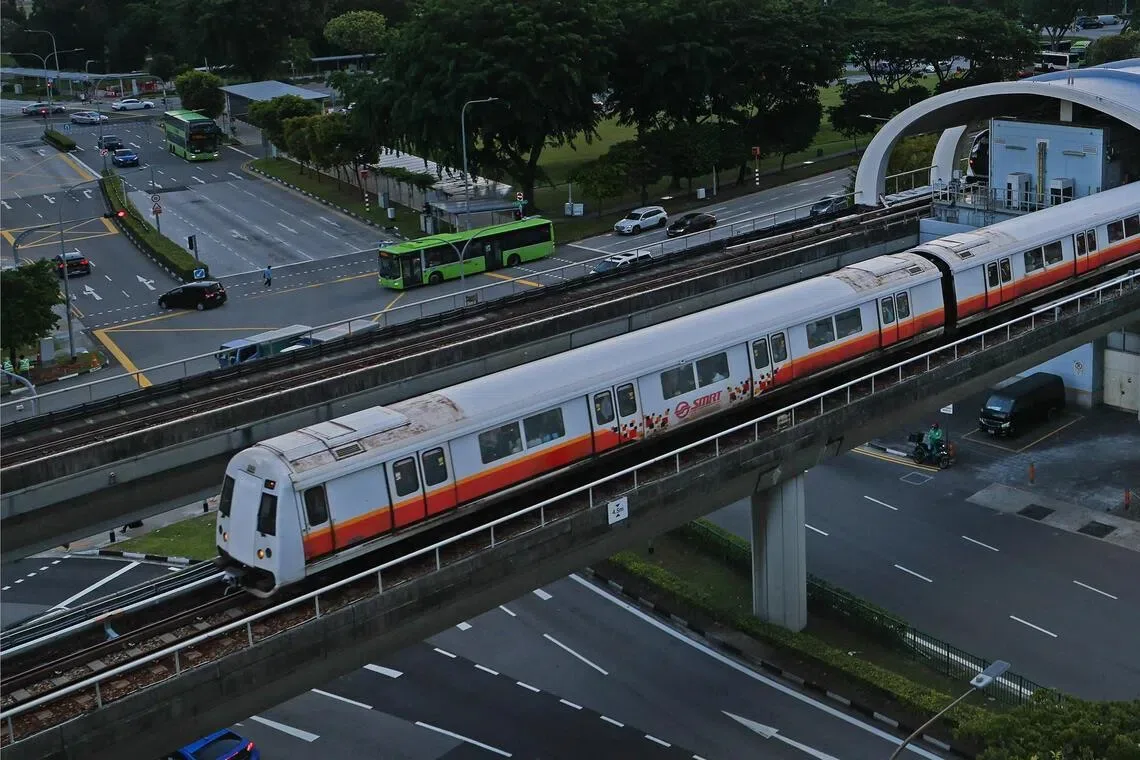
Meanwhile, Singapore bus operators faced an 80% increase in fuel and electricity costs between March and April 2026, compared to February [5]. The Land Transport Authority (LTA) will assess if extra support is needed for operators to maintain services amid these cost surges [5]. SMRT said, "我们正密切关注事态发展,并审慎管控成本。与此同时,我们在各个车厂、车站以及巴士和地铁网络采取节能举措,增强韧性," emphasizing energy-saving efforts and resilience [5]. Associate Professor Walter Theseira from Singapore University of Social Sciences said fare adjustment caps are expected to rise substantially but many increases will likely be delayed, meaning the government may need to provide more subsidies [5].
BlaBlaCar plans to build a multimodal platform connecting cars with buses and trains to expand transport options [1, 2, 4]. The company faces a challenge to become profitable in India despite rapid user growth.
The next key step is how governments and transport operators respond in the coming months to sustained fuel prices and conflict-driven energy disruptions to maintain affordable and reliable transit.