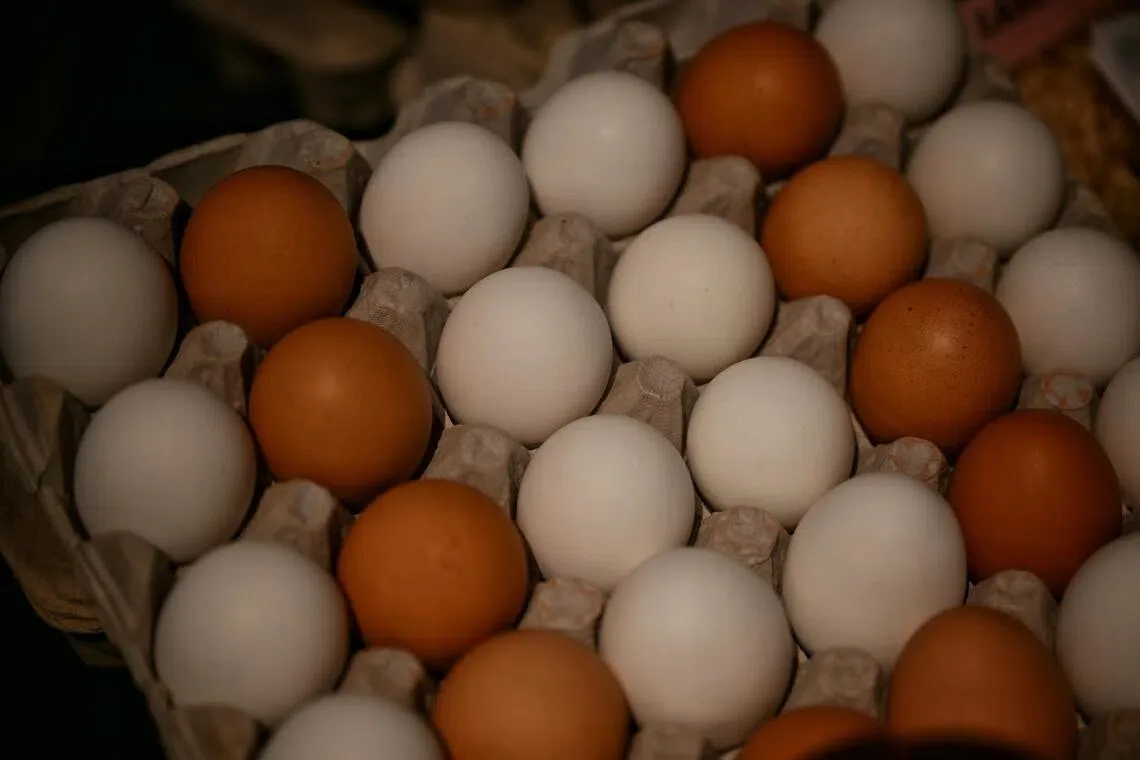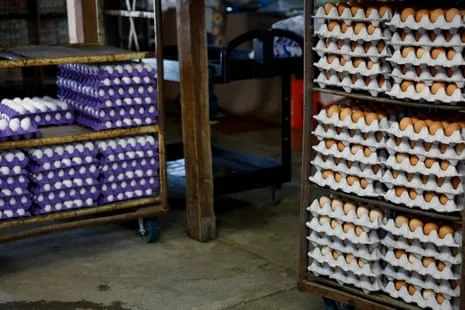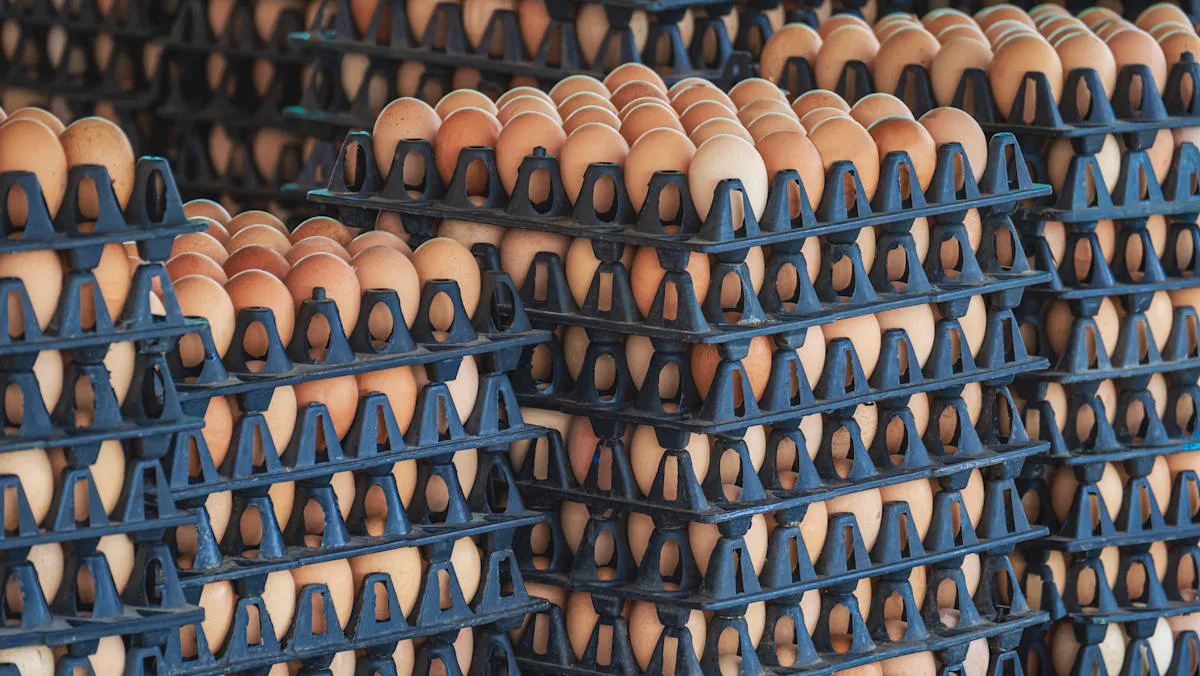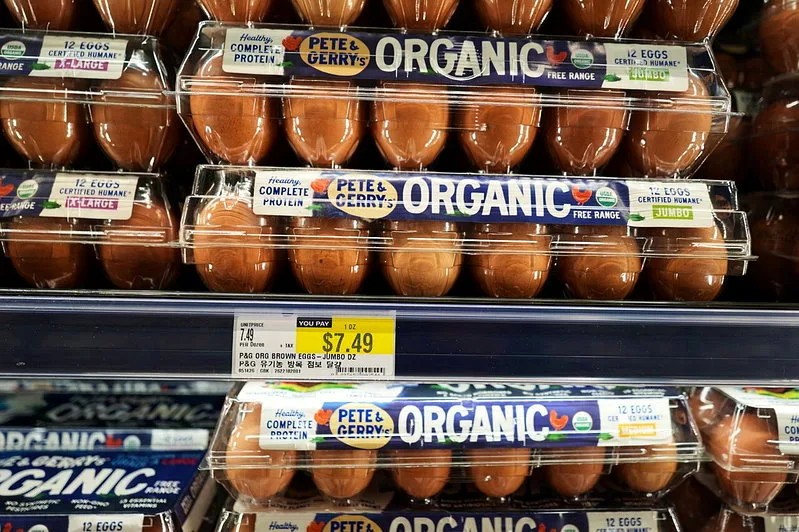
Midwest Poultry Services recalled approximately 19 million eggs after detecting potential contamination with Salmonella Enteritidis, the company announced on July 22, 2026 [1, 2, 3]. The recall covers about 1,589,577 dozen eggs, including both white shell and brown cage-free eggs sold under various brand names [1, 4].
The eggs were produced in Texas between June 6 and July 3, 2026, and carry sell-by or best-by dates from July 20 to August 17, 2026 [1, 5, 3]. These products were distributed to retailers and consumers across Texas, Oklahoma, Arkansas, Louisiana, New Mexico, and Mississippi [1, 4].
On August 12, the U.S. Food and Drug Administration (FDA) upgraded the recall to Class 1, the most serious category, indicating a reasonable probability that exposure to these eggs could cause severe health effects or death [1]. The FDA described a Class 1 recall as "a situation in which there is a reasonable probability that the use of or exposure to a violative product will cause serious adverse health consequences or death" [1].
Salmonella Enteritidis infection can lead to serious and sometimes fatal illness, especially in young children, the elderly, and immunocompromised individuals [1, 5]. According to the Centers for Disease Control and Prevention (CDC), at least 98 people across 17 states have been infected with salmonella linked to the recalled eggs as of July 24, 2026; 26 of those cases required hospitalization with no deaths reported [6, 5, 4].
Midwest Poultry Services said it discovered the contamination through "proactive environmental monitoring practices and a robust internal investigation" at two Texas farm sites, and began testing to identify salmonella sources [1]. The company urged consumers not to eat the recalled eggs and to discard or return them for a full refund [1, 5].
The CDC advised consumers to thoroughly clean any surfaces, utensils, or containers that may have contacted the eggs with hot soapy water or a dishwasher to minimize infection risk [5]. Recalled eggs can be identified by packaging codes P-1950 or 0840962 and Julian date codes between 157 and 184 on the carton sides [5].
The affected eggs were sold at Kroger stores in Texas and Louisiana, Brookshire Grocery stores across multiple states, and other smaller retailers [6, 4]. Midwest Poultry Services said no illnesses have been specifically linked to the recalled batches at the time of the recall announcement [1].
The salmonella egg recall is part of recent U.S. food safety concerns, including cyclosporiasis linked to lettuce and another salmonella outbreak tied to jalapeños [6, 4].