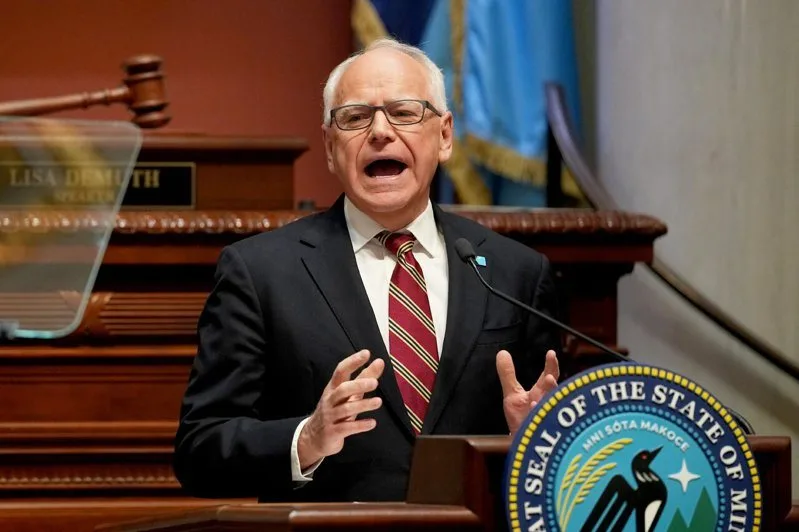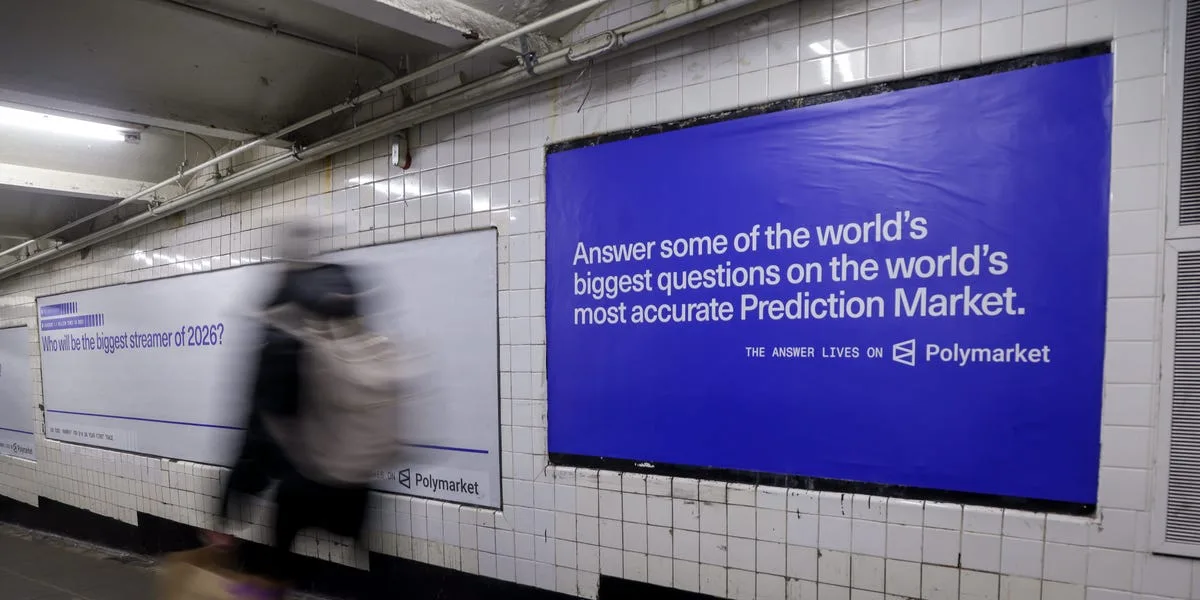
Minnesota became the first US state to enact a complete ban on prediction markets such as Kalshi and Polymarket. Governor Tim Walz, a Democrat, signed the law on May 18, 2026, with the ban set to take effect on August 1, 2026 [1, 2, 3, 4].
Under the new law, operating, hosting, or promoting prediction markets in Minnesota will be a felony punishable by up to five years in prison and a $10,000 fine [1, 2, 3].
The US Commodity Futures Trading Commission (CFTC) responded by filing a federal lawsuit on May 19 seeking to block the state ban from taking effect. CFTC argues that prediction markets fall under federal jurisdiction as derivatives markets, making Minnesota's ban unconstitutional. Chairman Michael Selig said, "This Minnesota law turns lawful operators and participants in prediction markets into felons overnight" and accused Governor Walz of putting "special interests first and American farmers and innovators last" [1, 2, 3].
Minnesota Attorney General Keith Ellison criticized prediction markets as addictive, saying in Chinese, "預測市場的設計目的就是讓人上癮,尤其針對年輕人和低收入族群,讓超級富豪更富裕,卻讓我們其他人更窮," meaning they exploit young and low-income groups for the benefit of the very wealthy [1, 2].
Kalshi compared the ban to "trying to prohibit the New York Stock Exchange," claiming the state lacks authority to ban federally regulated exchanges. Polymarket added the law contradicts the existing federal regulatory framework [1, 2].
The CFTC has filed similar lawsuits in other states and recently blocked Arizona from prosecuting Kalshi under criminal law [1, 2]. Nevada is currently the only state to have stopped Kalshi through a court injunction [1, 2]. At least 14 other states have proposed legislation restricting prediction markets, but Minnesota is the first to enact a full ban into law [1, 2].
Prediction markets allow users to wager on the outcomes of events such as sports, elections, and government actions but have faced criticism for enabling insider trading and gambling. Kalshi and Polymarket have implemented safeguards against trading on illegal tips or confidential information [3].
CFTC Chairman Selig highlighted the importance of prediction markets for Minnesota farmers, who use them to hedge weather and crop risks [3].
Minnesota’s ban will officially take effect on August 1, 2026, unless the federal lawsuit successfully blocks its implementation [4, 1, 2, 3].