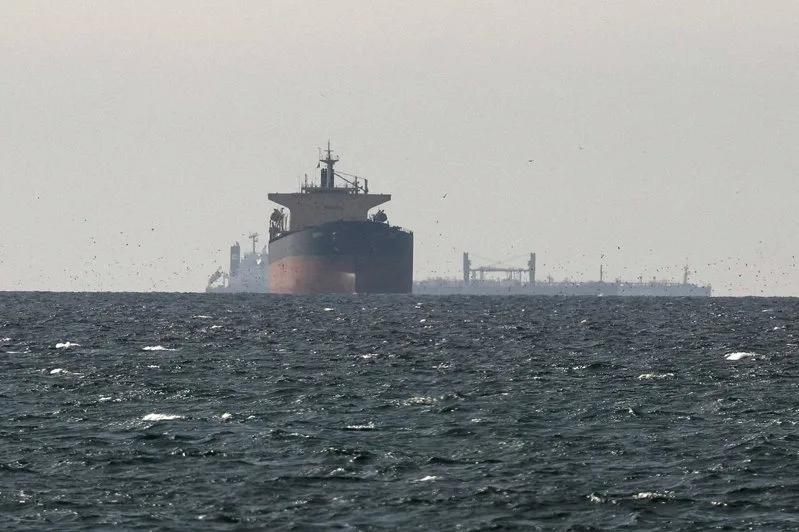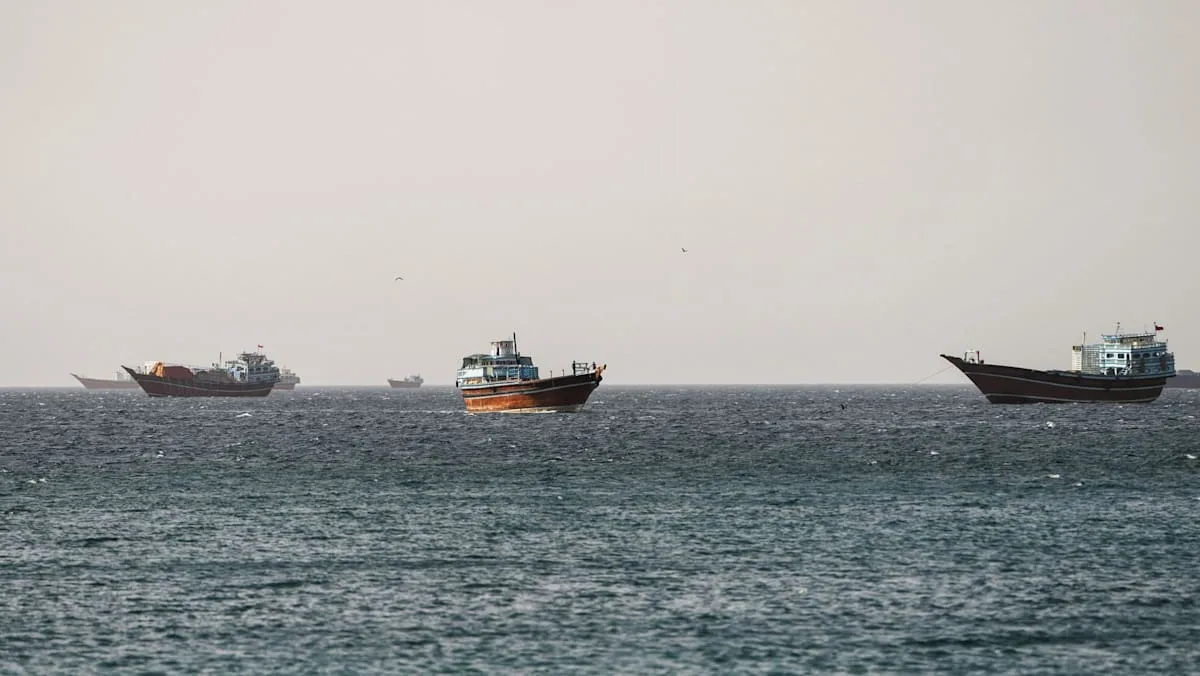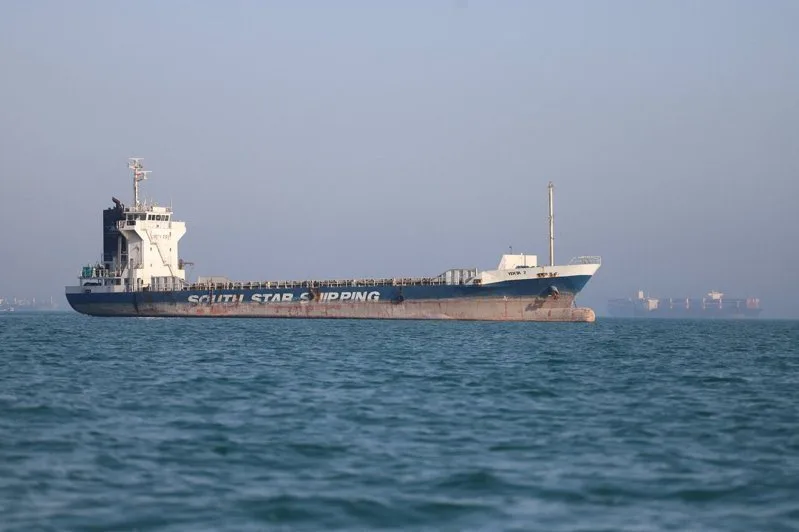
A record 78 vessels transited the Strait of Hormuz on June 24, marking the busiest single day since conflict began in the region [1, 2, 3]. This surged the cumulative June total to 551 vessels by that date, potentially the highest monthly tally since the conflict started [1, 2, 3]. The daily average transit volume in June reached approximately 57% of pre-conflict levels, signaling partial normalization of this strategic waterway [1, 2, 3].
The rise in traffic is partly due to the use of a newly implemented southern maritime route on Oman’s side of the Strait. On June 24, 33 ships used this route, a corridor established by Oman on June 24-25 to facilitate freer passage [1, 4, 5, 6]. However, Iran continues to insist that vessels use its approved northern route and obtain permission from the Islamic Revolutionary Guard Corps (IRGC) before transit [1, 7, 8]. At least four oil tankers that took the southern route on June 24 turned back after warnings from Iranian forces [1].
Richard Meade, editor of Lloyd’s List, said Iran "continues strict control over the northern channel, only granting specific permits and staged passage." He added, "Non-Iranian ships relying on US naval support in the southern Oman route should not assume full normalization yet" [7].
The volume of bulk cargo vessel transits, including oil, gas, and fertilizer shipments, also increased. On June 24, 56 such vessels passed, with 15 more by noon on June 25, exceeding prior averages [7, 8]. US Energy Secretary Chris Wright said about 20 million barrels of oil passed through the Strait in the last 24 hours via roughly 72 tankers, accounting for about one-fifth of global consumption [4, 5].
The UK navy deployed mine clearance ships on June 23 to the main channel to improve navigation safety by removing mines [7, 8]. A cargo ship was damaged on June 26 by unknown projectiles in the Strait; there were no casualties [7, 8]. Oil prices responded to rising shipments with sharp declines on June 26: WTI fell 3.7% and Brent 4.3%, reflecting eased supply concerns [5, 6]. Price Futures Group analyst Phil Flynn noted the oil flow through the Strait remains smooth, reducing earlier panic [6].
Meanwhile, approximately 11,000 seafarers trapped by conflict in the region have been evacuated under a UN-led operation begun on the evening of June 23 [7, 8]. The international maritime organization recommended use of both northern and southern routes for safer transit [1].
Despite these gains, total transit volumes remain substantially below pre-conflict levels of about 125 vessels per day [4, 7, 8]. Risks persist given Iran’s control of the northern channel and ongoing security threats [1, 7, 8, 3]. The situation continues to evolve with mine clearance and diplomatic efforts ongoing.
The next key development will be monitoring whether daily vessel numbers maintain current levels or grow further, as well as the outcome of maritime security operations planned by regional and international actors.