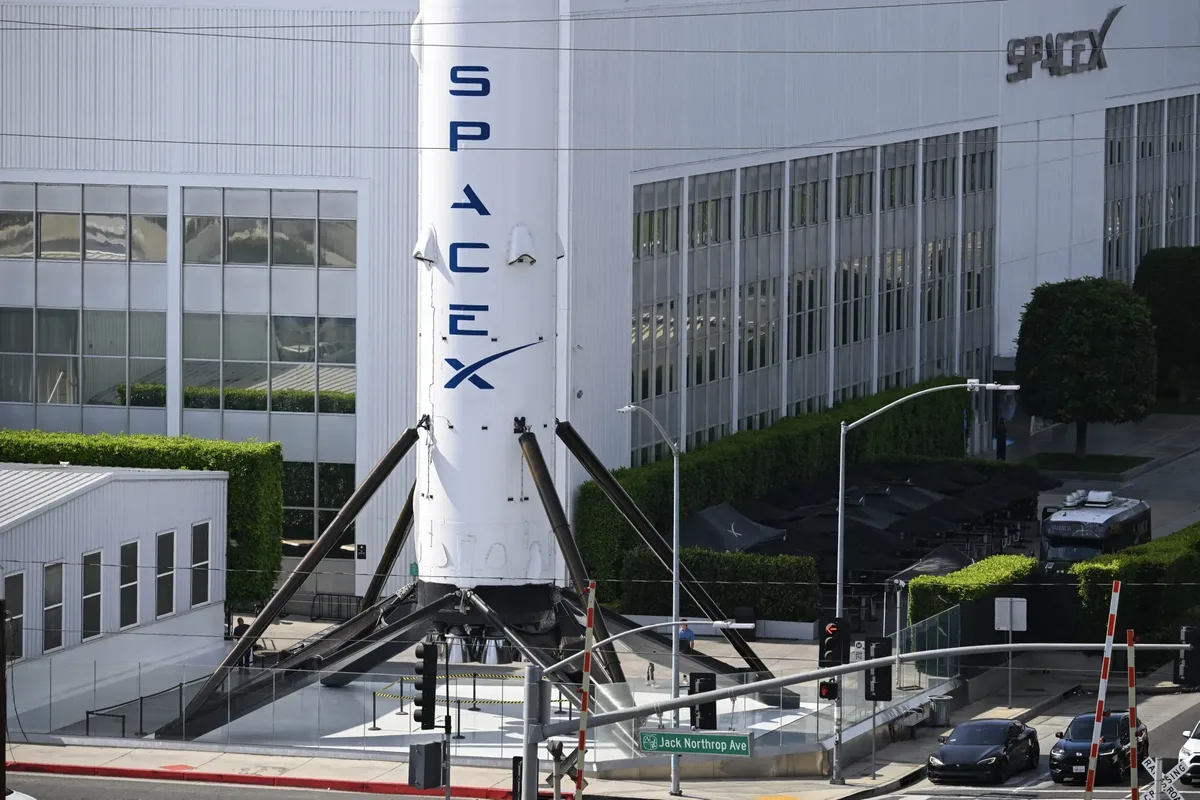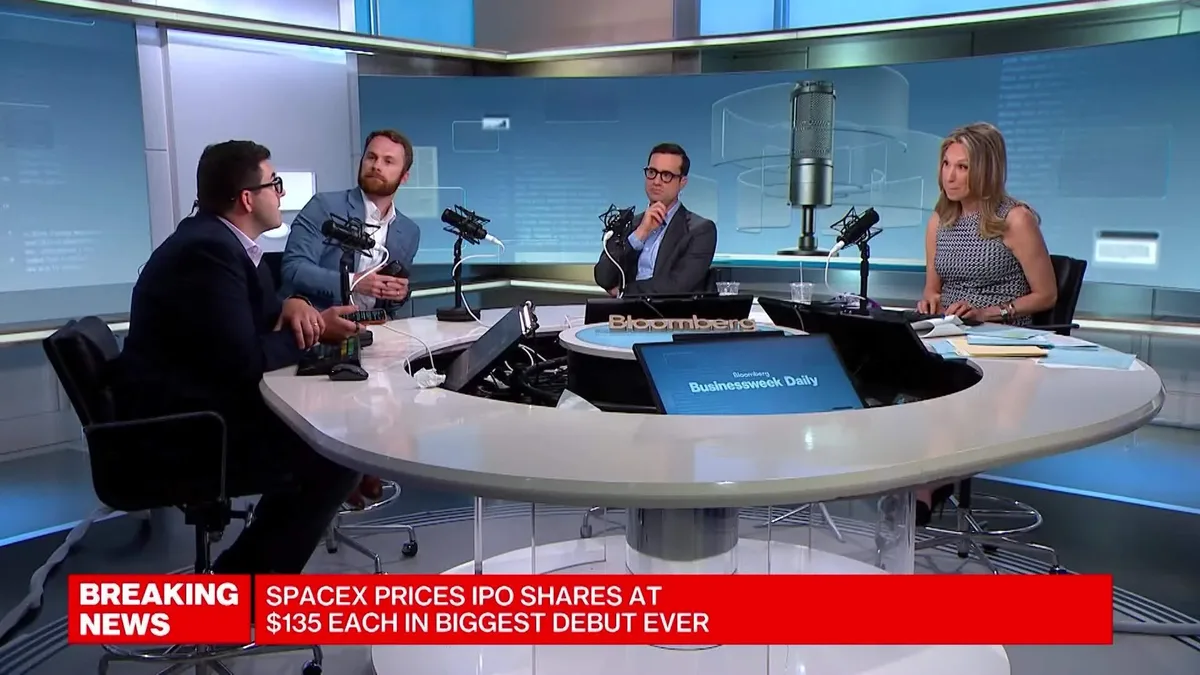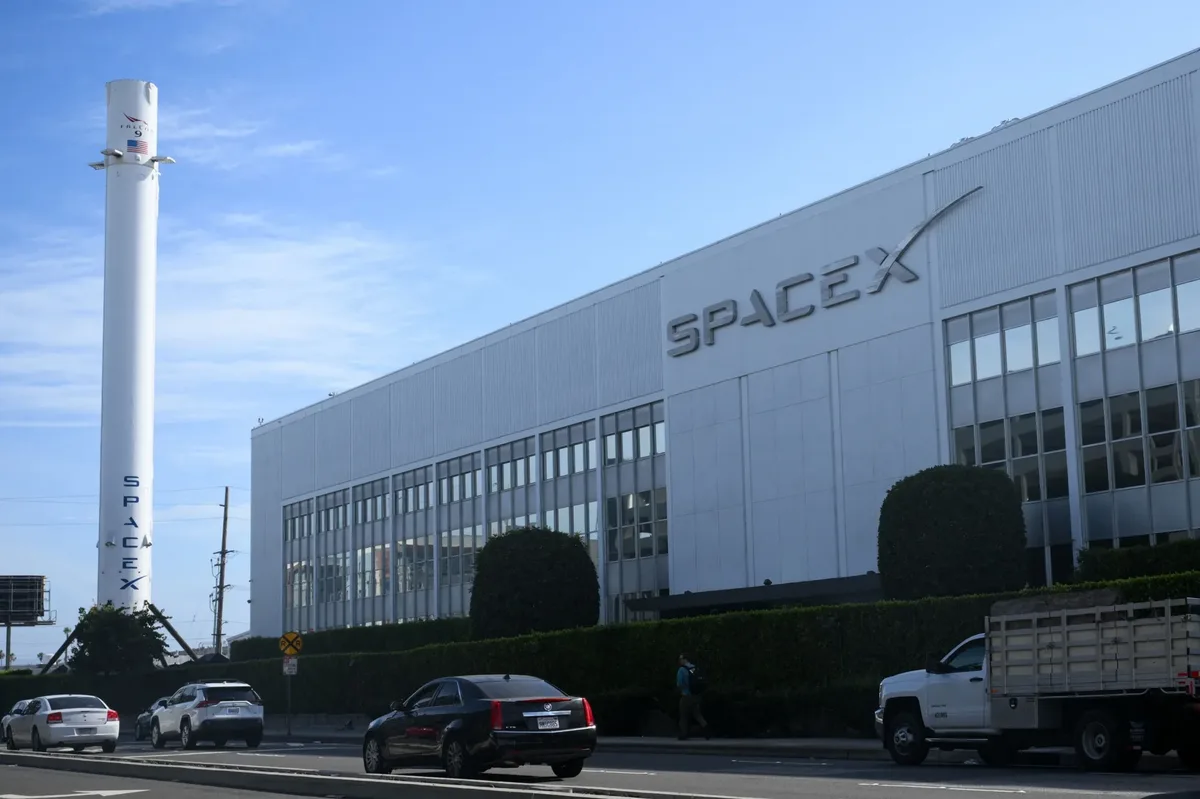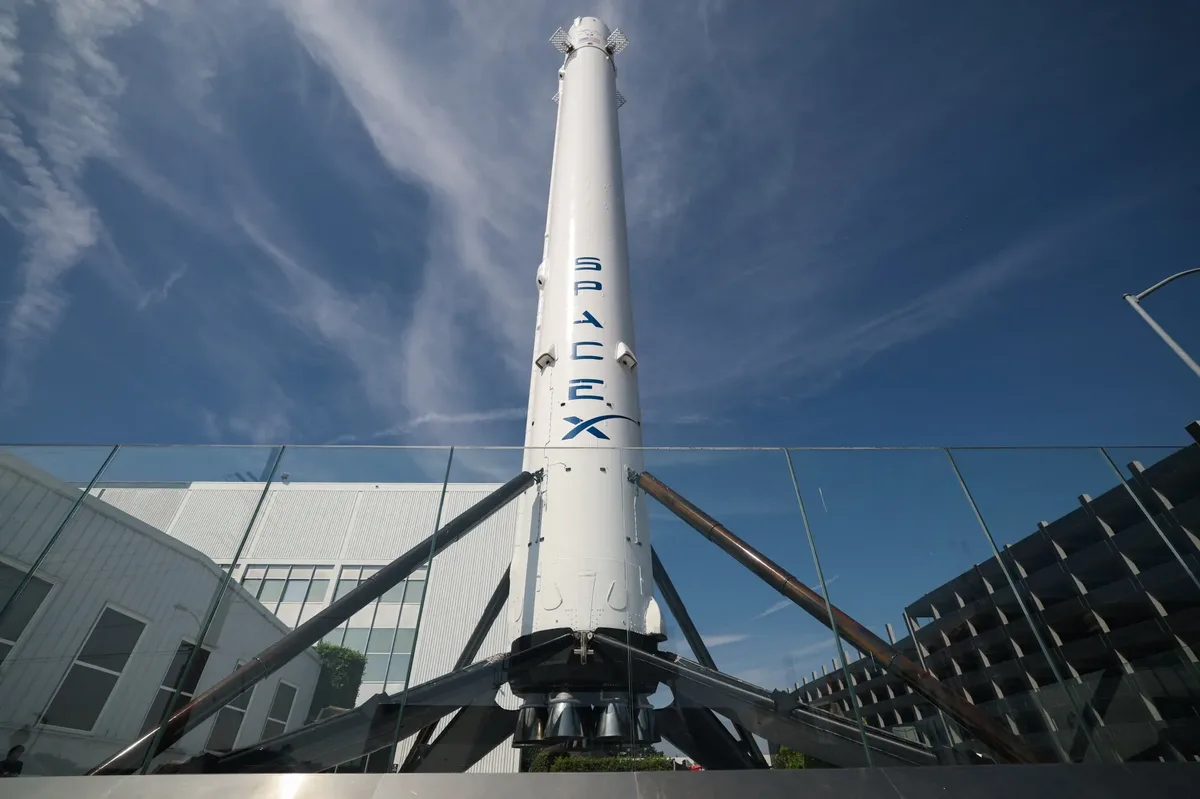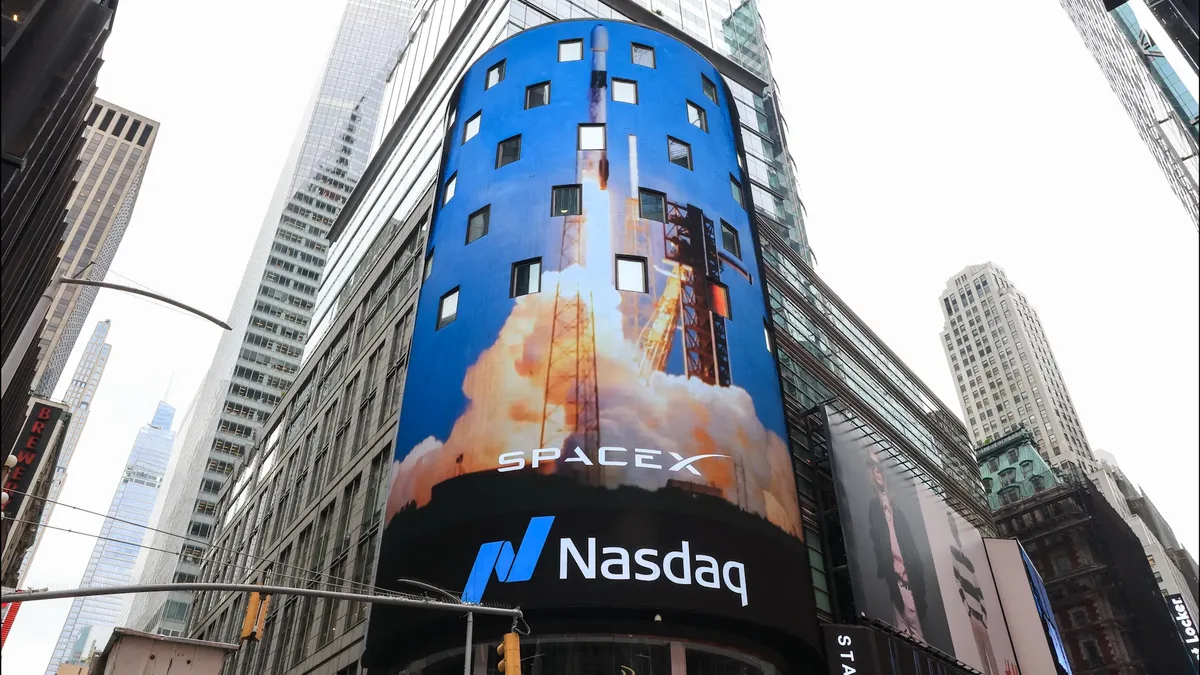
SpaceX completed its initial public offering on June 12, raising $75 billion by selling 555.6 million shares at $135 each, making it the largest IPO ever recorded [1, 2, 3, 4, 5]. The offering values SpaceX at approximately $1.77 to $1.8 trillion [6, 3, 4].
Underwriters were instructed on June 5 not to accept orders from investors in Hong Kong and China, citing U.S. export control laws and regulatory compliance risks [1, 2]. Despite these restrictions, demand from retail investors was extremely strong, with the IPO reportedly four times oversubscribed [7, 8]. Simon Belsham, Chief Client Officer at Hargreaves Lansdown, said, "While we recognise this IPO might not be right for everyone, it's an exciting moment for many of our clients. We're expecting this might be a first foray into investing for many" [7].
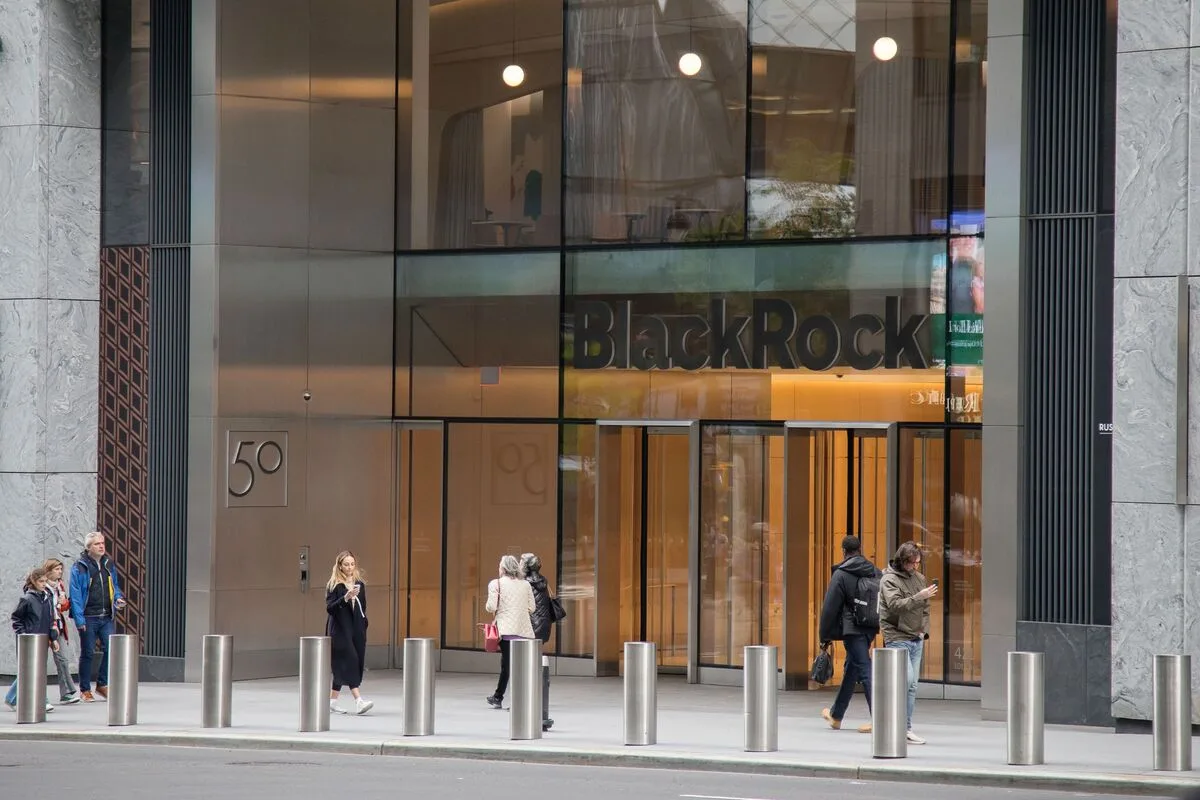
Key institutional investors include BlackRock, which targeted around $5 billion in allocation, joining Middle Eastern funds with billion-dollar-plus orders [9]. Market analysts have called the IPO a "landmark moment" signaling strong investor appetite despite geopolitical tensions. Julian Emanuel, Chief Equity and Quantitative Strategist at Evercore ISI, noted, "The melt up has begun as markets remain resilient ahead of the SpaceX IPO 'landmark moment'" [10].
SpaceX operates across rockets, satellites, and artificial intelligence, creating debate about how to value the company compared to pure-play peers in space or AI sectors [11]. Bruce Richards, Chairman of Marathon Asset Management LP, called SpaceX debt the "biggest rising star of all time" [6].
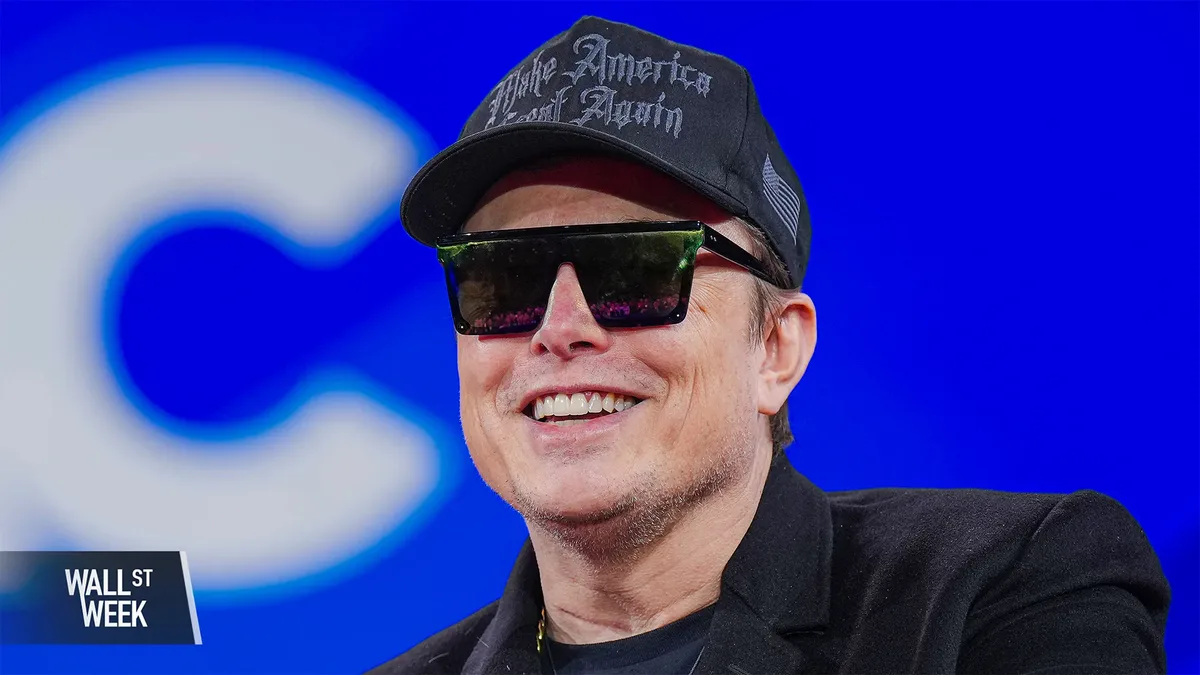
Founder Elon Musk could become the world's first trillionaire as a result of the IPO [3, 4]. The stock began public trading on June 12, marking one of the most significant listings in market history [7].