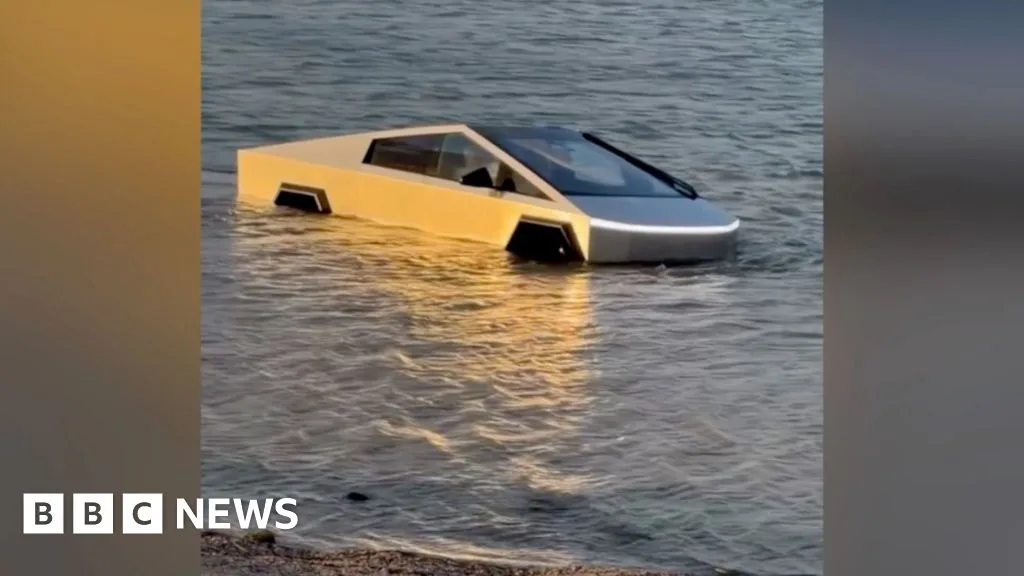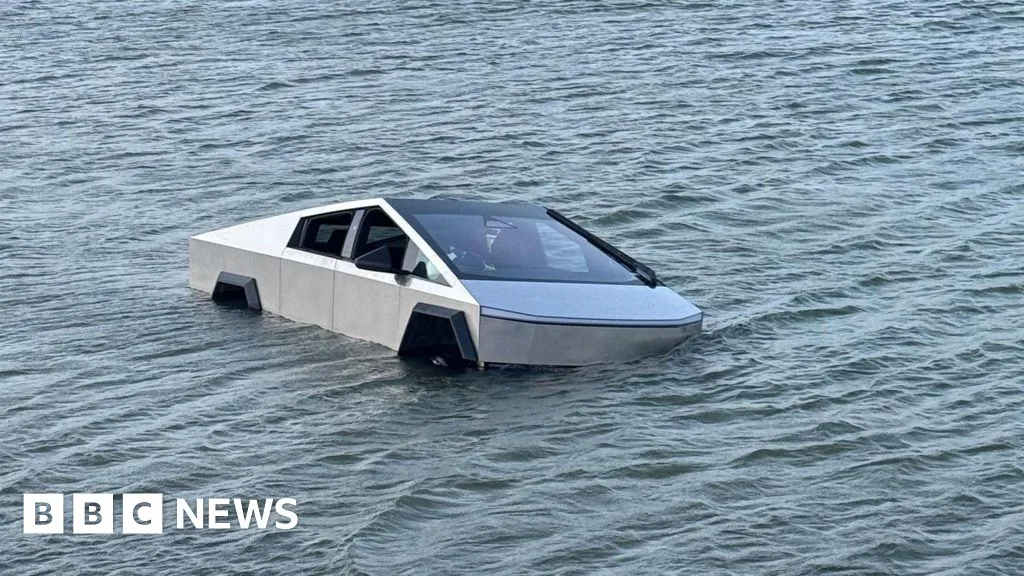
Jimmy Jack McDaniel intentionally drove his Tesla Cybertruck into Grapevine Lake near Katie’s Woods Park Boat Ramp in Texas on May 18 to test the vehicle’s Wade Mode feature, which supports shallow water driving up to about 81.5 cm (32 inches) deep [1, 2, 3, 4, 5]. After entering the lake, the vehicle became disabled and took on water. McDaniel and his passengers abandoned the partially submerged Cybertruck near the south shoreline [1, 2, 3, 4, 5].
The Grapevine Police Department received reports and arrived at the scene the same day. The driver admitted to deliberately entering the water to test Wade Mode and was arrested on multiple charges, including operating a vehicle in a closed lake or park area and violating water safety laws [1, 2, 3, 4, 5]. Police spokeswoman Katharina Gamboa said, "We wouldn't encourage willingly driving your vehicle into the water. You know, not only that, it's a safety concern, but it's also a legal concern as well" [1]. The department reminded the public that while vehicles may be able to enter shallow water, doing so can cause legal and safety issues under Texas law [4].
Tesla’s official manual states Wade Mode raises ride height and offers protection for driving in water up to roughly 32 inches deep while cautioning drivers to gauge water depth and avoid deep or fast-flowing water. The warranty excludes coverage for water damage [1, 2, 6, 3, 4, 7, 5]. Though marketed for rugged off-road use and shallow water capability, the Cybertruck is not designed to be driven as a boat or submerged in lakes for extended periods [8, 4, 5].
Fire department water rescue teams assisted police in recovering the vehicle using tow and rescue equipment during a lengthy operation that started in daylight and extended into the evening on May 18 [1, 3, 4, 5]. McDaniel’s arrest occurred at the scene that day.
The Cybertruck’s Wade Mode speed typically ranges from 1 to 3 mph (2 to 5 km/h), and the vehicle’s approximate starting price in the U.S. market is around $70,000 [2, 5]. Police continue to warn drivers against replicating McDaniel’s actions due to the risks and legal violations involved [1, 2, 4].