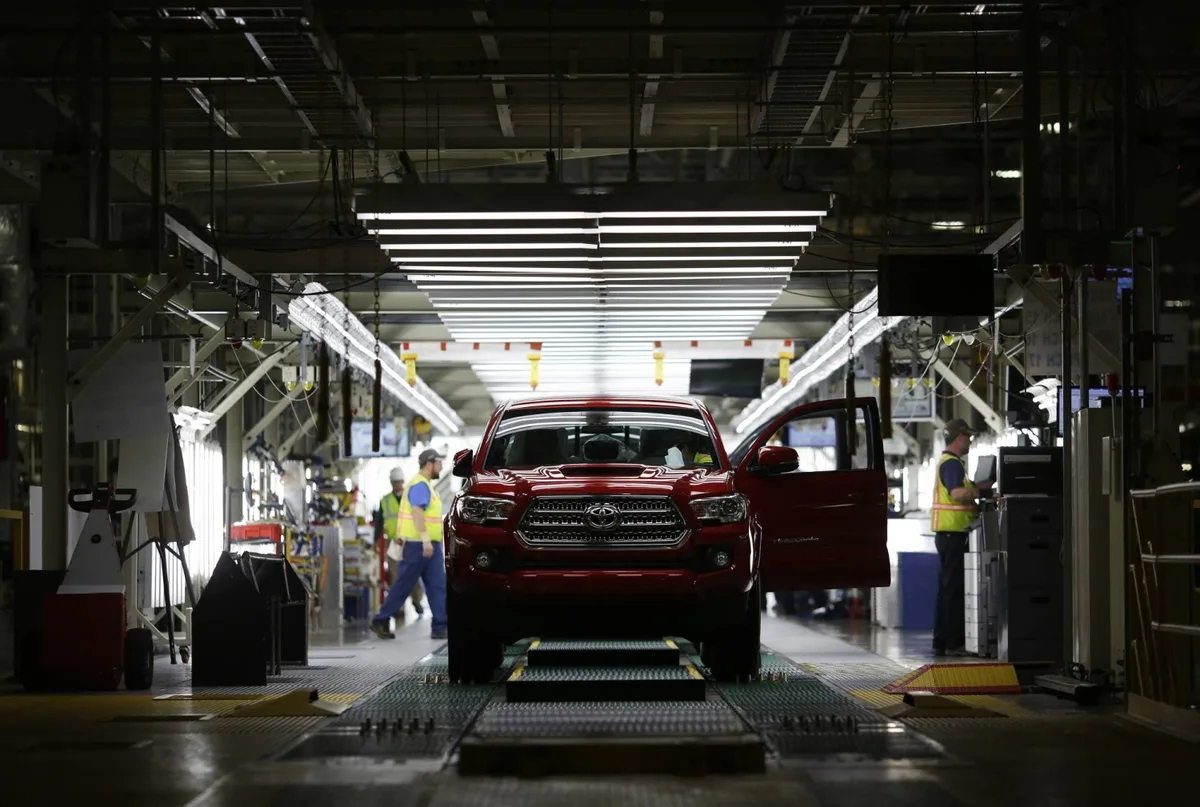
Toyota revealed plans on July 6 to invest $3.6 billion to expand its manufacturing campus in San Antonio, Texas, adding a second assembly line and nearly doubling the plant's size from 2.7 million to about 5 million square feet [1, 2, 3, 4, 5]. The expansion will increase the plant's annual production capacity from roughly 200,000 vehicles to 350,000 by 2030 when the new line begins operation [2, 4, 6, 7].
The investment is expected to create about 2,000 jobs at the Texas facility, strengthening Toyota's U.S. manufacturing footprint [1, 2, 3, 4, 5, 6, 8, 9, 7, 10]. Toyota will move part of the popular Tacoma midsize pickup production from its Baja California, Mexico plant back to San Antonio over the next four years, although Tacoma manufacturing will continue at the Guanajuato, Mexico site [1, 2, 3, 4, 5, 6, 8, 9, 7, 10].
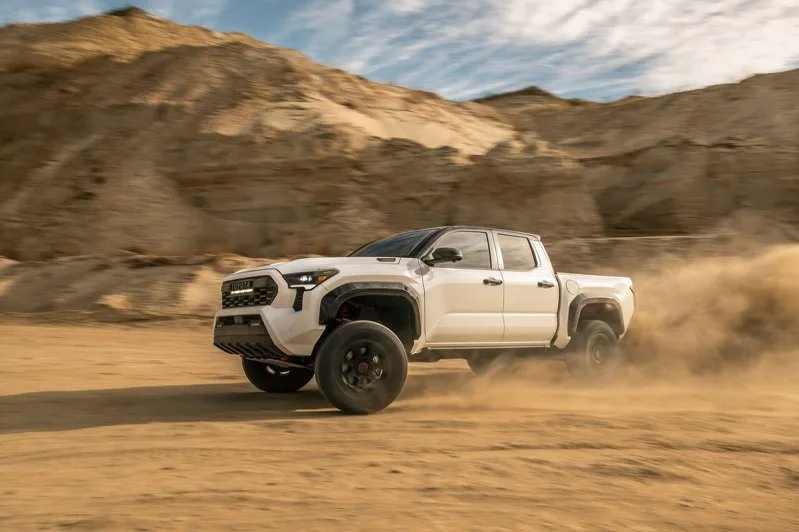
The Tacoma is the best-selling midsize pickup in the U.S., with 2026 sales forecast to exceed 280,000 units [2, 7]. Toyota had previously shifted Tacoma production from Texas to Mexico between 2010 and 2021 but reversed course amid rising U.S. tariffs on Mexican auto imports and the move to annual USMCA trade reviews [4, 9, 10].
The San Antonio plant currently produces Tundra pickups and Sequoia SUVs, including hybrids [4, 6, 9, 7]. Since opening in 2003, Toyota's total investment at the site will reach about $8.3 billion with this expansion [2, 4, 6]. The Texas state and local governments are supporting the project with roughly $303 million in tax incentives [9].
Toyota’s President of North America, Ted Ogawa, said, "By expanding our San Antonio plant, we are deepening our commitment to American manufacturing" [2]. Texas Governor Greg Abbott called the investment "Texas-sized" and praised the state's workforce and business advantages [2]. A Toyota spokesperson noted it "complements our broader North American production network" [4]. A White House source linked the reshoring decision specifically to prior U.S. tariff and tax policies [9].
The new assembly line is expected to launch by 2030, marking a significant step in Toyota's plan to spend up to $10 billion in U.S. manufacturing through that year [1, 2, 3, 4, 5].