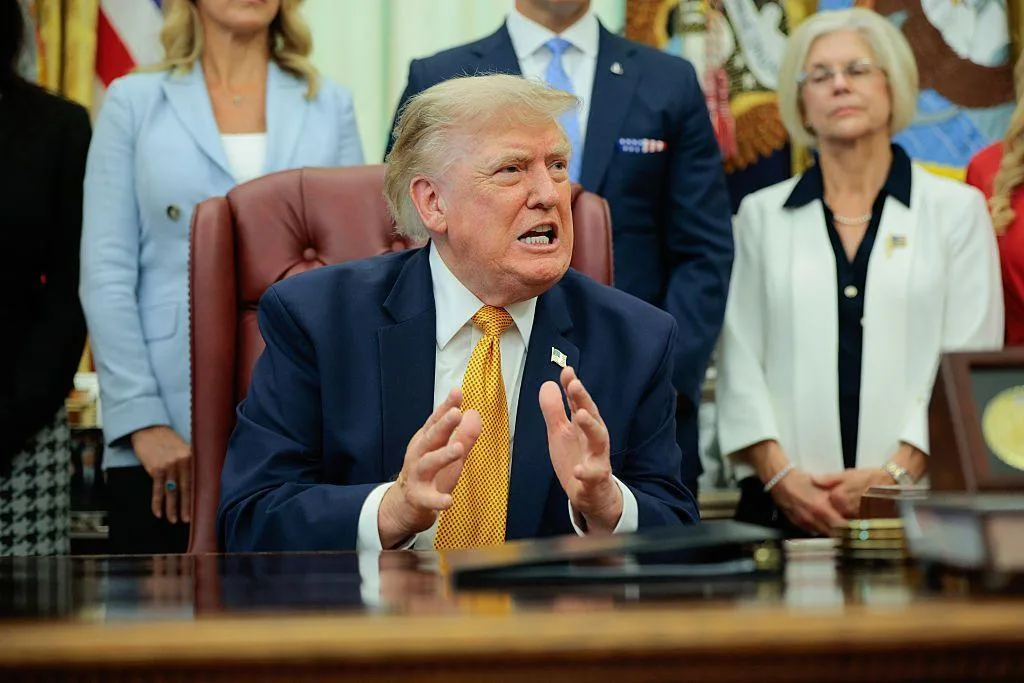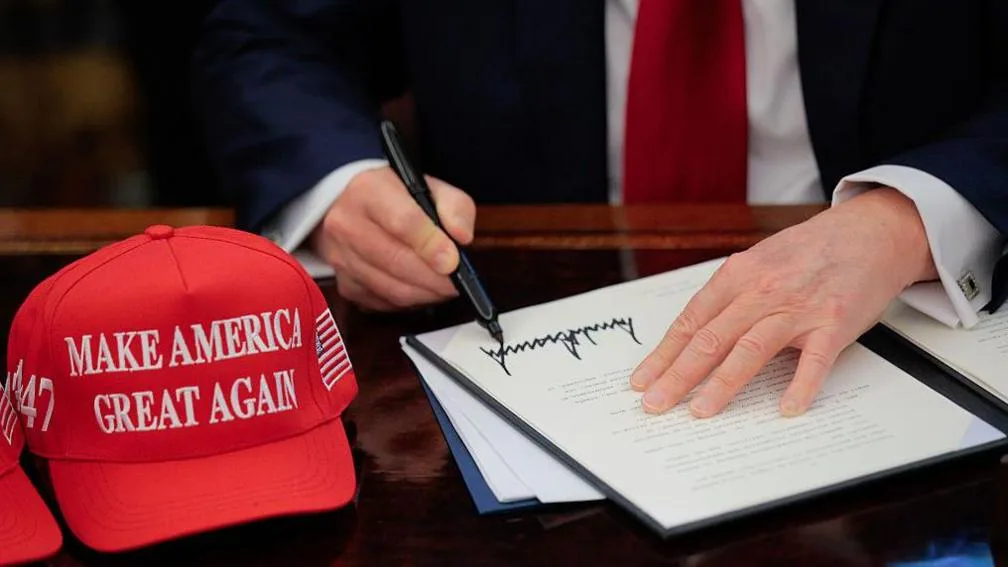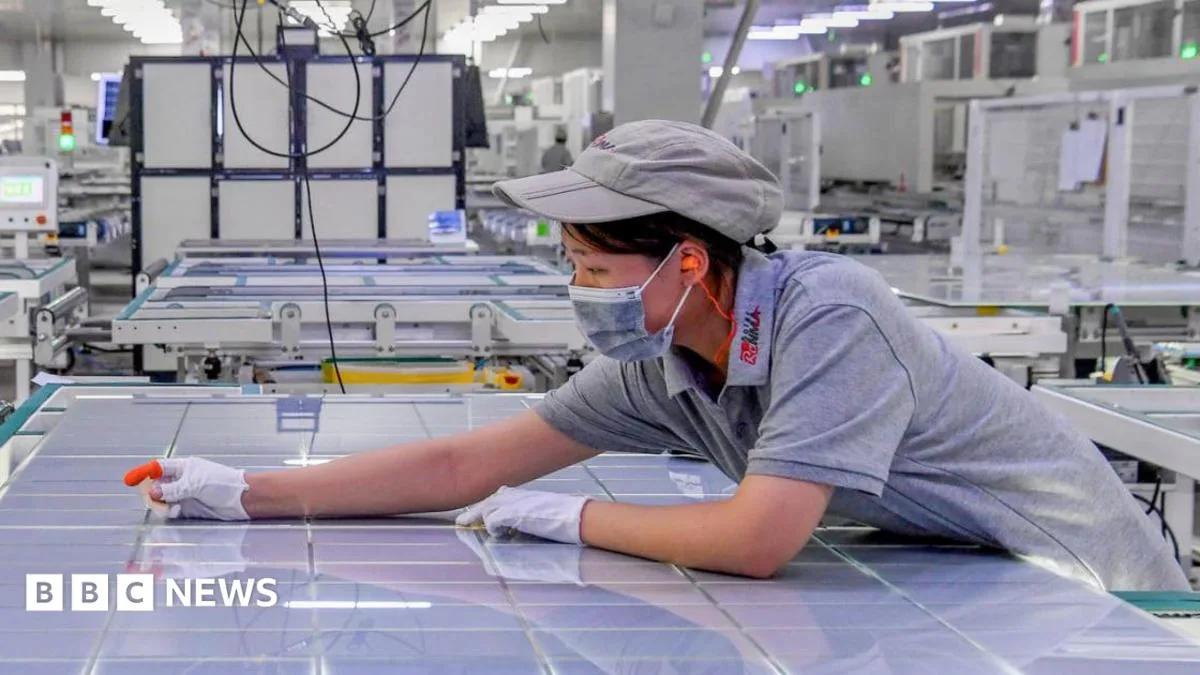
President Donald Trump signed an executive order on August 6, 2026, imposing a 15% tariff and setting minimum import prices on polysilicon and related products to protect US manufacturers and reduce reliance on imports, especially from China [1, 2, 3, 4, 5, 6, 7]. The tariffs and price floors will take effect on December 4, 2026 [1, 3, 5, 6, 7].
Polysilicon is an ultra-high purity silicon material critical for semiconductor chips and solar panel manufacturing supply chains [1, 8, 2, 9, 10, 4, 5, 6, 7]. The tariffs cover polysilicon and derived products including silicon wafers, photovoltaic cells, and solar modules [2, 3, 11, 5, 7]. Minimum import prices are set at $21 per kilogram for polysilicon, $100 per kilogram for polysilicon ingots and wafers, 22 cents per watt for solar cells, and 38 cents per watt for solar modules [3, 11, 5, 7].
The US share of global polysilicon production has dropped drastically from about 50% in 2005 to under 2% in 2024, with China holding a near monopoly on production [1, 8, 7]. Senior researcher Singelton at the Foundation for Defense of Democracies said, "China, with subsidies and excess capacity, has established dominance in polysilicon, pushing prices to unsustainable levels and weakening competitors" [8, 2, 9]. Commerce Secretary Howard Lutnick, who recommended the tariff and pricing plan, said, "We’re setting prices so that the Chinese can’t dump any more, and we’re setting tariffs to say build it here" [12].
Two main US producers, Hemlock Semiconductor and Wacker Chemie, are expected to benefit from the policy [1, 8, 4, 6, 7]. A Corning spokesperson called the tariff "encouraging continued investment in US capacity and supports long-term US competitiveness" [4]. Trump said, "For decades, the US has allowed foreign firms to weaken United States producers in the polysilicon sector" [1]. The order includes provisions allowing tariff relief for companies investing in domestic polysilicon production [3, 11, 5, 7].
China criticized the measures as protectionist abuse of national security claims. A China embassy spokesperson said, "Washington is abusing state power to go after Chinese businesses. Protectionism will not make the US more competitive" [1]. Lin Jian of China's Ministry of Foreign Affairs added, "Protectionism will not make the US more competitive. China will continue firmly protecting our businesses’ legitimate and lawful rights and interests" [6].
The US Commerce Department conducted a year-long national security investigation into polysilicon imports from 2025 to 2026 under Section 232 of the Trade Expansion Act [8, 2, 9, 5]. The US has largely stopped importing polysilicon from China since 2022 due to the Uyghur Forced Labor Prevention Act, so the tariffs primarily affect imports from Germany, South Korea, and other sources relied on by US solar manufacturers [7].
Analysts caution the tariffs may raise solar module costs, challenging renewable developers facing subsidy cuts and policies favoring fossil fuels [3, 11, 5]. Shares of US solar companies like First Solar Inc. and T1 Energy rose after the announcement [3, 11].
The tariffs and minimum import prices will officially come into force on December 4, 2026, setting a new framework for US polysilicon import regulation [1, 3, 5, 6, 7].