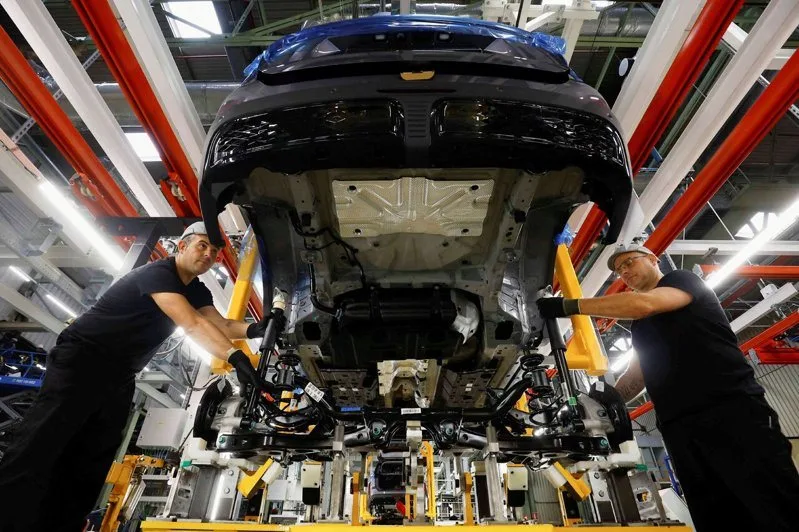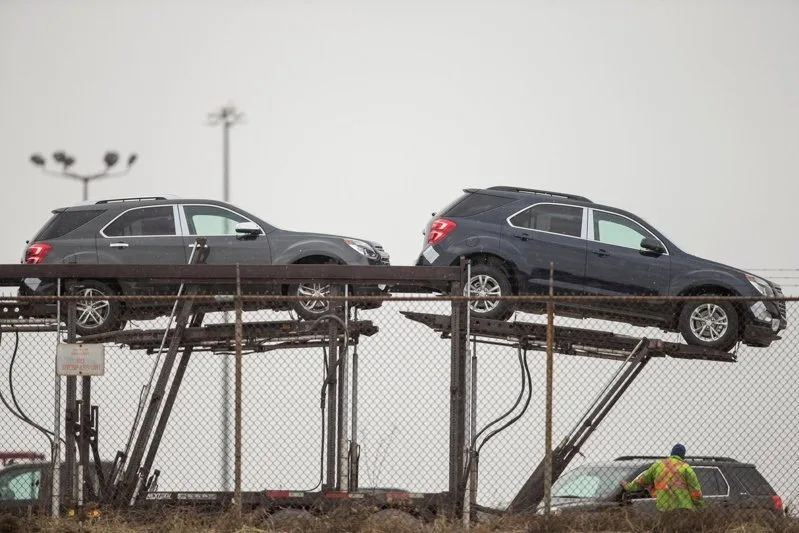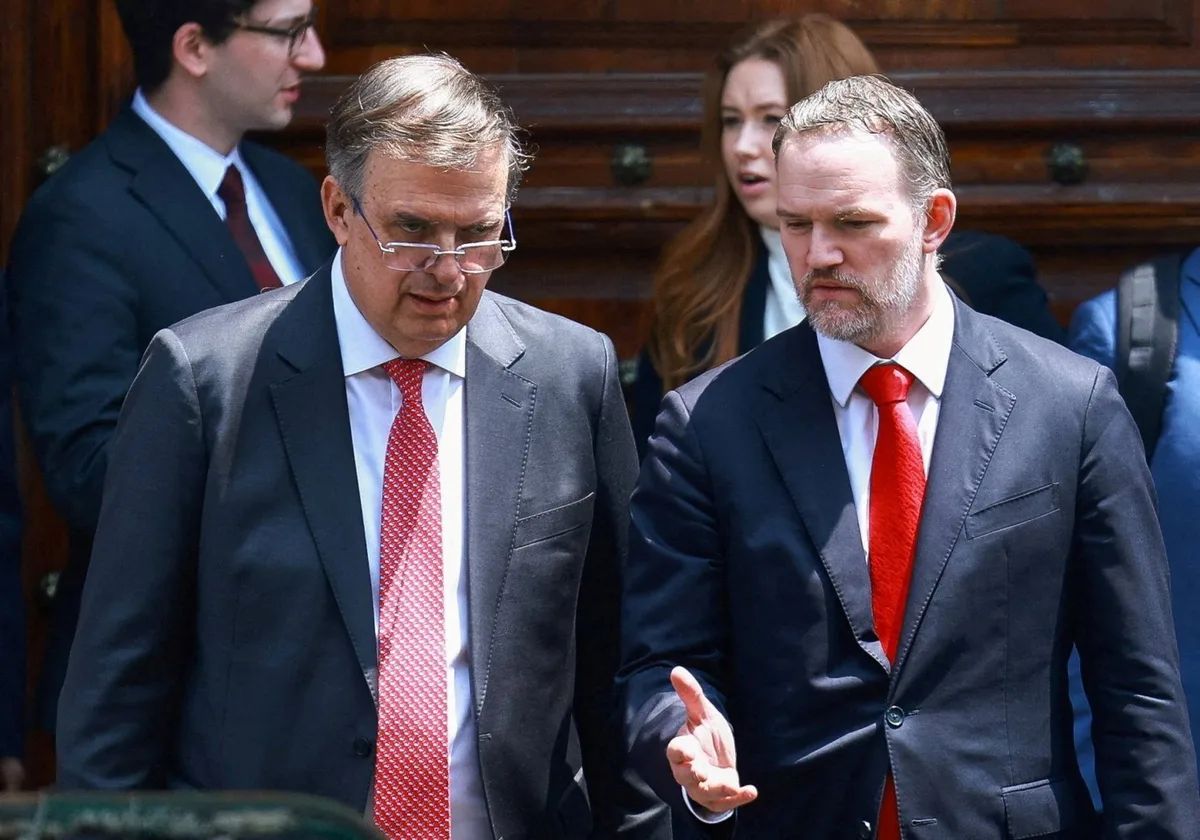
The Trump administration unveiled proposals to revise auto tariff rules under the US-Mexico-Canada Agreement (USMCA) during bilateral talks in Mexico City on May 29. [1, 2, 3, 4] The new plan would require at least 50% of auto parts and materials be made in the United States for cars to qualify for lower tariffs, up from no current US-specific minimum. [1, 3, 4] At present, 75% of materials must come from North America but without any set percentage from the US alone. [1, 3, 4]
Additionally, the administration proposed raising the total regional value content (RVC) threshold from 75% to 82% for autos, excluding Canadian parts content from this calculation. [2, 3] There are conflicting reports on the overall regional content increase, with some sources emphasizing the US parts minimum rather than the total regional threshold change. [1, 4] The US is also pushing to raise the regional content rule for heavy trucks from 70% to 75%. [3]
The 50% US-made parts requirement is designed to encourage reshoring of manufacturing jobs back to the US automotive sector. [1, 3, 4] However, some automakers caution the stricter US content rules may make it difficult to meet the thresholds and could force cheaper vehicles out of the US market. [1, 3, 4] For example, General Motors said its GMC Terrain SUV assembled in Mexico currently sources only about 11% of parts from the US or Canada. [1, 3]
US Trade Representative Jamieson Greer indicated the USMCA talks could result in separate bilateral deals if a trilateral agreement cannot be reached. He said, "The revised USMCA may impose some tariffs on Mexico and Canada and could be split into separate agreements." [1]
The US delegation has completed the first round of US-Mexico negotiations in Mexico City. A second round is scheduled for Washington in June, followed by a third round back in Mexico City in July 2026. [1, 3, 4]
The talks will focus on finalizing the new auto parts and regional content rules to define tariff eligibility under USMCA going forward. [1, 3]