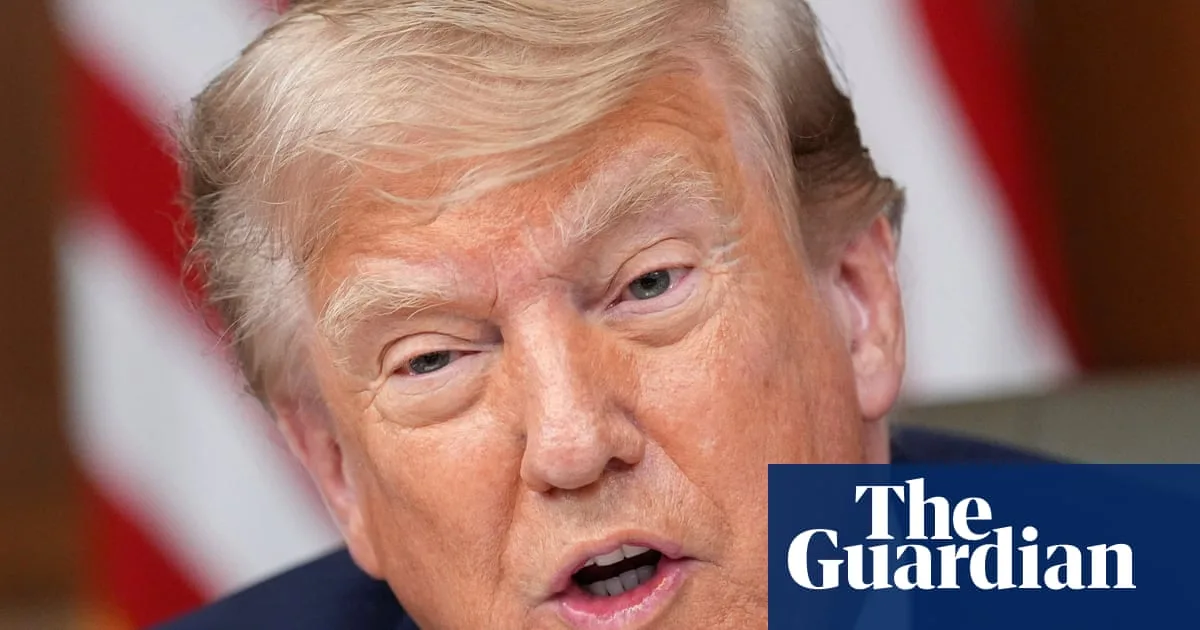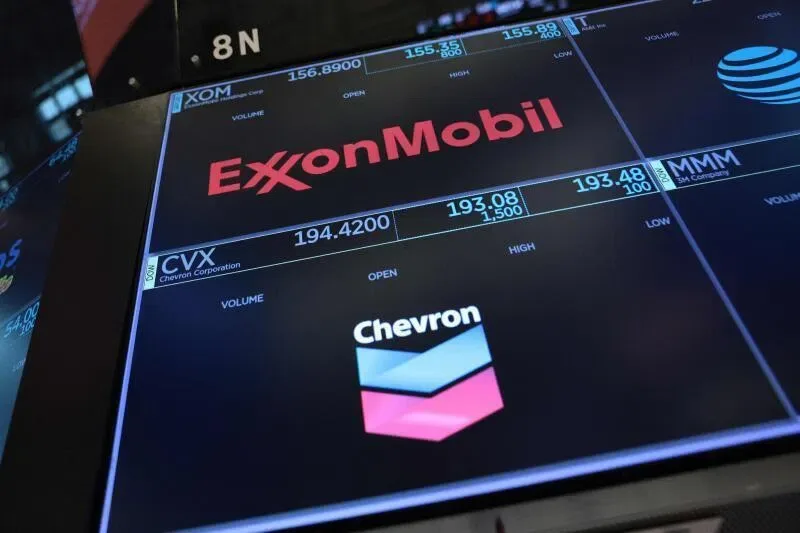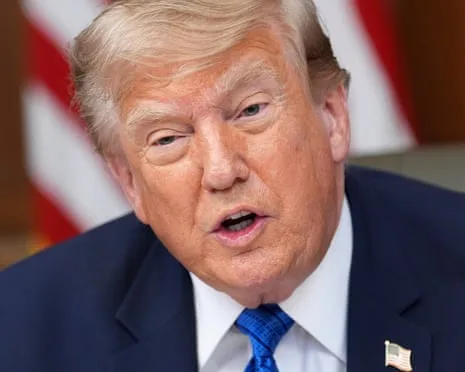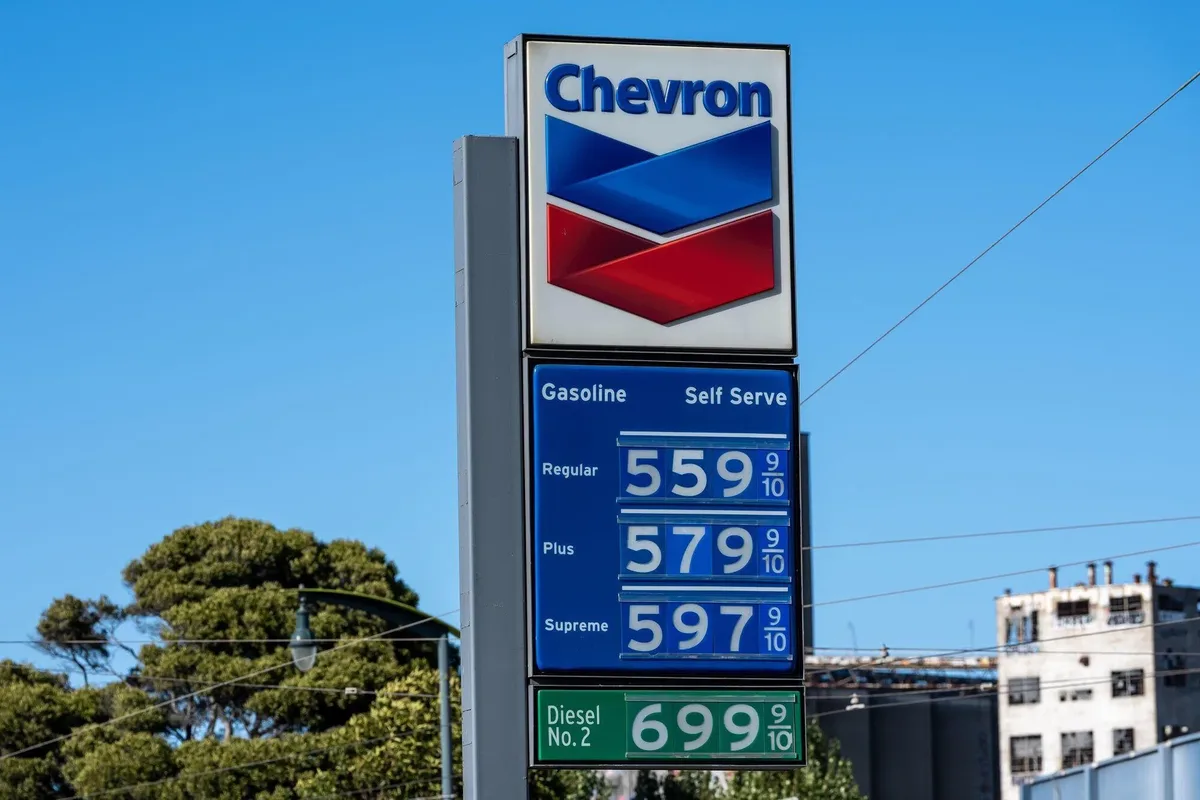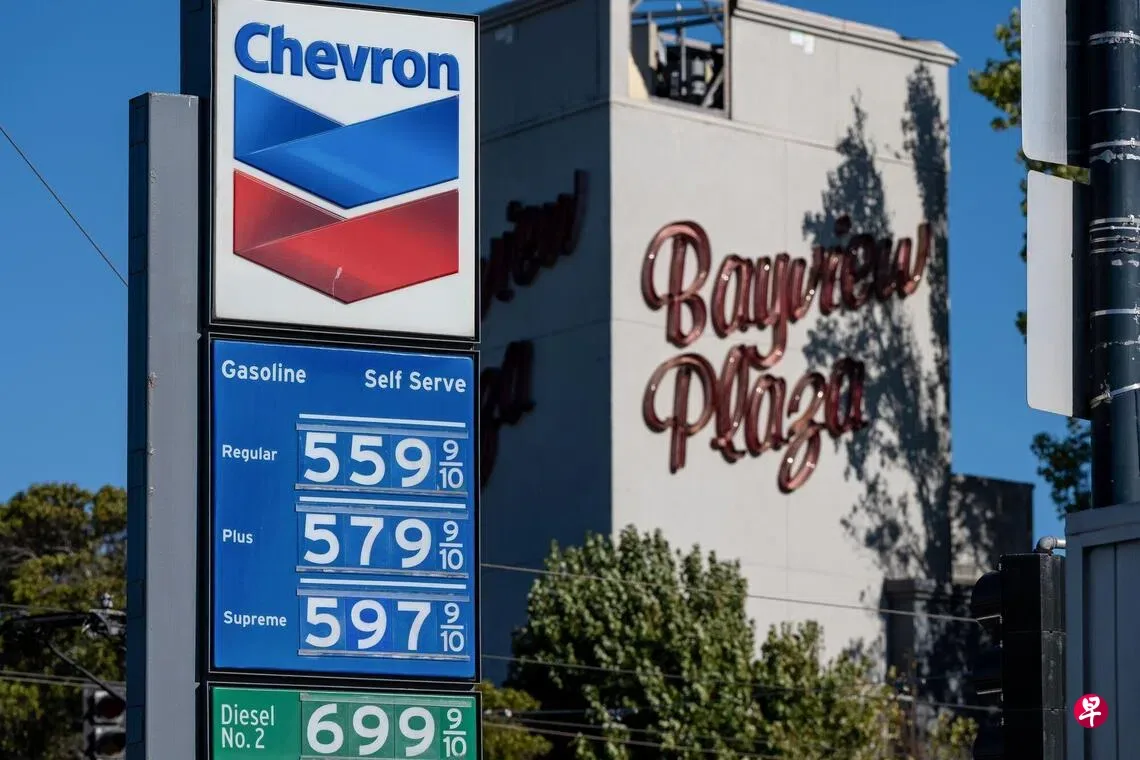
US President Donald Trump publicly criticized ExxonMobil and Chevron on August 3 for making "too much money" from rising fuel prices caused by the ongoing Iran conflict and global supply disruptions, demanding that the companies return some of their profits to consumers by lowering retail petrol prices [1, 2, 3]. Trump said, "Chevron, too much money. ExxonMobil, too much. Too much money. I don’t like it," and added, "They’re making too much money based on a shortage" [1, 2]. He called for the companies to "give some of that back to the public and they better cut the retail price, the consumer price" [2].
ExxonMobil reported a Q2 net profit of approximately $14.5 billion, about double its earnings from the same period last year and its highest quarterly profit since 2022 [2, 3, 4, 5]. Chevron meanwhile earned around $12 billion in Q2, up nearly fivefold from last year and marking its best quarterly earnings in at least six years [2, 3, 4, 5]. BP also announced Q2 profits more than doubled to $5.7 billion amid the surge in fossil fuel prices caused by the Middle East tensions [2, 6]. Phillips 66 reported net income of $3.8 billion, becoming the third-largest buyer of Venezuelan crude by leveraging fleet growth and policy waivers under Trump’s administration [7].
The record profits coincide with a spike in crude prices following US and Israeli strikes on Iran that began in late February 2026, escalating hostilities in the region and disrupting oil supply routes including the Strait of Hormuz [2, 8, 4]. Brent crude prices surged from about $70 per barrel in February to a peak above $125 in April before easing back to around $85 by early August [2, 4, 6]. Saudi Aramco also reported a Q2 net profit of $33.4 billion, boosted by the Iran conflict and alternate export pipelines bypassing the Strait of Hormuz [9].
Trump singled out Chevron CEO Mike Wirth for failing to recognize the Trump administration’s support of the energy sector, stating, "The only thing he conveniently forgot to mention is that, without the genius, foresight, strength, and stability, of the TRUMP Administration, the Oil Industry, and our Country itself, would be DEAD!" [1, 10]. He has applied similar pressure on corporations in public talks and social media throughout his terms [1, 10].
The American Petroleum Institute pushed back, attributing high oil prices to global supply and demand and geopolitical risks around the Strait of Hormuz rather than corporate pricing [1, 8, 10]. BP CEO Meg O’Neill noted, "The reality is we produce a global commodity and the product we sell hangs off that global commodity price" [6].
The Iran war and disruptions have pushed US gasoline prices up by 37% since late February, fueling inflation and rising fuel costs domestically [8]. Polls as of August 6 indicate Democrats hold a slight edge over Republicans on economic management ahead of November 2026 midterms, with Trump’s approval on the economy declining [8].
In late June, Trump ordered the Justice Department to investigate energy price gouging and demanded gasoline retailers reduce prices [2, 8]. The situation continues to unfold amid geopolitical tensions and market volatility.