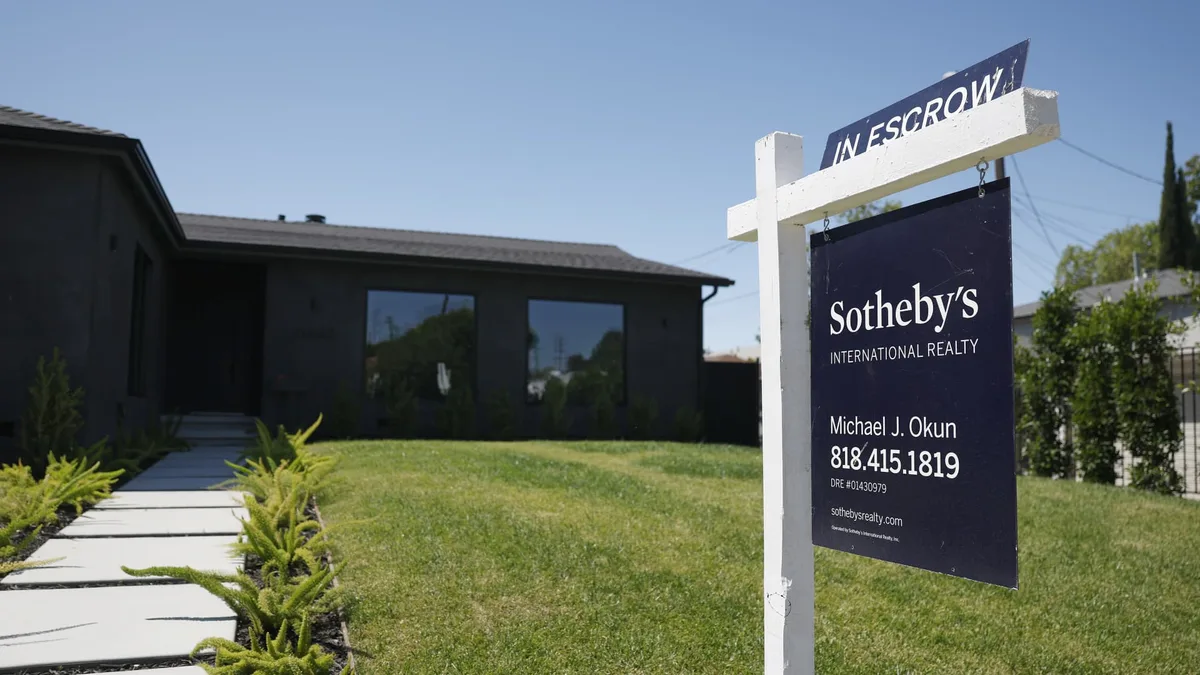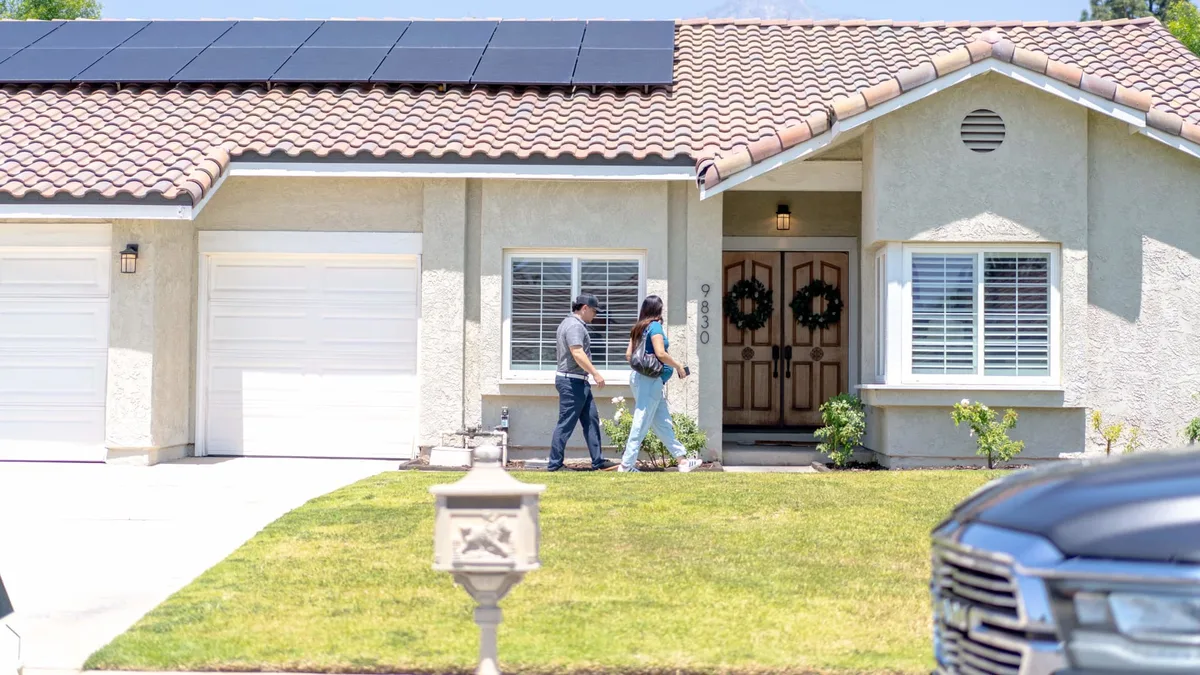
The average rate on a 30-year fixed mortgage increased to 6.56% in the week ending May 15, 2026, nearly matching the 6.57% level seen at the end of March 2026, according to data from the Mortgage Bankers Association and others [1, 2, 3, 4]. Freddie Mac reported the rate at 6.51% on May 21, the highest since August 2025 [5, 6, 7]. Mortgage News Daily noted a peak of 6.75% by May 19, the highest since July 2025 [8, 9]. This marks an increase of about 46 basis points since early April, when rates stood near 6.29% [8, 9, 3].
The rise in mortgage rates is closely linked to increased Treasury yields, which hit multi-year highs amid inflation worries and geopolitical tensions stemming from the Iran war that began in February 2026 [8, 9, 3, 4, 7]. The 10-year US Treasury yield climbed to approximately 4.6% in May, up from below 4% before the conflict, putting upward pressure on borrowing costs [8, 3, 4, 7]. Joel Kan, economist at the Mortgage Bankers Association, said, "Ongoing concerns around inflation from higher fuel costs combined with rising concerns over global public debt pushed Treasury yields higher in the U.S. and abroad last week" [1].
Higher mortgage rates have increased monthly payments on a median-priced $420,000 home by about $167 compared to April 2026 [9]. This contributed to a 2.3% drop in overall mortgage applications in the week ending May 15, driven by declines in both refinance and home purchase loans [1, 4]. Applications to buy homes fell 4.1% that week, the largest weekly drop since late March [3, 4].
Despite rising costs, the share of adjustable-rate mortgage applications rose to nearly 10%, the highest since October 2025, as some buyers seek lower initial rates amid climbing fixed-rate mortgage prices [1, 4, 7]. Lawrence Yun, chief economist at the National Association of Realtors, said buyers are showing "cautious optimism despite increasing economic uncertainty and a slight rise in mortgage rates" [9]. Pending home sales increased in April 2026 compared to both March and the same month last year, indicating some demand remains [8, 9, 5].
Some homebuilder stocks have seen order growth this spring despite rate pressures. UBS analyst John Lovallo commented, "Rates are a challenge, but we're still at levels where the builders can operate effectively. Demand for housing is still robust" [9]. Meanwhile, Matthew Graham of Mortgage News Daily said the bond market was signaling political urgency: "Bonds are telling politicians to get serious about ending the war or face increasingly dire consequences" [9].
Freddie Mac economist Sam Khater noted high rates and prices continue to weigh on buyers, suppressing activity, while Realtor.com's Anthony Smith said, "Every increase in mortgage rates shrinks the pool of potential homebuyers, though some markets are showing buyer-friendly trends" [6, 7].
The next key data on mortgage rates and applications will be closely watched as markets react to inflation, geopolitical developments, and economic policy.
Timeline
- February 2026: Iran war begins, driving up geopolitical tensions, oil prices, and inflation [8, 9, 3, 4, 7].
- March 31, 2026: 30-year fixed mortgage rate reached 6.57% [2, 3].
- April 1 to May 19, 2026: Mortgage rates climbed from 6.29% to a peak of 6.75% [8, 9, 3].
- May 15, 2026: Mortgage Bankers Association reported rate at 6.56%; mortgage application volume dropped 2.3% [1, 2, 3, 4].
- May 19, 2026: Mortgage News Daily reported rate at 6.75% [8, 9].
- May 21, 2026: Freddie Mac reported rate at 6.51%, highest since August 2025 [5, 6, 7].