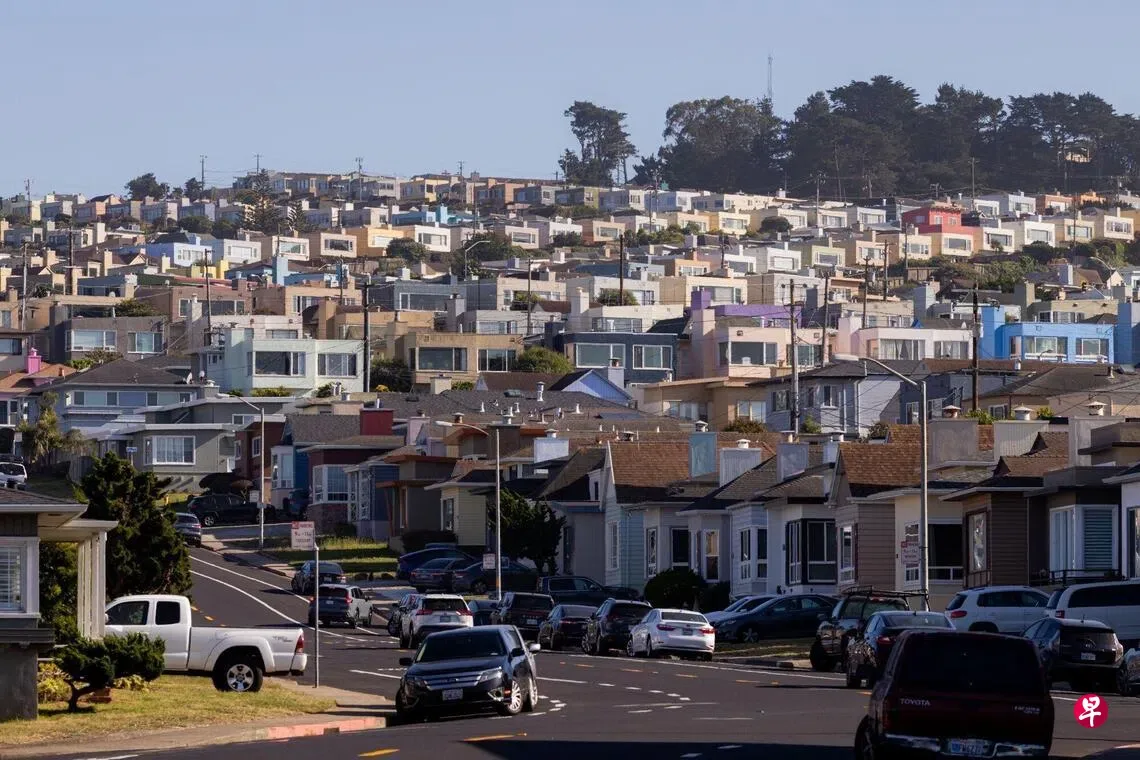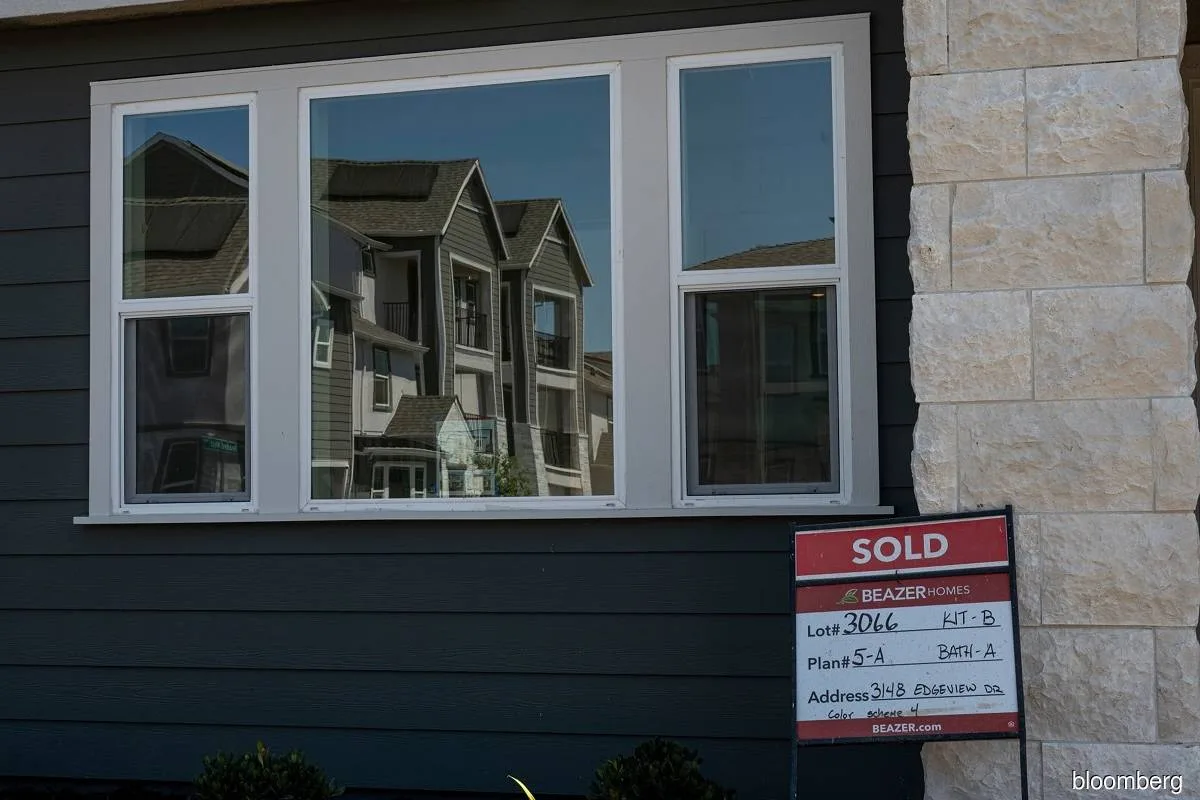
The average US 30-year fixed mortgage rate climbed to its highest level since August 2025 last week, driven by inflation fears and tensions linked to the Iran war [1, 2, 3]. Data from the Mortgage Bankers Association (MBA) showed the rate increased by nine basis points to 6.65% for the week ending May 22, 2026 [2, 3]. Freddie Mac reported a slightly lower average rate of 6.51% for the same period, marking the highest rate since August of last year [1].
Rising inflation has significantly pressured mortgage rates. Consumer prices in the US surged 3.8% year-over-year in April 2026, the highest inflation rate since May 2023. This increase was largely driven by elevated energy costs amid ongoing conflict involving Iran [1, 2, 3]. The US 10-year Treasury yield also rose to its highest level in over a year, closely influencing mortgage rates [1, 2, 3].
Mortgage demand has weakened alongside the rising rates and inflation. The MBA reported an 8.5% week-on-week drop in mortgage applications as homeowners curtailed refinancing activity [2, 3]. Housing market indicators for the spring showed continued softness. New home loan applications declined 2.4% year-over-year in April, while existing home sales remained nearly flat [1]. Lack of housing supply combined with elevated mortgage rates contributed to sluggish sales and reduced affordability [1, 3].
The US labor market remains stable, with the unemployment rate steady at 4.3%, unchanged since August 2025 [2, 3]. Meanwhile, Kevin Warsh succeeded Jerome Powell as Federal Reserve chair in May 2026. Despite market speculation on potential interest rate hikes, former President Donald Trump said hours after Warsh’s swearing-in that he expected rates to come down [2, 3].
Brad Case, chief economist at Homes.com, noted the impact of volatility: "买房往往是人生中金额最大的一笔支出。要做出这样重大的决定,人们需要一个稳定的环境。而自3月初以来,无论利率上升还是下降,市场波动都削弱了人们作出决定所需的信心" [1].
The next key data release will be closely watched to track inflation trends and mortgage market response amid ongoing geopolitical uncertainty.