The US 30-year Treasury yield surged to 5.34% on August 18, marking its highest level since 2007 before retreating slightly, while the 10-year yield hovered near 4.7%, close to early 2025 highs [1] [2] [3]. This rise in long-term yields reflects growing inflation worries linked to Middle East conflicts pushing oil prices toward $90 per barrel, expanding federal fiscal deficits, large bond issuances by AI-focused corporations, and uncertainty about Federal Reserve policy [3] [1] [2].
The US federal budget deficit for fiscal year 2026 may approach $2 trillion, continuing a trend of large deficits with July posting the biggest monthly shortfall since March 2021 at $432.3 billion [1] [2]. Meanwhile, the total national debt stands near $40 trillion, roughly equal to 100% of GDP, close to post-World War II records [3] [1]. Rising long-term yields increase interest costs for the government, which could crowd out other spending and pressure corporate profits, housing markets, and consumer spending [3] [1] [2].
Yields have also risen across other major economies including Japan, Germany, France, and the UK, hitting multi-decade highs, signaling a global trend [3] [1]. Major AI companies such as Meta, Google, and Microsoft have transitioned from using cash reserves to issuing large-scale bonds to finance AI-related data center expansions [3] [4]. Robert Tipp, Chief of PGIM Global Bonds, described the yield surge as a "normalization," suggesting the ultra-low rate era post-2008 financial crisis may be ending [3].
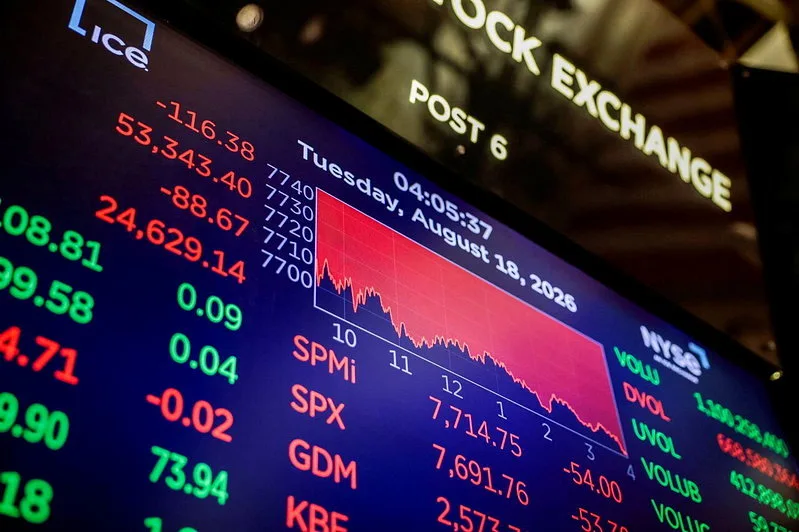
Despite volatility in bond markets, some Wall Street technical analysts see signs of a near-term bottom in US equities. Mark Newton from Fundstrat said he views the recent pullback as an opportunity, expecting a rebound and increased market volatility through September [5]. Analysts point to resilient market breadth, steady credit spreads, and low volatility ratios as reasons for limited equity downside [5].
Nobel laureate economist Paul Krugman cautioned that while higher yields are a concern, they do not signal an imminent US debt crisis due to the country’s ability to issue debt in its own currency [4]. As of July 29, the Federal Reserve held interest rates unchanged amid these inflation and market uncertainties [1].
Market participants will closely watch upcoming Treasury auctions and any future Fed guidance on rates for signs of how long yields will remain elevated.