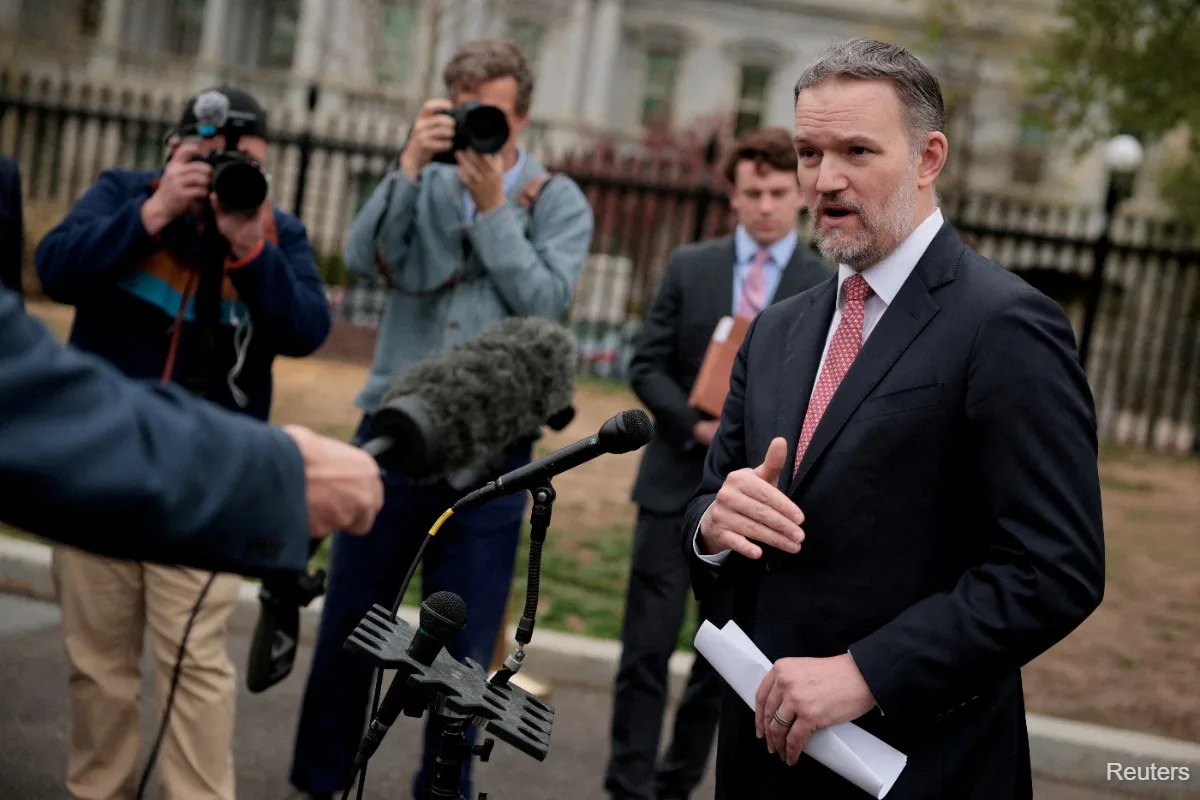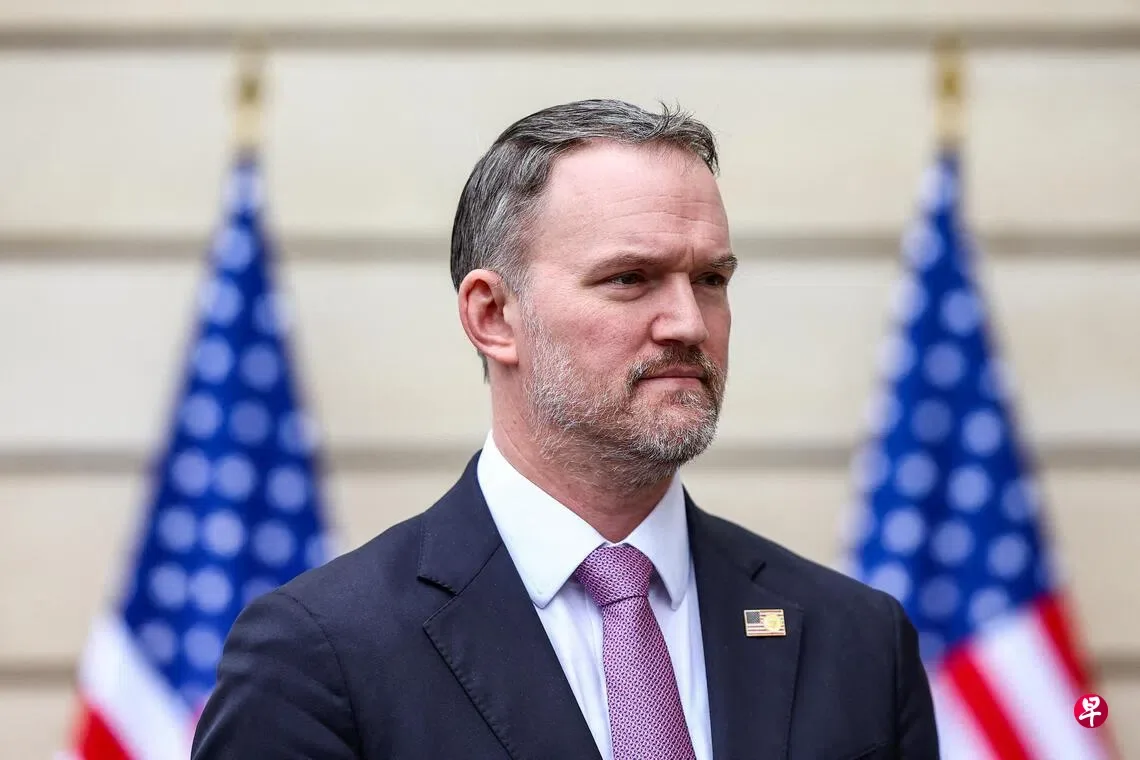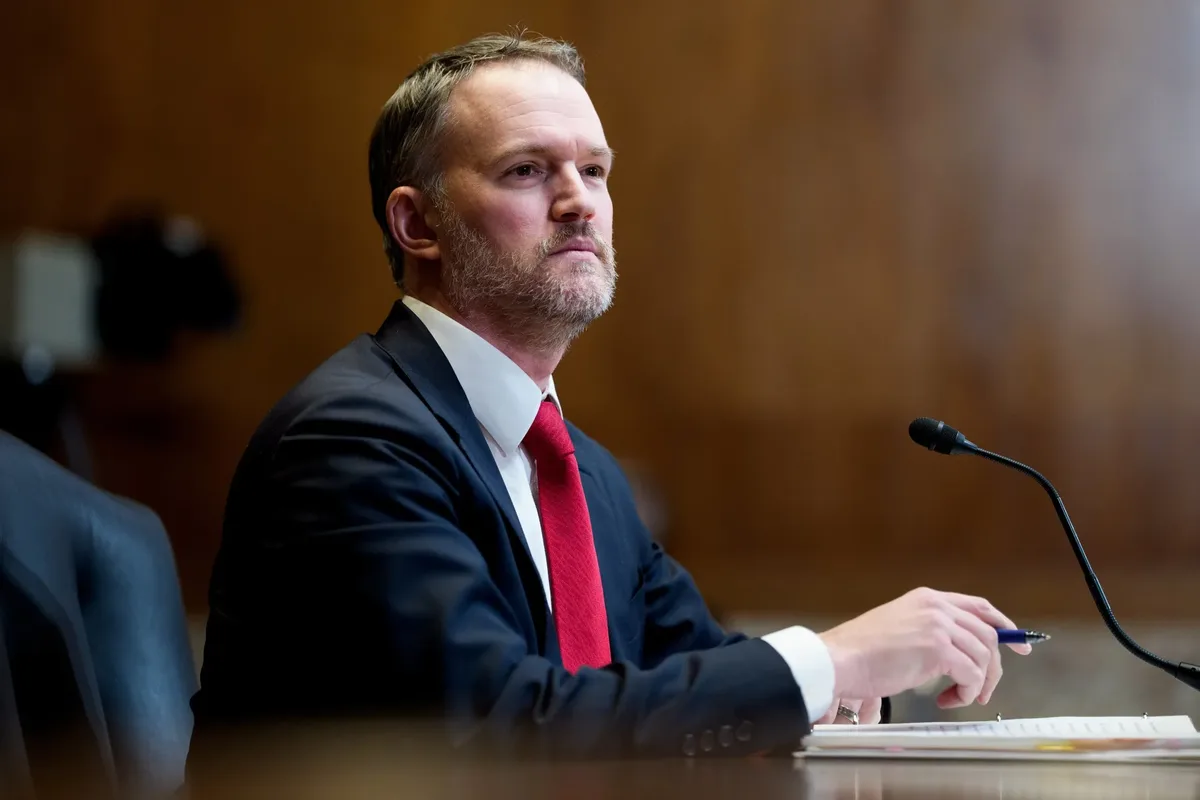
The United States announced plans to impose new tariffs of at least 10% on imports from 60 economies under a Section 301 investigation targeting forced labor products. The move aims to address concerns that some countries, including the EU and Japan, allow forced labor goods to enter their markets, harming US workers by undercutting costs [1, 2, 3, 4, 5, 6, 7].
US Trade Representative Jamieson Greer confirmed the administration’s commitment to respecting tariff caps established in existing trade agreements. "A deal’s a deal," Greer said, emphasizing that the US will uphold the 15% tariff cap agreed with the EU, Japan, and other partners [1, 2, 3, 4, 8, 5, 6, 9, 10, 7]. Under the forced labor tariff plan, the EU would face a 10% tariff, and Japan would face around 12.5%, both below the 15% cap [2, 3, 4, 5, 6, 10, 7].
Greer said the Section 301 investigations give President Donald Trump the legal authority to impose these tariffs. He added: "These two things can coexist: investigating unfair trade and respecting existing trade agreements." The announcement was made publicly on June 2, 2026, with Greer reiterating details during an OECD ministerial meeting in Paris on June 4 [2, 3, 4, 5, 6, 10, 7].
A second Section 301 investigation is ongoing, focusing on excess manufacturing capacity among 16 major US trading partners, including the EU and Japan. The results of this probe are expected within weeks and could lead to tariffs exceeding the 15% cap unless previous agreements restrict such actions, Greer noted [2, 3, 4, 5, 6, 10, 7].
The new forced labor tariffs will not take effect immediately. Public comments are open until July 6, followed by formal hearings before any implementation [3].
Some nations have voiced objections: Brazil opposes the tariffs, calling them unjustified and submitting information to challenge the US findings. Indonesia faces a proposed 10% tariff but has sought exemptions for 18 products that may be granted. Singapore denies involvement with forced labor products and continues diplomatic engagement with the US [3, 4, 7].
EU Trade Commissioner Maros Sefcovic supported honoring trade commitments, stating, "We all agree a deal is a deal, meaning the 15% comprehensive tariff agreed at Turnberry stands for the EU." The EU plans to ban all products involving forced labor in its market by December 2027 [4, 10, 7].
US officials also cited difficulties in talks with Canada, where tariff retaliation has complicated negotiations. Meanwhile, Greer noted Trump's trade policies have reduced the US trade deficit with China by 30% [8].
The public consultation deadline for the forced labor tariffs is July 6, after which hearings are scheduled. The administration is expected to release findings from the second Section 301 investigation within the coming weeks [3].