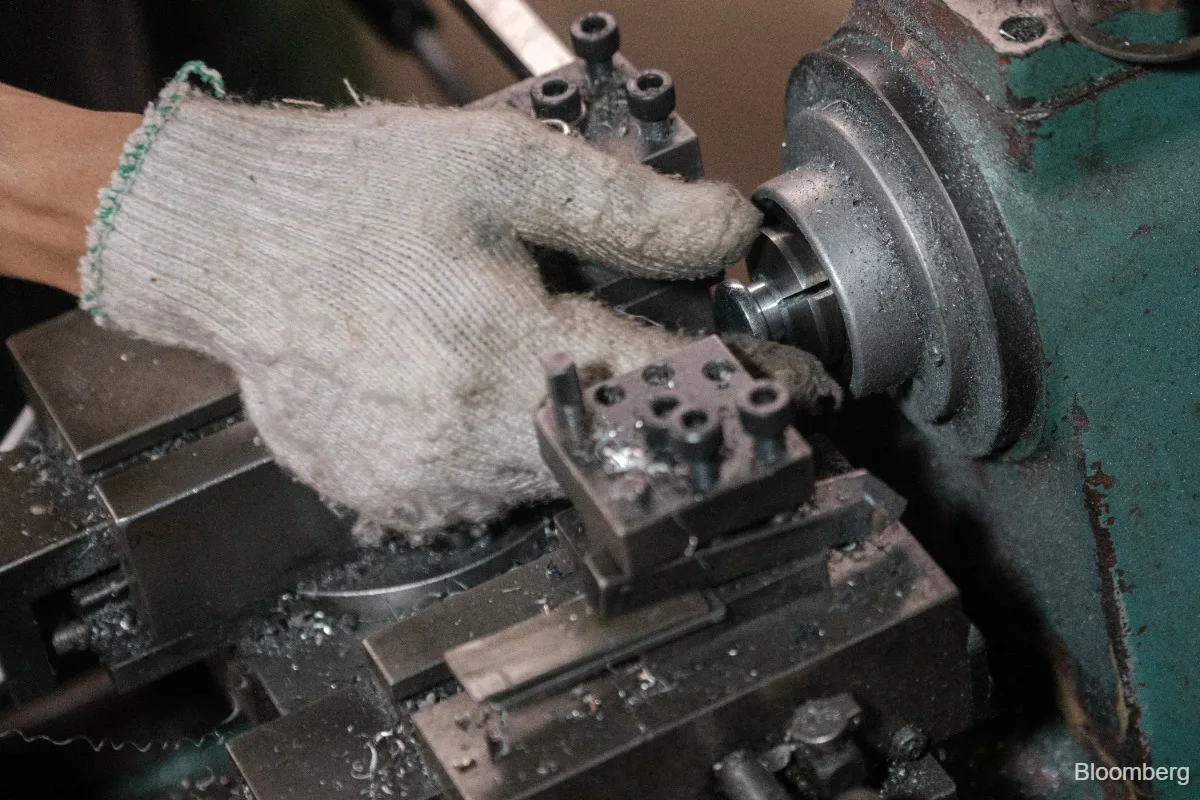
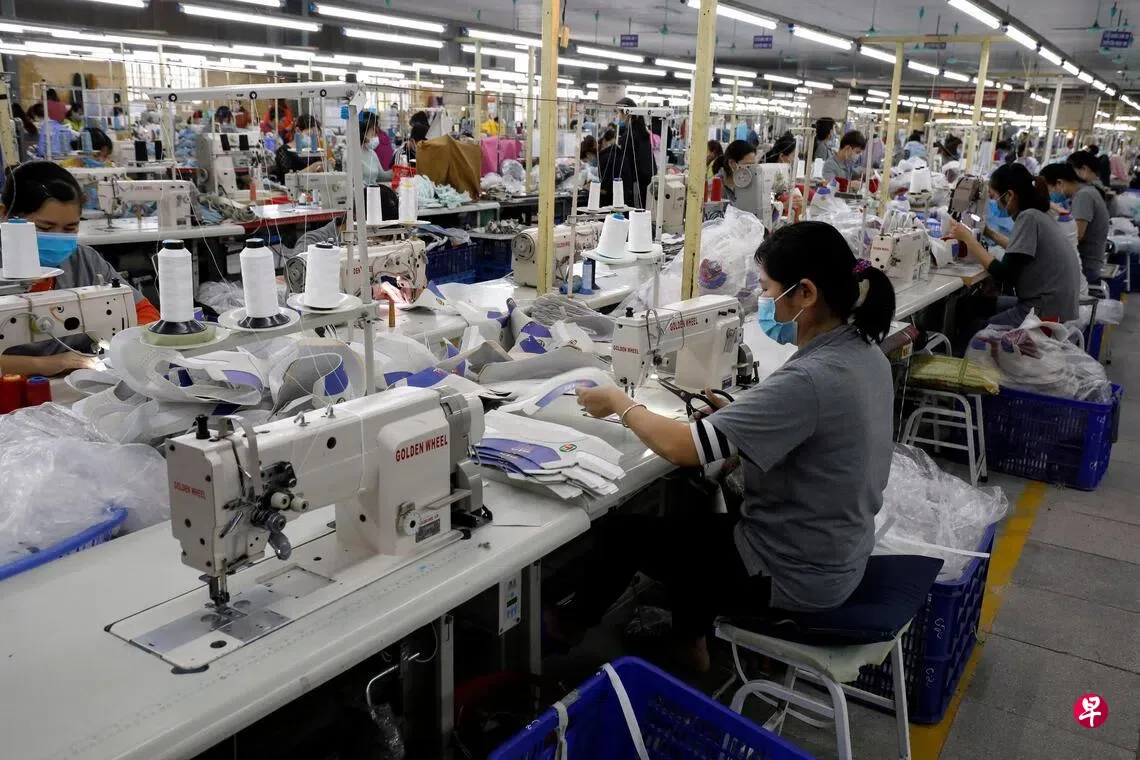
US Customs and Border Protection officials began spot inspections July 27 at factories in Vietnam connected to China, seeking to verify how much value is added locally before exports to the United States and to investigate software intellectual property rights violations [1, 2, 3]. Inspectors reviewed documents, raw material sources, and production processes in the factories to determine origin and compliance [3, 4].
US Trade Representative Jamieson Greer publicly accused some shipments of being "purely illegal," where Chinese goods are sent to Vietnam and falsely labeled as "Made in Vietnam" with minimal transformation. He said, "There’s a pure illegal shipment where they send it to Vietnam and put on a Made-in-Vietnam sticker" [3].
Though the inspections have not yet uncovered significant evidence of Chinese goods illegally transshipping through Vietnam, the investigations have raised fears the US may impose new tariffs on Vietnamese exports [3, 1]. On July 24, the US imposed a 12.5% tariff on Vietnam citing forced labor concerns in supply chains, a decision the Vietnamese Foreign Ministry rejected as not fully reflecting their efforts to prevent forced labor, including banning imports made with it [3, 4].
Vietnam is currently under three simultaneous US Section 301 investigations on intellectual property, industrial overcapacity, and trade practices—more than any other country [4]. It has responded to US criticisms by submitting a 3,581-page report detailing nearly 20,000 IP infringement cases handled from 2021 to 2025 and enforcing laws against counterfeiting, including seizing 50,000 pairs of counterfeit Nike shoes [5, 6].
Vietnam has become a critical manufacturing hub for US brands such as Nike and Apple as companies diversify production away from China amid trade tensions [4]. However, the US views Vietnam's large trade surplus of around $178 billion as unfair and a key issue in economic relations [4].
The US and Vietnam have been negotiating a trade framework agreement since October 2025, focusing on transshipment rules, non-tariff barriers, IP protection, and economic security cooperation. Laura Schwartz, a senior Asia analyst, said the talks are difficult because of the high stakes for Vietnam, particularly on the transshipment issue, and that pressure will increase if tariffs are imposed based on the inspections [4].