The US dollar index reached an eight-week high near 99.4 in early June, supported by solid US economic data and escalating tensions with Iran in the Middle East [1, 2, 3, 4, 5, 6, 7, 8, 9, 10].
On June 5, US May nonfarm payrolls showed a gain of 85,000 jobs with unemployment steady at 4.3%, slightly exceeding expectations and reinforcing the view of a resilient labor market [2]. This followed April’s robust job openings at 7.618 million, the highest in nearly two years [6, 8]. US manufacturing PMI also beat forecasts, rising to 54 in May from 52.7 in April [5, 10].
The strong data lifted US Treasury yields and boosted expectations of further Federal Reserve rate hikes. Markets price in a 100% probability of a 25 basis point increase by end 2026, with about a 60% chance of a hike by October 2026. The Fed is set to meet June 16-17 under new Chairman Walsh [11, 8, 10]. Beth Hammack of the Cleveland Fed warned the current policy rate "may not be restrictive" if trends persist, signaling potential tightening soon [8].
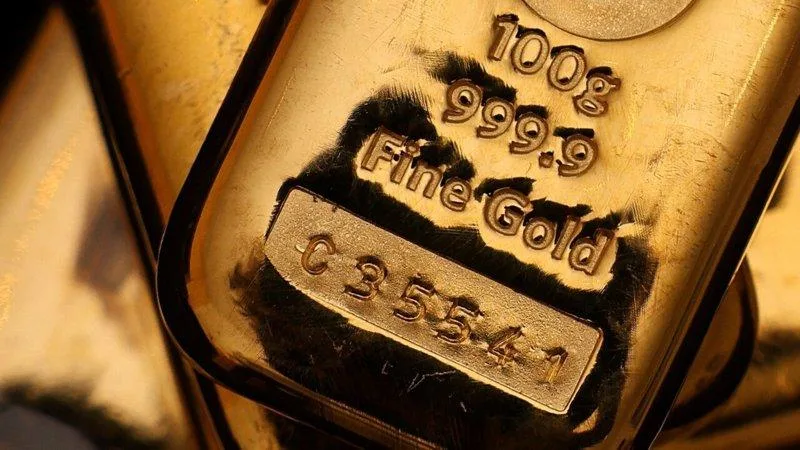
Gold prices dropped sharply by 2.9% to $4,344.79 per ounce on June 5 amid the stronger dollar and rising real yields, despite geopolitical risks. Silver fell 6% to $69.41 per ounce alongside declines in platinum and palladium [11]. Elias Haddad of Brown Brothers Harriman noted "gold faces a double headwind from rising real yields and dollar strength" [11].
Tensions escalated between the US and Iran in early June with military strikes, missile interceptions, and threats to key oil chokepoints such as the Strait of Hormuz and Bab el-Mandeb Strait [11, 3, 5, 7, 9, 10]. Oil prices surged in response, with Brent crude near $95-$97 per barrel and WTI close to $92-$96, bouncing back after May’s declines [3, 4, 5, 7, 9, 10]. President Donald Trump expressed optimism over ceasefire talks and reopening of the Strait of Hormuz, but Iran suspended indirect negotiations, adding to market caution [2, 3, 4, 5].
US stock markets hit record highs in late May driven by AI and semiconductor sectors but showed volatility after June 3 amid the geopolitical and oil price shocks [1, 2, 5, 9, 10]. Meanwhile, Taiwan’s stock index surged nearly 5.8% in May, fueled by demand in AI and semiconductors, closing above 44,700 points [1, 2, 3, 5, 12, 6].
The Japanese yen weakened to near 160 per dollar despite a heavy intervention spending 11.7 trillion yen in May. Finance Minister Satsuki Katayama said authorities remain ready to respond to market volatility but did not comment on currency moves [1, 2, 4, 7].
The next major event is the Federal Reserve’s policy meeting scheduled for June 16-17, when a rate increase is widely expected under new Chairman Walsh [11, 8, 10]. Markets will closely watch for guidance on inflation risks and the path of tightening.