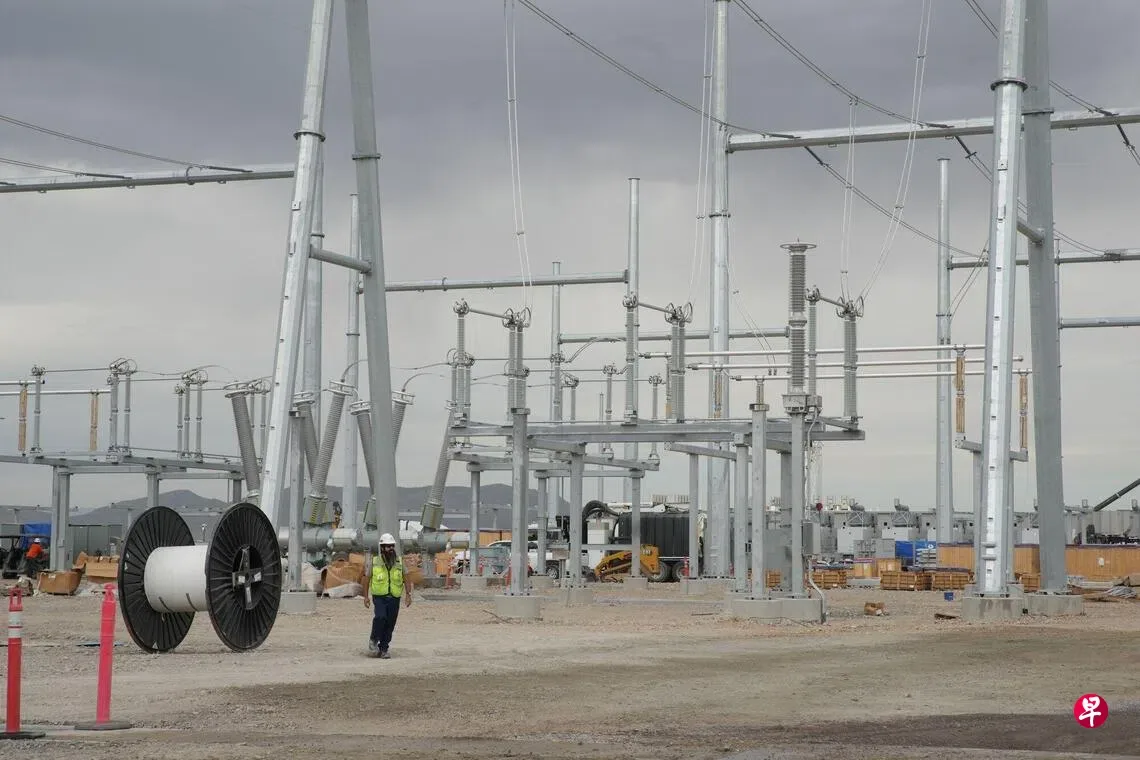
The US economy showed modest growth in the two months leading to early September 2026, led by demand for data center and defense-related projects, according to the Federal Reserve's Beige Book released on September 2 [1, 2, 3, 4, 5, 6, 7]. Manufacturing and construction activity picked up while retail and hospitality sectors saw weaker labor demand [1, 4, 8].
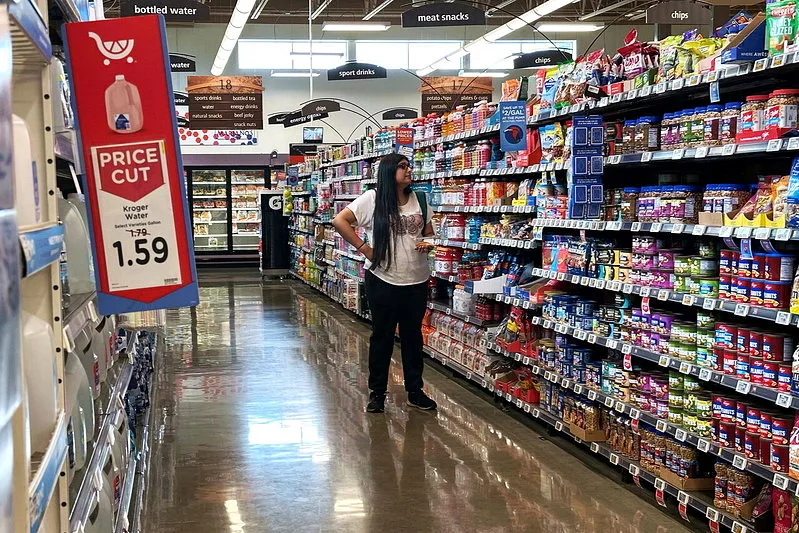
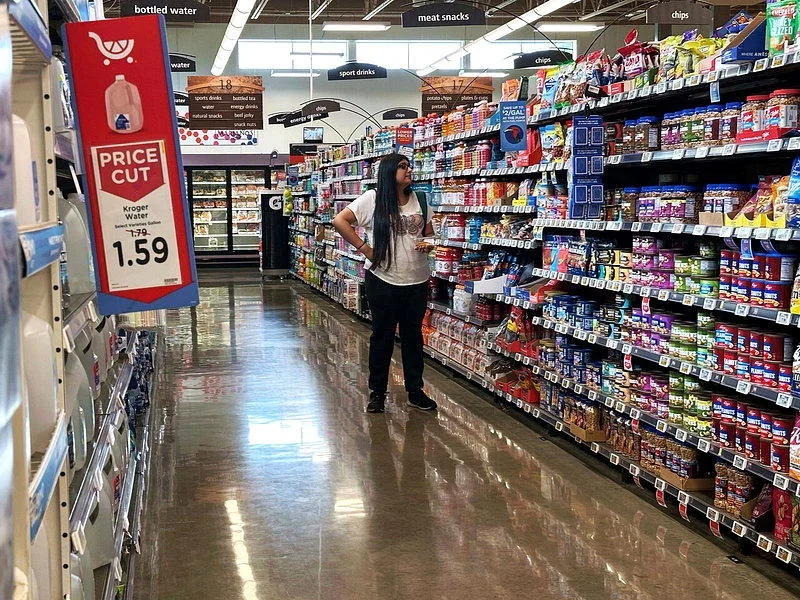
Employment rose slightly, with some Federal Reserve districts reporting modest job gains and others a flat labor market [1, 9, 5, 6]. Consumer spending grew but was limited by increased price sensitivity due to inflation, curbing businesses’ ability to pass costs onto customers [1, 9, 2, 4, 5, 6, 7]. Auto sales remained subdued amid low consumer confidence, high fuel prices, and rising financing costs, though tourism saw increases with strong airline demand despite higher ticket prices [5].
Input cost pressures remain elevated across industries, particularly manufacturing and construction, driven by rising energy, transportation, raw materials, tariffs, healthcare, and insurance costs [9, 2, 3, 4, 5, 6, 7]. Price increases were reported in all 12 Federal Reserve districts, with around two-thirds citing moderate hikes and the St. Louis district noting strong price increases [2, 3, 4, 6, 7]. The Fed’s preferred inflation gauge held steady at 3.7% in July, slightly down from a 4.1% peak in May 2026 [2, 3, 4, 6, 7].
Federal Reserve Chair Kevin Warsh said, "There is still work to do on inflation and I do not see evidence that core inflation trends are moving in the right direction" [2]. The report reflects a "K-shaped" economy where higher-income households are increasing spending while lower-income groups cut back [2, 3, 10, 4, 8, 7]. Economic and geopolitical uncertainties — including high energy prices, tariffs, policy debates, and the conflict in Iran — weighed on overall confidence [1, 9, 2, 3, 10, 5, 6, 7].
Financial conditions slightly improved as loan volumes remained stable or increased across regions, and residential construction declined while nonresidential construction rose, driven by data center projects [5]. New York Fed President John Williams stated, "The current interest rate levels are in a good place that balances employment and price stability, but more economic data are needed before September decisions" [6].
The Federal Open Market Committee is set to meet September 15–16 to decide on interest rates, with markets pricing roughly a 65% chance of a rate hike to address ongoing inflation pressures [9, 2, 3, 10, 4, 8, 6, 7]. The Federal Funds Rate target range stood at 3.50% to 3.75% as of July 2026 [6].