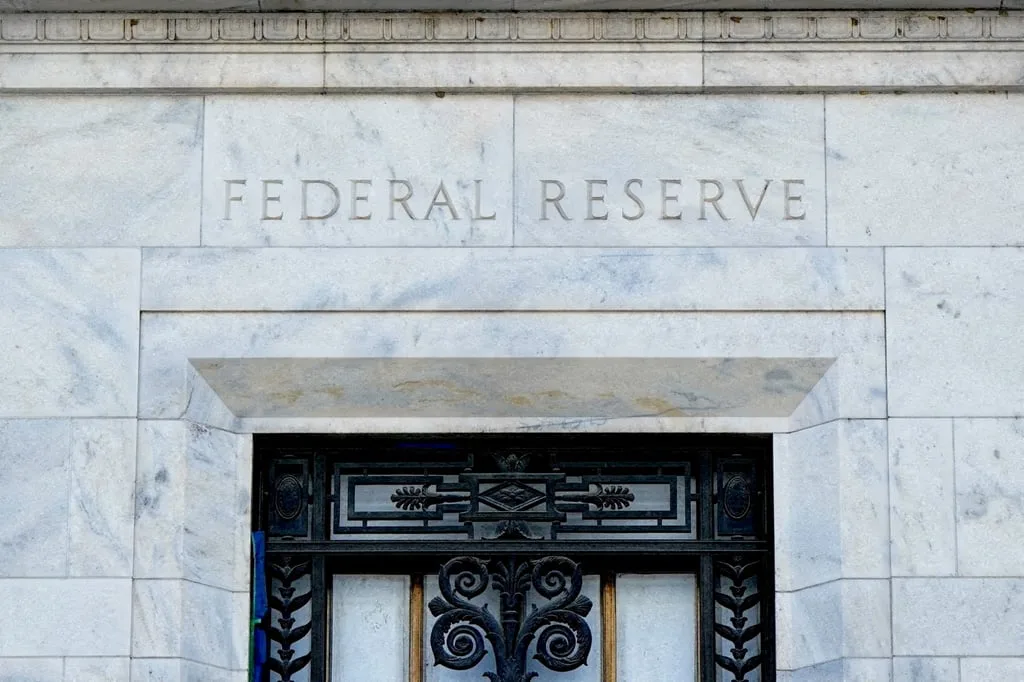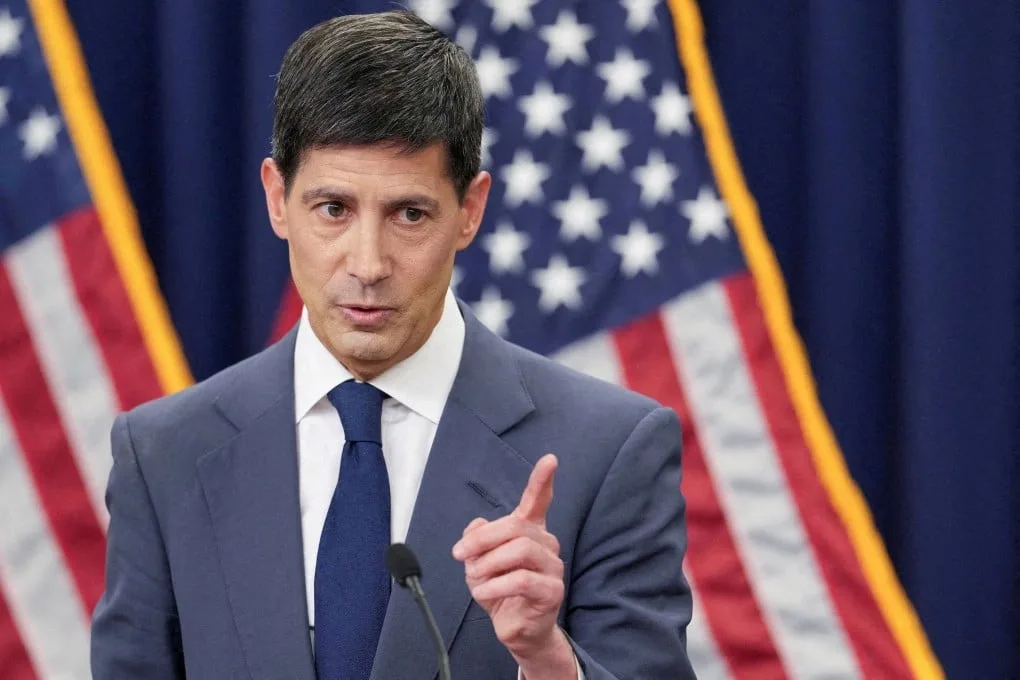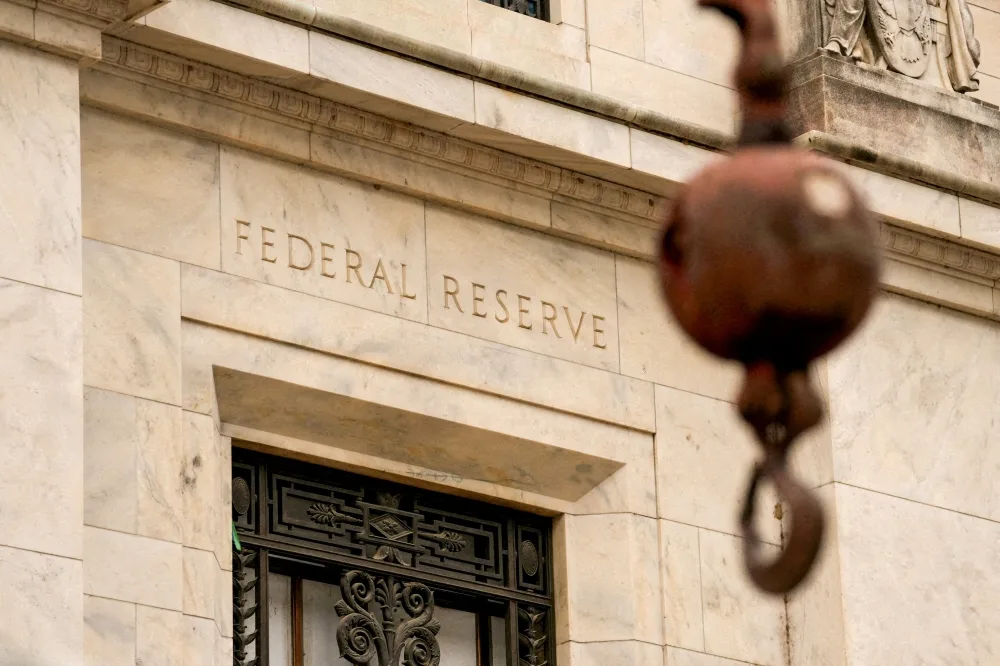
The US Federal Reserve decided on July 29, 2026, to hold interest rates steady at a range of 3.50% to 3.75%, marking the fifth consecutive meeting with no rate change [1, 2, 3, 4, 5, 6]. Three Federal Open Market Committee members dissented, calling instead for a quarter-point increase amid persistent inflation concerns [1, 2, 3, 7, 5].
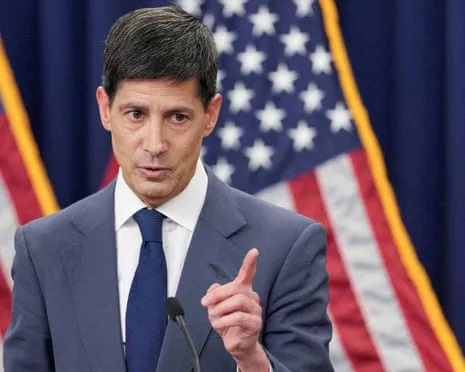
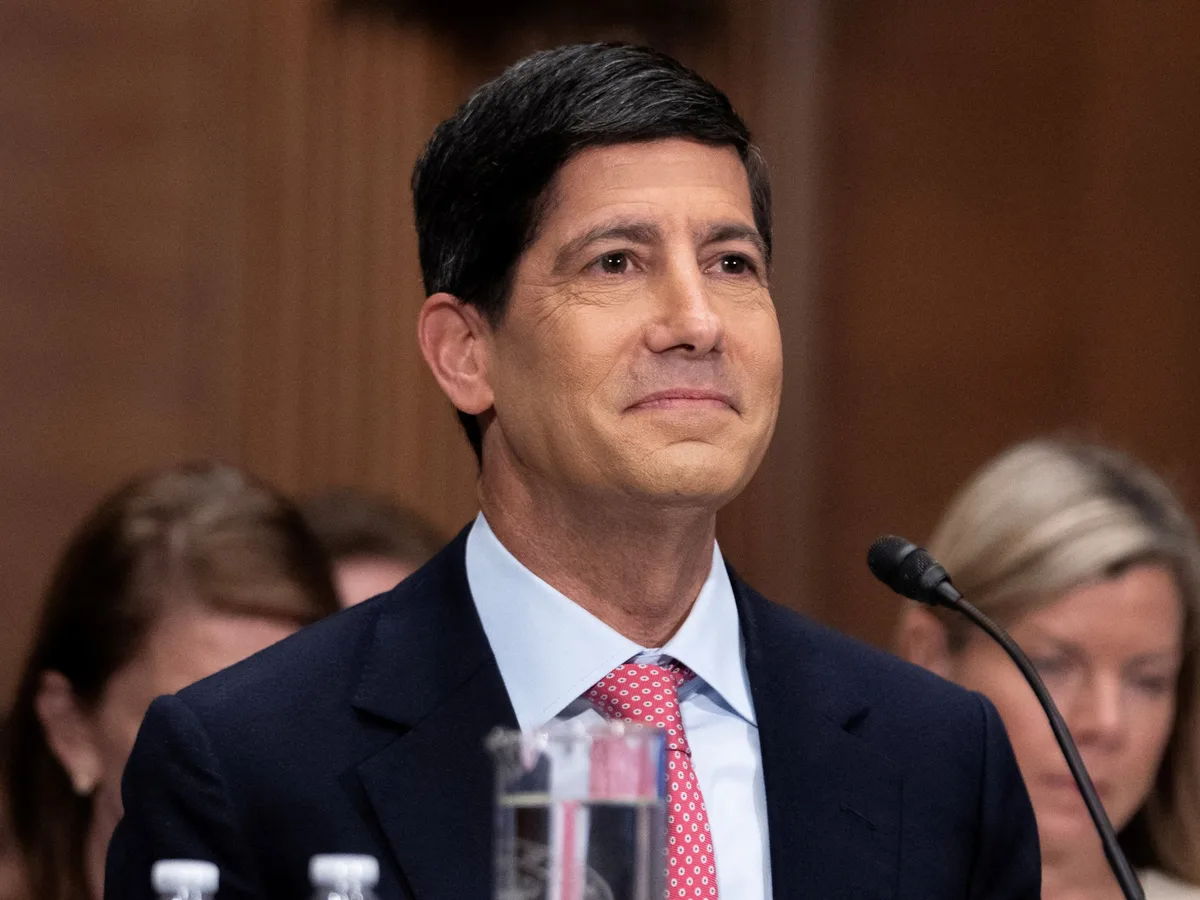
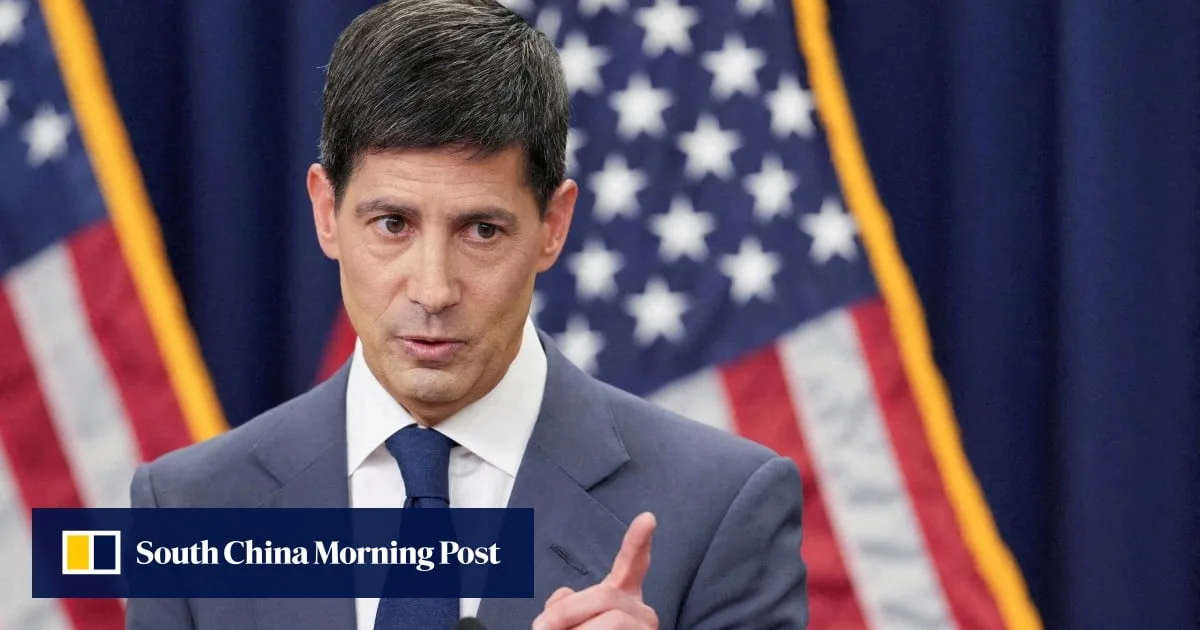
New Fed Chair Kevin Warsh emphasized the committee's firm stance on inflation, saying, "The members of our committee have no tolerance for persistently elevated inflation, and we share a resolute commitment to ensure price stability" [1]. He repeated that inflation "remains elevated relative to the committee’s 2 per cent goal" [2]. June data showed US core inflation at 3.3%, slightly down from May’s 3.4% but still well above the 2% target [7].
The inflation persistence partly stems from supply shocks triggered by the ongoing US-Iran war, which has pushed energy prices higher, adding pressure on overall inflation [1, 2, 3, 4, 5, 6]. Economic growth also slowed to an annualized 1.5% in the second quarter of 2026, below expectations despite stronger consumer spending [7].
Governor Christopher Waller stressed the need for readiness to tighten policy if inflation fails to moderate, stating, "just watching inflation melt away is not an option" [4]. Meanwhile, Fed communication under Chair Warsh has shifted toward a more cautious approach, providing less forward guidance, which has increased market uncertainty about the Fed's future moves [1, 3, 4, 5, 6]. EY-Parthenon chief economist Gregory Daco called it "a highly unusual meeting in the sense that we don’t really know what the Fed chair’s current thinking is" [5].
Warsh took office in May 2026 and launched five task forces to revamp Fed policies, including communication strategies and the inflation framework [1]. The Fed last held rates steady in mid-June at the same level amid mixed signals about upcoming hikes [1, 2, 3].
Market pricing currently shows a 59.2% chance of a rate hike at the September 2026 Federal Open Market Committee meeting [7]. The Fed’s next policy decision is thus highly anticipated amid ongoing inflation above target and global risks.