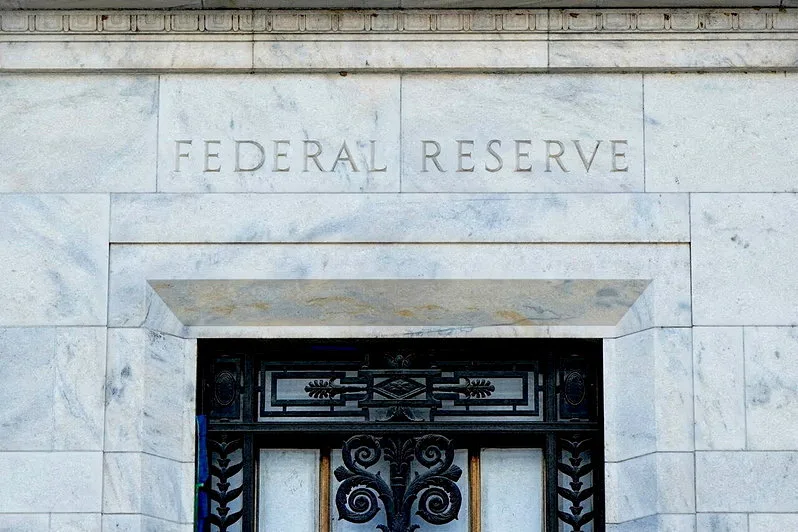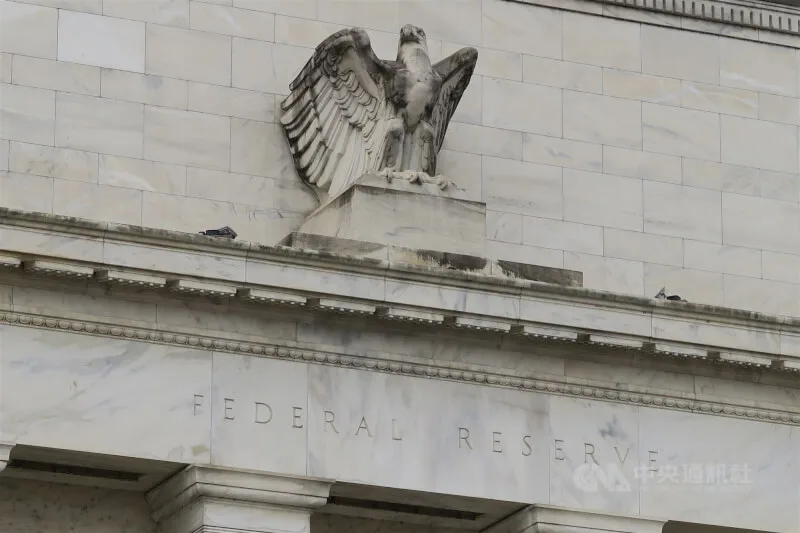
The Federal Reserve's minutes from its July 28-29 meeting showed many officials believe further interest rate hikes may be needed if inflation does not fall, even though the central bank kept rates at 3.5% to 3.75% during that meeting with a 9-3 vote [1, 2, 3, 4]. Three regional Fed presidents dissented, preferring a 25 basis point increase [1, 5, 2, 3, 4].
Officials described inflation's outlook as highly uncertain, citing risks from energy prices and geopolitical factors. The labor market remained stable but recent data pointed to slowing economic momentum, including softer retail sales, employment, and core inflation measures [1, 5, 2, 3].
Market expectations for a rate hike in September have dropped sharply, from over 70% at July's end to about 36%, following weaker economic data releases [1, 3, 6]. However, some Fed officials, like St. Louis Fed President Alberto Musalem, argue acting now with hikes could reduce the need for later more aggressive tightening [4, 7]. Musalem said, “若聯準會現在採取升息行動,可能降低日後被迫進行更激進緊縮的必要性” [4]. On the other hand, Fed Governor Mary Daly saw no evidence to justify preemptive hikes [7].
The Fed has kept the federal funds rate steady for five consecutive FOMC meetings this year through July [2, 3]. Fed Chairman Kevin Warsh proposed in the minutes reducing annual FOMC meetings from eight to six to allow more data to accumulate between sessions, potentially improving policy decisions [1, 2, 3, 4]. Warsh also noted if officials viewed underlying inflation accelerating, they would lean toward tightening policy and possibly revisit inflation targets by January next year [1].
Recent market turbulence was driven by a surge in US Treasury bond yields. The 30-year Treasury yield hit above 5.3% on August 18, a near 20-year high, with the 10-year yield rising sharply as well [2, 4, 7]. The US Treasury unexpectedly increased buybacks of long-term bonds on August 19, causing some volatility and pushing yields down temporarily [2, 4, 7]. This volatility dragged down semiconductor stocks and US tech shares, which in turn affected Taiwan stocks, particularly TSMC's ADRs [2, 3, 4, 7, 8]. Analysts emphasized that market swings stemmed from bond yield spikes and earnings worries, not a collapse in AI technology demand [9, 4, 7, 8].
Following the release of the July meeting minutes on August 20, US stock indexes including the S&P 500 and Nasdaq 100 rose for a third consecutive day, while the US dollar index reached a 20-year high [7, 8]. Gold prices faced pressure amid strong US economic data and the rising bond yields, testing support near $4,450 an ounce [7, 10, 8]. The Fed has quietly increased its holdings of US Treasuries recently, stabilizing its long-term bonds despite efforts to reduce its balance sheet [6].
The next key date will be the upcoming September FOMC meeting. Market participants will closely watch new economic data to gauge whether the Fed will shift toward hiking rates again after holding steady through July and August.