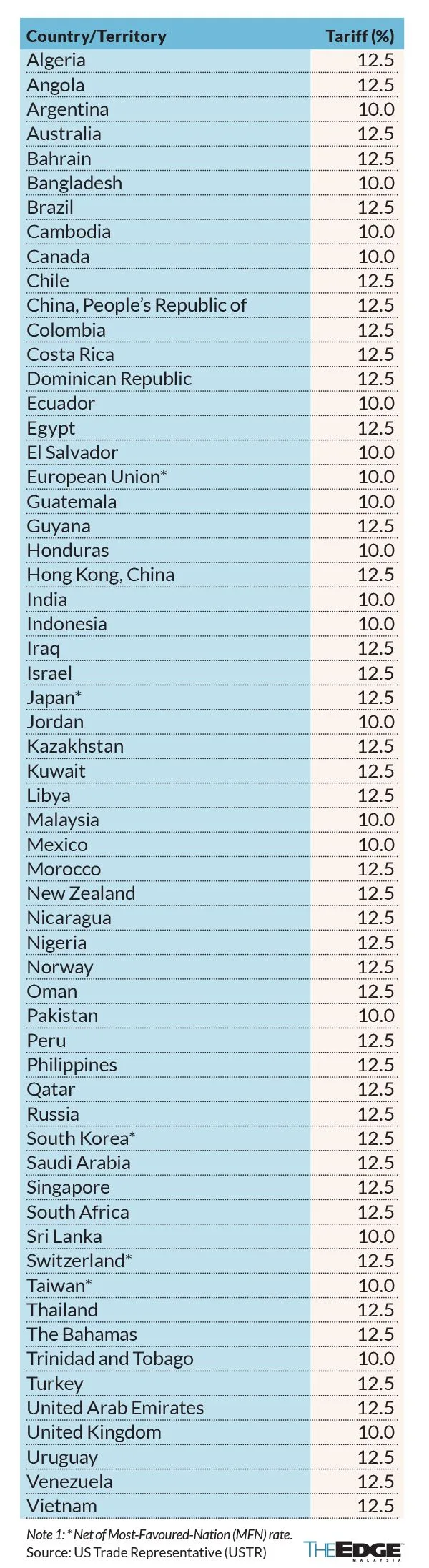
On July 23, 2026, the US announced tariffs of 10% to 12.5% on imports from 60 trading partners, replacing an expiring 10% global duty, with the tariffs taking effect July 24 at 00:01 EDT [1, 2, 3, 4]. The new tariff rates vary by country, with 10% applied to nations that have implemented forced labour prohibitions and 12.5% applied to others [1, 2, 5, 3]. Among those facing the higher 12.5% rates are China, Japan, South Korea, Switzerland, the EU, Singapore, the Philippines, Thailand, and Vietnam [1, 2, 6, 7, 8]. Countries including Canada, Mexico, India, Indonesia, the UK, Malaysia, Argentina, Bangladesh, and Cambodia face the 10% rate [1, 2, 3, 6, 7].
Certain products are exempt from the tariffs. These include steel, aluminum, automobiles and parts, petroleum, natural gas, fertilizers, certain foods, and goods covered under the USMCA agreement [2, 3, 4, 8, 9]. The tariffs cover about 99.4% of imports but exclude strategic materials and items under existing trade deals [4, 8]. Shipments loaded before July 24 are not subject to the new tariffs [3, 9].
The tariff action relies on Section 301 of the 1974 Trade Act, a more solid legal foundation than the prior 1977 IEEPA statute used for former President Trump's tariffs that were struck down by the Supreme Court in February 2026 [2, 5, 3, 4, 8]. This legal shift followed the court’s rejection of many of Trump’s measures [2, 5, 3].
US Trade Representative Jamieson Greer said the tariffs aim "to correct what is both a human rights abuse and distortive trade practice to improve the welfare of workers everywhere" and emphasized that the US enforces a forced labour import ban for nearly a century [1, 2, 3]. He added, "It’s well past time for our trading partners to do the same" [2].
Several targeted nations have criticized the tariffs. Japan’s Cabinet Secretary Minoru Kihara expressed regret over the US imposing tariffs solely for forced labour concerns, stressing Japan’s adherence to international trade norms [7]. Australia called the tariffs unjustified and in violation of trade agreements, with Trade Minister Don Farrell demanding their removal [9]. Malaysia acknowledged the 10% tariff but indicated willingness to negotiate, with Prime Minister Anwar Ibrahim stating, "If there is anything we are dissatisfied with, we will negotiate" [7].
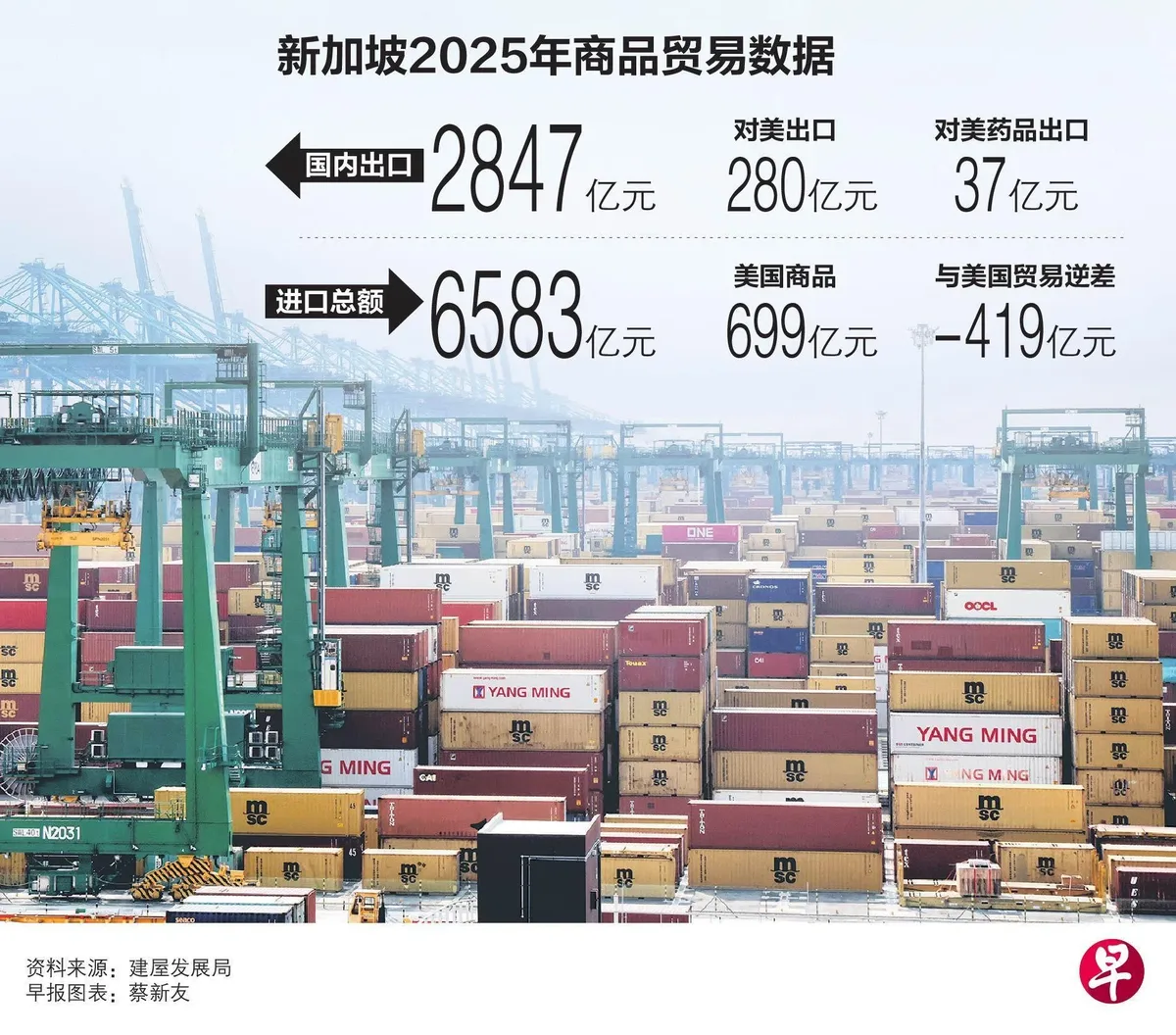
Singapore denies the basis for the tariffs, highlighting its enforcement against forced labour and stressing it should not be a target or "collateral victim". Foreign Minister Vivian Balakrishnan stressed continuing talks with the US [8, 10].
In March 2026, the US launched an investigation into excess industrial capacity in 16 economies including China, India, Japan, and the EU, which may lead to further trade duties [1, 2, 8].
The new tariffs took effect on July 24, 2026, and shipments loaded prior remain exempt. The US continues to engage with affected partners amid disputes over the policies’ justification and implementation [2, 3, 9].