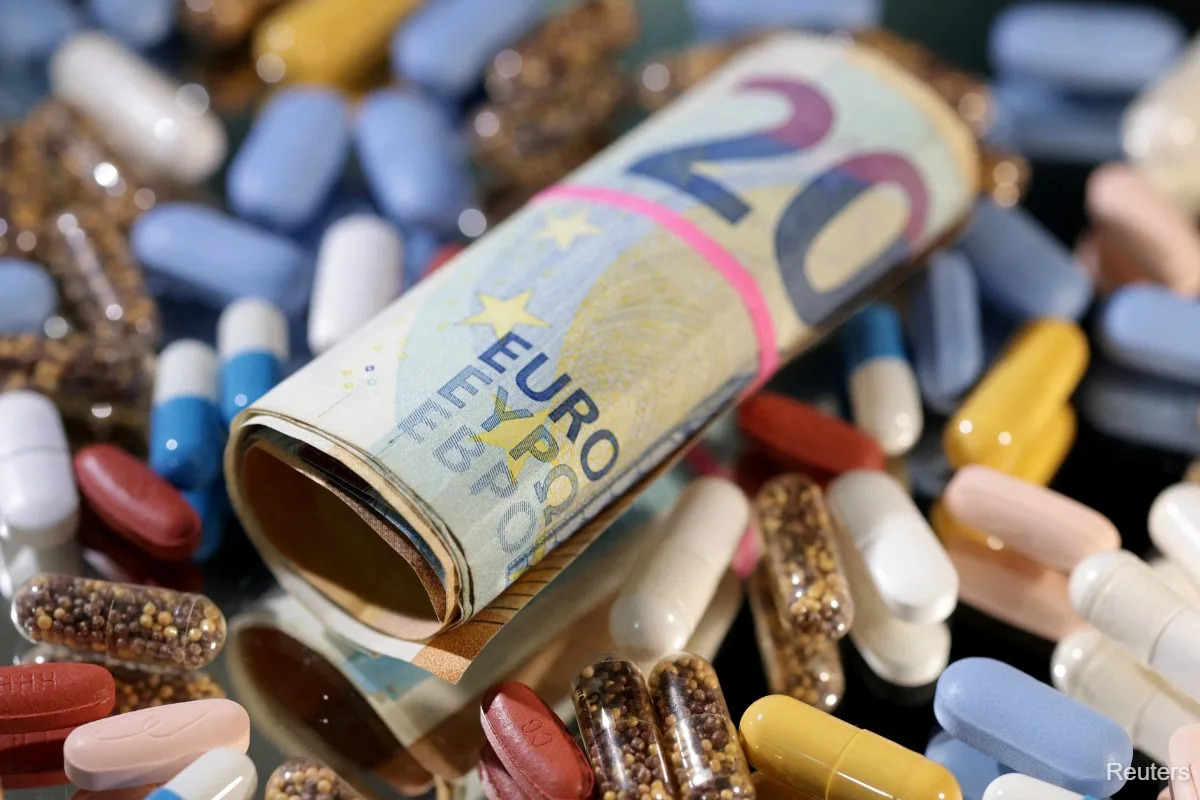
The US Trade Representative announced a trade investigation under Section 301 of the Trade Act of 1974 into Germany's pharmaceutical pricing policies on June 18, 2026. The probe aims to determine if Germany is persistently underpaying for innovative pharmaceutical products in an unreasonable or discriminatory way [1, 2, 3].
The investigation was launched following German plans unveiled in April 2026 by the Ministry of Health to overhaul its statutory healthcare system, targeting a €20 billion funding gap by reducing pharmaceutical spending. Germany is considering legislation involving variable discounts and other cost-saving measures on innovative drugs, which the US views as a worsening of its concerns over underpayment [4, 5].
US Trade Representative Jamieson Greer said, "President Donald Trump has made clear that American patients should not be shouldering a disproportionate share of global pharmaceutical research and development." He added, "I am particularly concerned with news that Germany is fast-tracking legislation that would further reduce its spending on innovative pharmaceuticals." [1, 4]
The investigation could result in retaliatory tariffs on certain German imports. Similar Section 301 probes by the US government have targeted forced labor and industrial overcapacity, with tariffs proposed up to 12.5% [4, 6, 7, 8].
The US office will open a docket for written public comments from June 25, 2026, and plans a public hearing in September 2026 to gather input on the probe [4, 6, 7, 8].
Officials from both countries held months of talks before the investigation to address the pricing issues, but no resolution was reached [3]. Despite the tensions, Greer expressed hope for a resolution, stating, "We believe that the United States and Germany can find a path forward that expands access to the most innovative drugs for the German people while ensuring fair reimbursement for the pharmaceuticals made by American workers." [3]
The investigation is ongoing, with public engagement scheduled in the coming months. The docket opening on June 25 marks the next key milestone, followed by the public hearing in September.