The U.S. Trade Representative (USTR) proposed tariffs ranging from 10% to 12.5% on imports from 60 economies for allegedly failing to enforce bans on goods made with forced labor. The announcement came on June 2, 2026, following a Section 301 investigation authorized under the 1974 Trade Act [1, 2, 3, 4].
Of the 60 economies targeted, 54 were deemed to have not imposed or enforced effective forced labor prohibitions, while 6, including Canada, Ecuador, the European Union, Indonesia, Mexico, and Pakistan, were found to have partially implemented such measures [4, 5, 6]. Economies that have adopted or partially adopted forced labor import bans face proposed tariffs of 10%, while those that have not face a higher rate of 12.5% [1, 2, 3, 7, 4, 6].
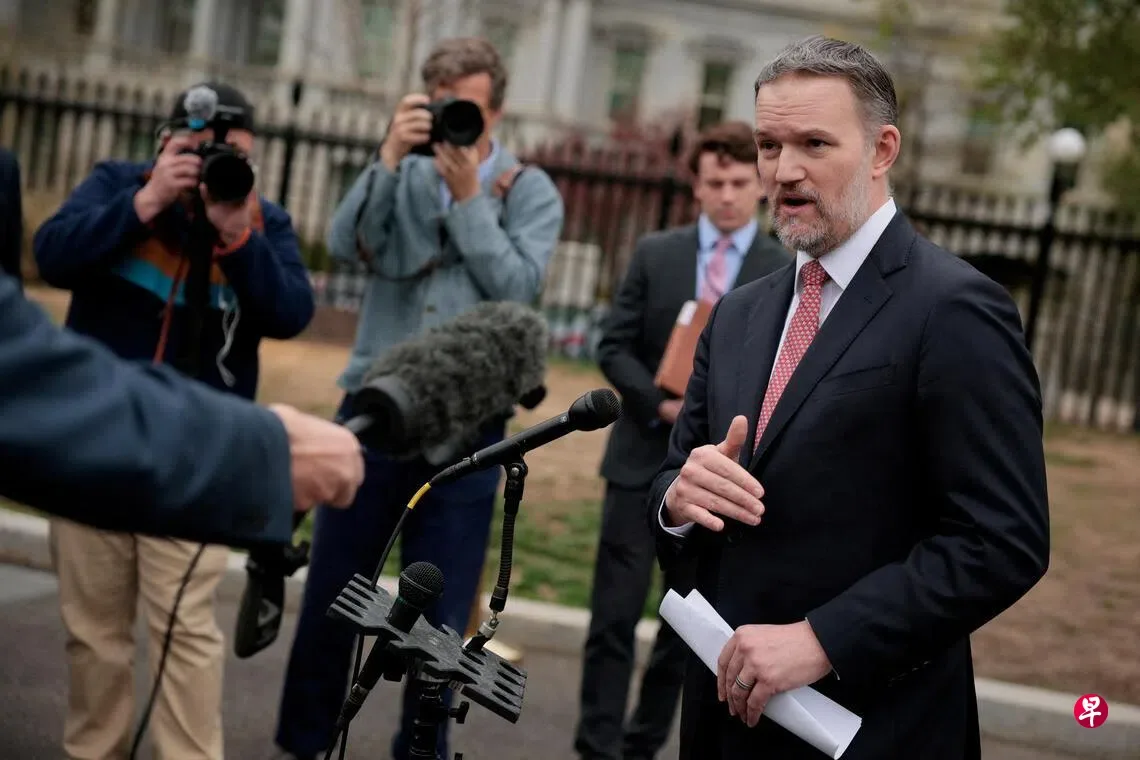
The USTR Jamieson Greer said, "The failure of our most important trading partners to address the importation of goods made with forced labor is unacceptable. This creates a dynamic where American workers are forced to compete globally on an unlevel playing field" [3].
The proposed tariffs come after the U.S. Supreme Court's February 2026 decision invalidated Trump-era global tariffs imposed under the International Emergency Economic Powers Act (IEEPA). The USTR launched the forced labor trade investigation in March 2026 under Section 301 of the Trade Act to address these concerns [1, 8, 4, 5].
While tariffs would generally apply at the 10% or 12.5% rates, some products such as beef, coffee, bananas, textiles, and apparel could be exempt or subject to lower duties through quota mechanisms [1, 2, 3, 7, 5, 6].
China, one of the targeted economies, strongly denied the allegations of forced labor in its supply chains. A Chinese Foreign Ministry spokesperson said, "China opposes all forms of unilateral tariff measures, trade wars are harmful, and China does not have so-called forced labor," calling the U.S. action political manipulation [2, 4].
Taiwan was among the economies proposed for the lower 10% tariff, reflecting its trade commitments with the U.S. However, some sources list Taiwan among those failing to enforce import bans effectively, reflecting some disagreement on classification [1, 4, 5, 6].
Malaysia is also proposed to face a 10% tariff. Its government noted the tariffs remain at the proposal stage and are not final. Malaysia has no domestic forced labor but lacks mechanisms to verify forced labor in third-country imports, causing U.S. concerns. Current temporary 10% tariffs on Malaysia will expire in July 2026, after which the proposed tariffs may take effect pending negotiations [6, 9, 10]. The Malaysian Minister said, "These measures will only affect enterprises exporting to the U.S. Compared to a potential 19% tariff, the current 10% is better. After the 150-day temporary 10% tariff expires, the new 10% tariff will take its place" [9].
The proposal is not yet in effect. A public comment period is open until July 6, 2026, with public hearings scheduled for July 7, 2026, before the tariffs could be finalized and implemented [1, 2, 3, 7, 4, 5, 6].