Since May 1, 2026, the US Centers for Disease Control and Prevention (CDC) has recorded cyclosporiasis infections in 34 states, with thousands affected, mainly in Michigan, Ohio, and New York [1, 2, 3, 4].
Michigan has reported between 3,300 and over 5,000 confirmed cases, making it the hardest-hit state. Over 40 people in Michigan have been hospitalized [1, 2, 3, 5, 4, 6]. Ohio’s northwest region also recorded more than 500 cases [3]. Nationwide, about 141 patients have required hospitalization, but no deaths have been reported so far [1, 3, 5, 4].
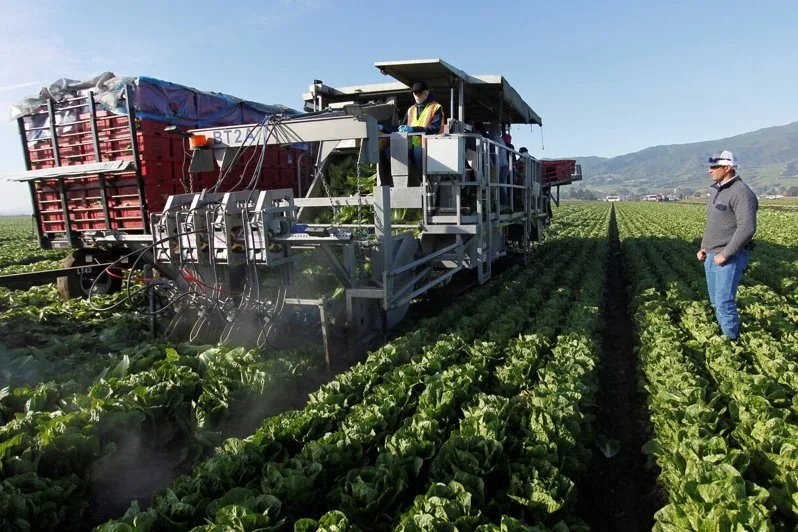
Cyclospora infection is caused by a microscopic parasite that enters the human body through consumption of fecally contaminated food or water. Fresh produce such as lettuce, salad greens, cilantro, and berries are common sources [1, 2, 7, 5, 4]. Symptoms include severe watery diarrhea, nausea, vomiting, and abdominal cramps that can last weeks, with possible relapse [1, 7, 5].
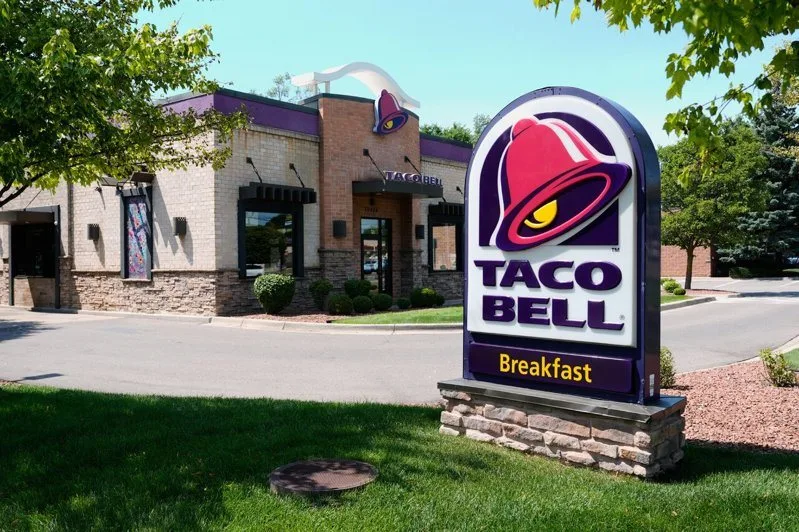
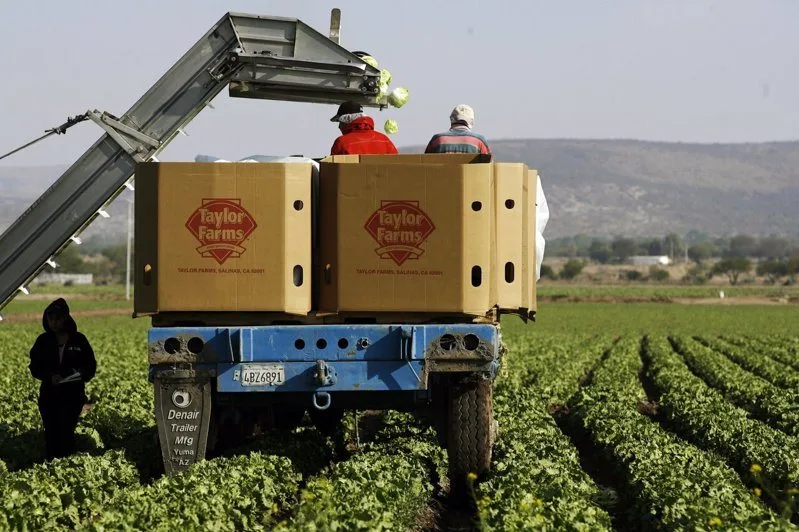
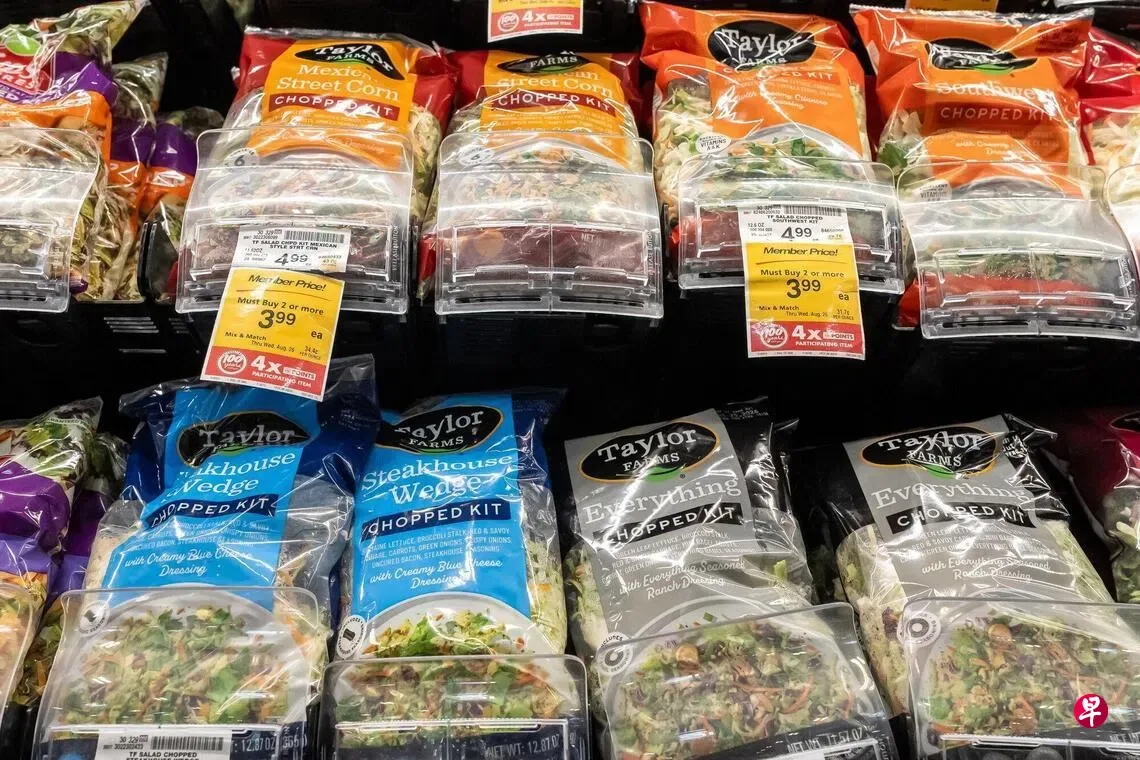
The US Food and Drug Administration (FDA) and CDC are investigating multiple possible contamination sources. Lettuce and salad greens are highlighted as likely vehicles. The fast food chain Taco Bell has voluntarily suspended use of lettuce and cilantro in some restaurants during the probe, though no direct link has been confirmed [1, 5, 8, 4, 6]. Walmart withdrew four Taylor Farms packaged iceberg lettuce products from select stores on July 18 as a precaution [2].
Traced infections face an incubation period of 2 to 14 days. The delay, along with patients’ difficulty recalling all consumed foods, complicates pinpointing the exact source. Melania Firestone, a foodborne disease researcher at the University of Minnesota, noted that many common food poisoning tests do not detect Cyclospora, which cannot yet be cultured in labs, increasing tracing challenges [2, 3, 7, 5, 4].
Michigan’s Chief Medical Executive Natasha Bagdasarian said, "This is clearly related to the outbreak, but the source has not been identified," and stressed informing residents so protective measures can be taken [3, 5]. FDA Acting Deputy Food Director Donald Prater said, "There is no food that the public currently needs to avoid" [4]. Health advisories recommend washing produce thoroughly with soap and water (not alcohol-based sanitizers), cooking vegetables to 70°C, and maintaining good hygiene [7].
The outbreak has focused on summer months, consistent with previous cyclical patterns running May through August [5, 4, 6]. As of August 7, investigations continue to clarify infection sources and contain the outbreak.