US President Donald Trump launched a military campaign against Iran in February 2026, called Operation Epic Fury by the US and Operation Roaring Lion by Israel [1, 2, 3]. Despite three months of conflict, Iran maintains control over the Strait of Hormuz and has resisted US demands to curb its nuclear program [1, 4, 5, 3]. Iran continues to operate its military and government despite economic and military damage caused by the campaign [1, 5, 6].
Trump has repeatedly claimed complete victory in the conflict, asserting the US has met or surpassed all military objectives and that all options remain open, according to White House spokeswoman Olivia Wales [1]. She stated, "The U.S. has met or surpassed all of our military objectives in 'Operation Epic Fury'. President Trump holds all the cards and wisely keeps all options on the table" [1]. Yet analysts and media outlets question these claims as unconvincing, citing the unresolved nuclear issue and Iran's continued strategic strength [1, 4, 5, 6, 3].
Aaron David Miller, a former Middle East negotiator, said, "We’re three months in, and it’s looking like a war that was designed to be a short-term romp for Trump is turning into a long-term strategic failure" [1]. Iran's control of the Strait of Hormuz allows it to disrupt about 20% of the world’s oil and gas supply, giving Tehran significant leverage amid the conflict [1, 3]. The US and Gulf Arab allies risk emerging weaker while Iran may gain negotiating power despite the military and economic pressures it faces [1, 5, 3].
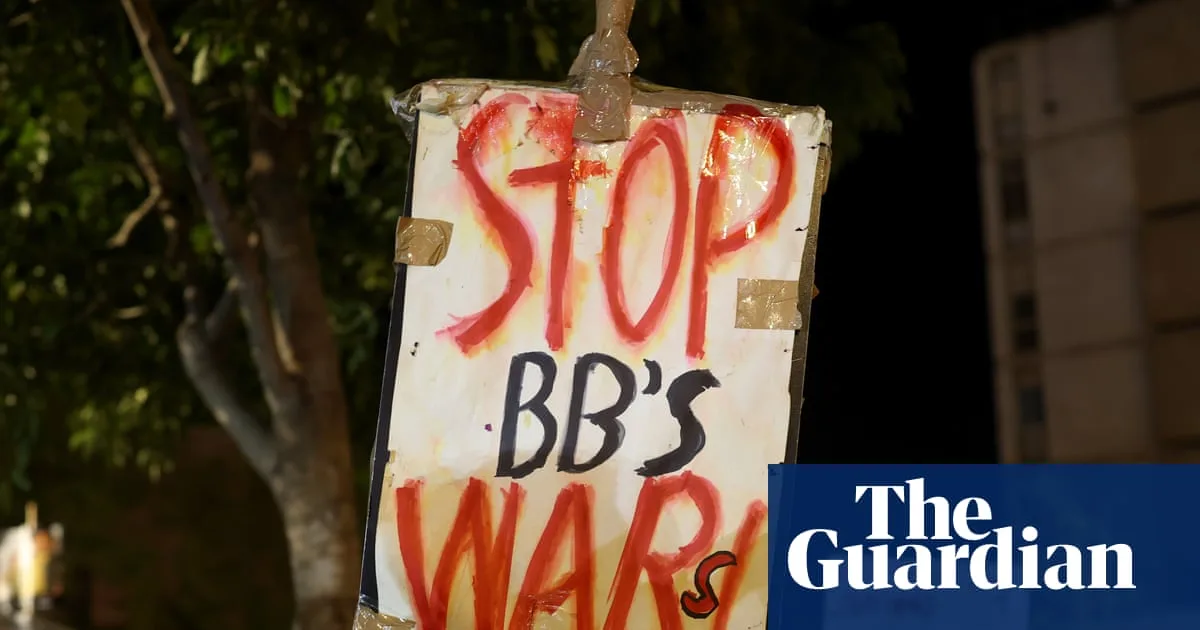
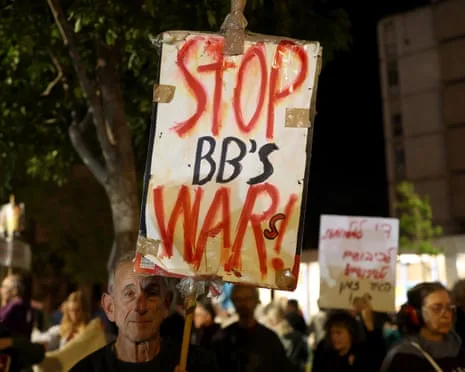
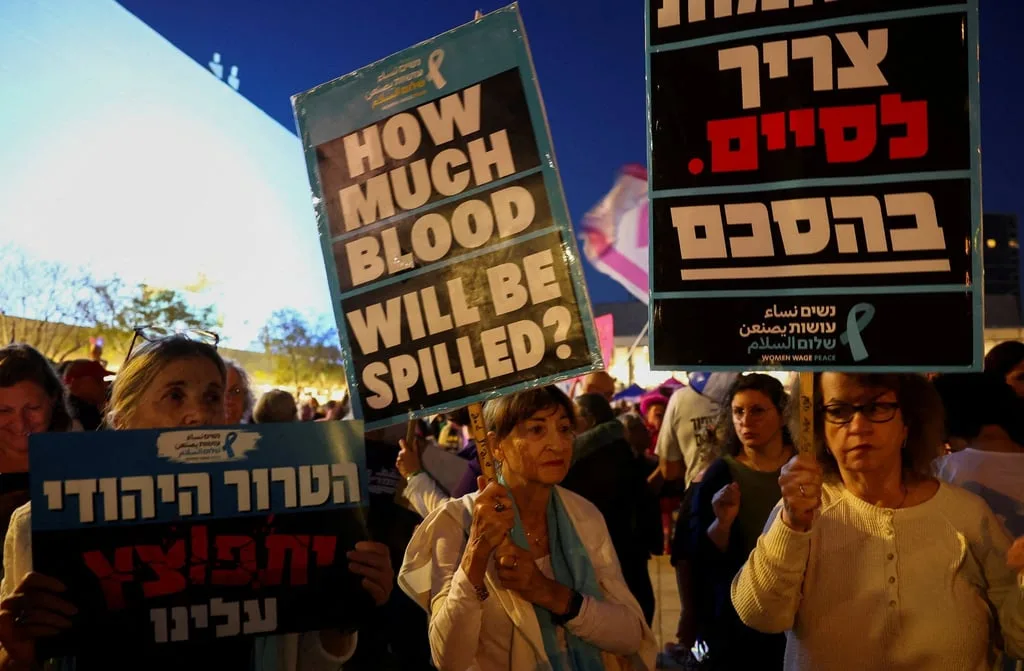
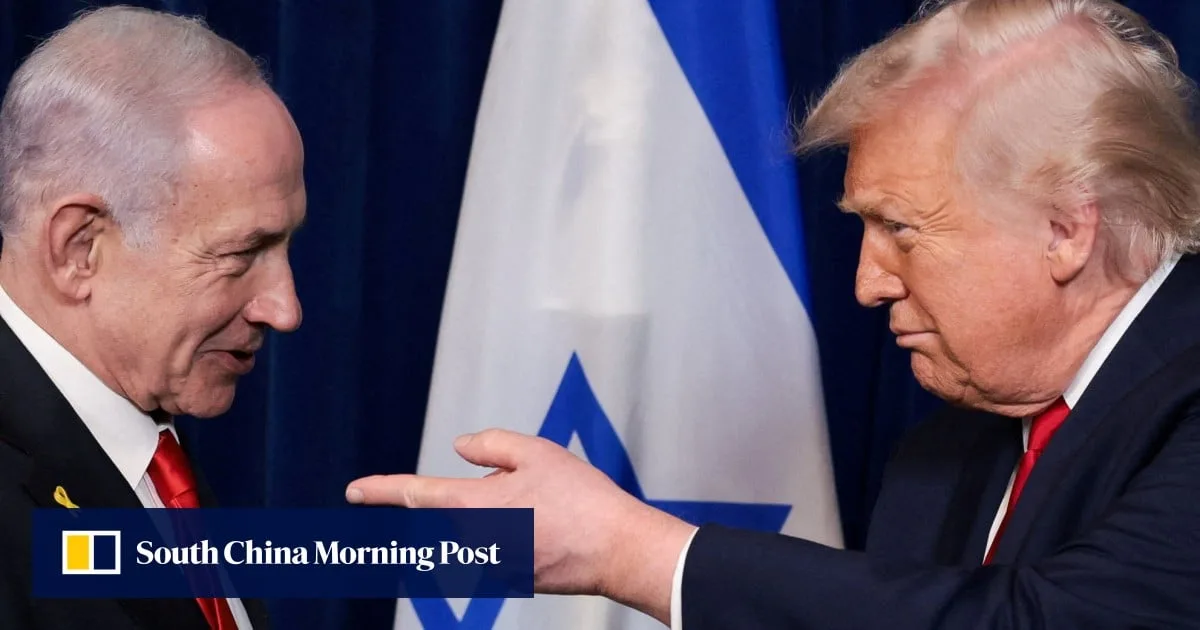
On May 23, Trump announced on social media that a preliminary peace deal with Iran had been largely negotiated [7]. However, the proposed agreement alarmed Israel, which has been excluded from the negotiations and depends on regional allies for intelligence on Iran's activities [2]. Israeli officials and commentators see the deal as weaker than the 2015 Iran nuclear accord (JCPOA) and accuse Trump of sidelining Israeli interests. Nahum Barnea, an Israeli commentator, warned, "The greater the fury, the greater the roar, the greater the defeat," while Ben Caspit said, "If they [Iran] do come to possess a nuclear bomb, it will be Bibi’s bomb," referring to Prime Minister Netanyahu [2]. US political figures such as Senator Ted Cruz and former Secretary of State Mike Pompeo have condemned the possible deal as appeasement [7].
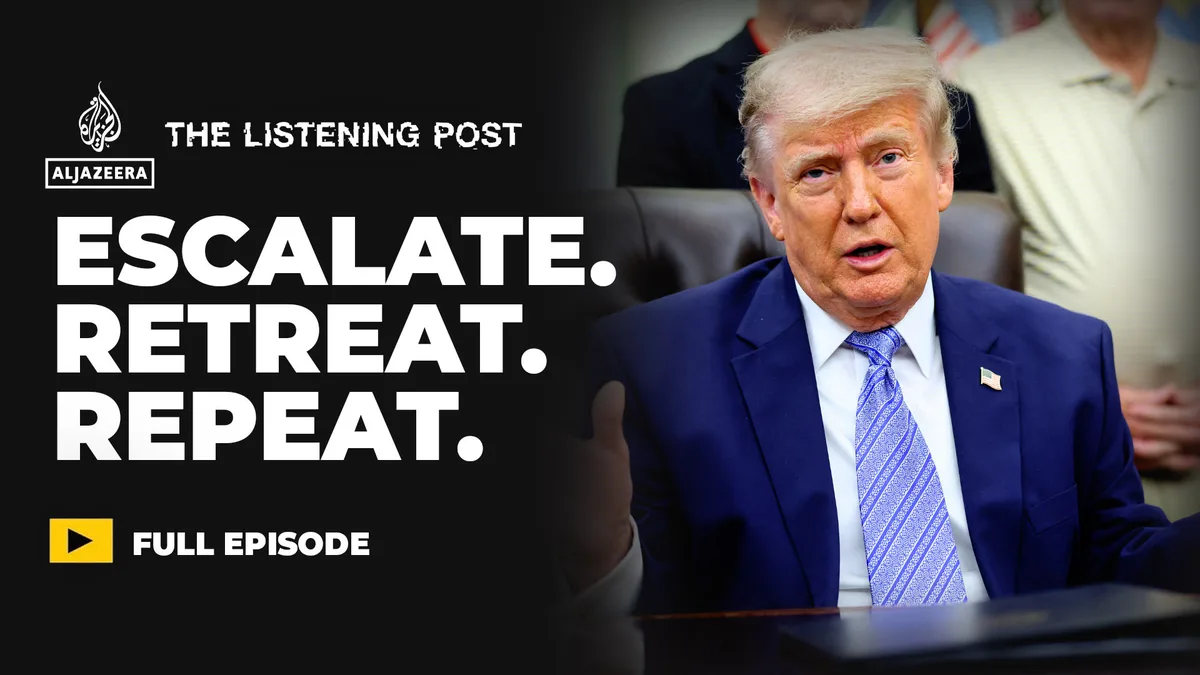
Some analysts warn the conflict could prompt Iran to accelerate its nuclear weapons development due to perceived US failures, though the official US position does not acknowledge this possibility [5, 1, 3]. Trump faces a difficult choice between accepting an imperfect diplomatic agreement or risking renewed military escalation with long-term consequences, as his approach has involved cycles of escalation and retreat criticized for lacking clarity [5, 6].
The conflict’s next phase depends on how the final peace deal is implemented and whether the unresolved nuclear issues are addressed. The preliminary deal remains under active discussion as the US, Iran, and regional players continue tense negotiations [7].