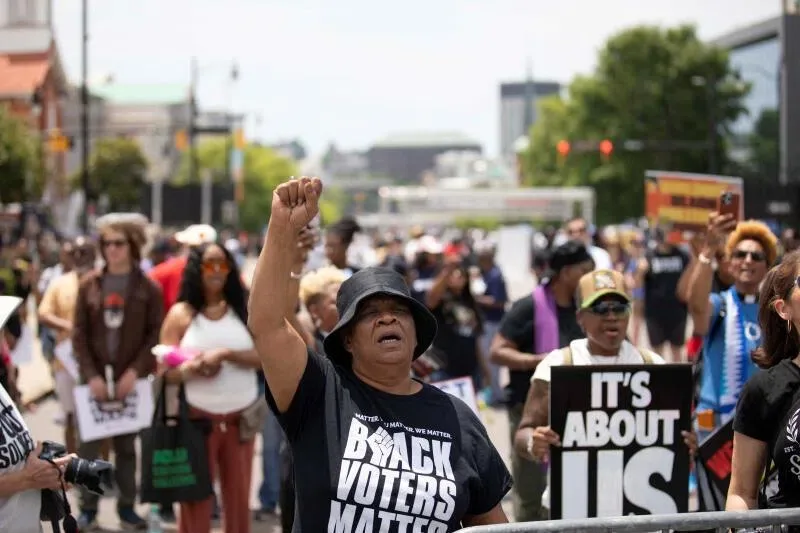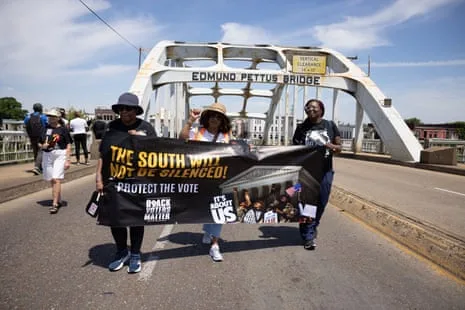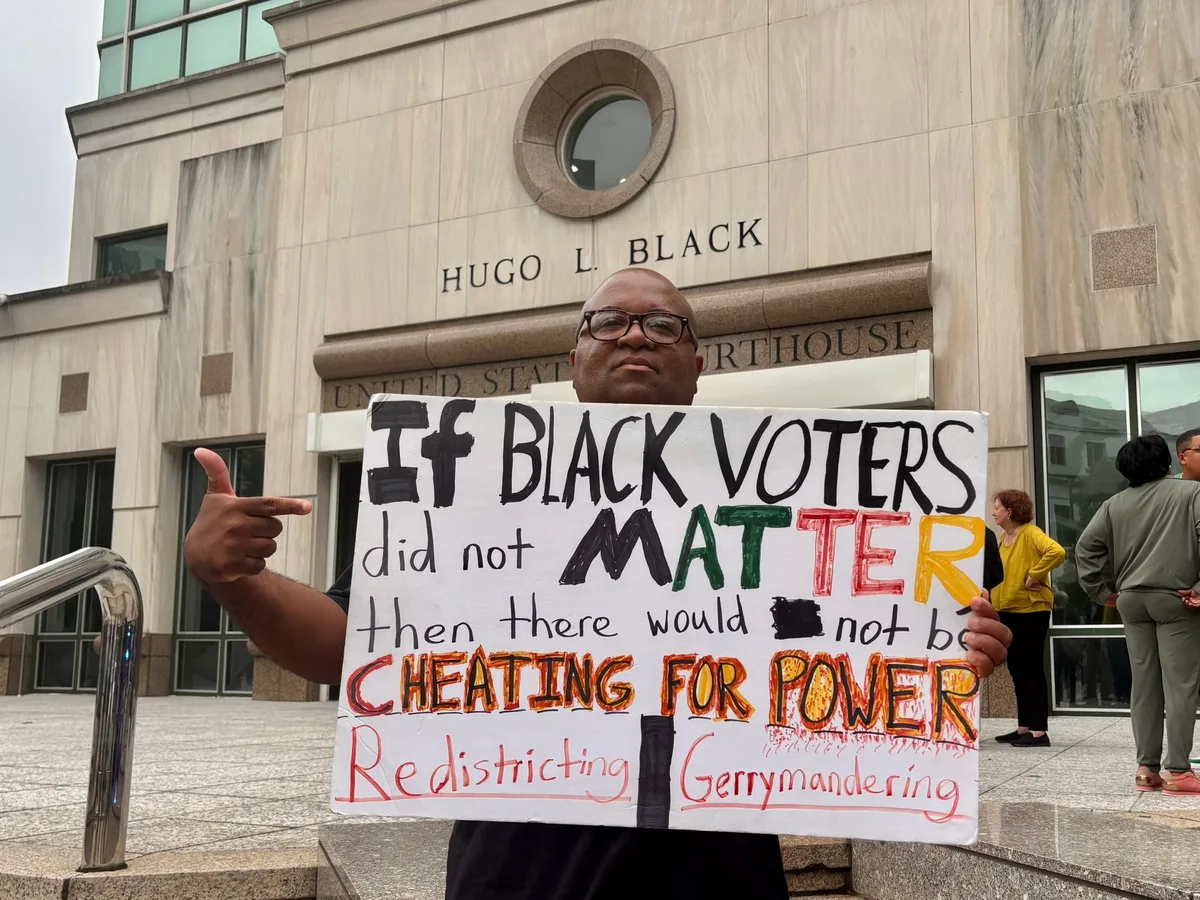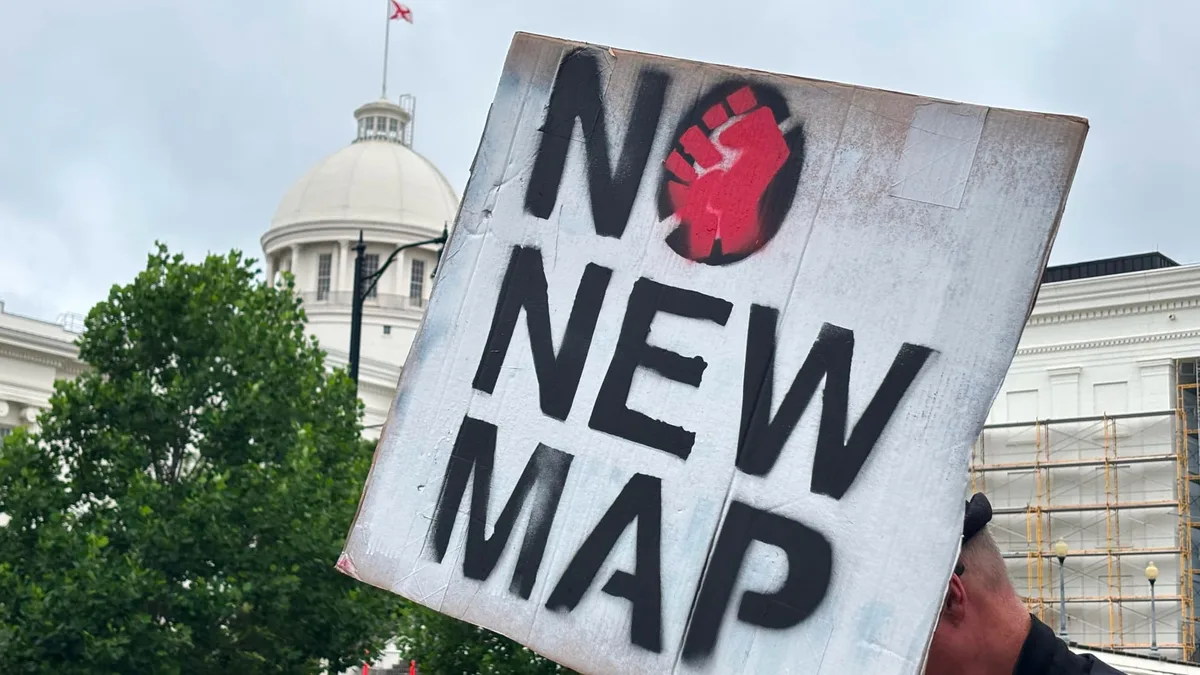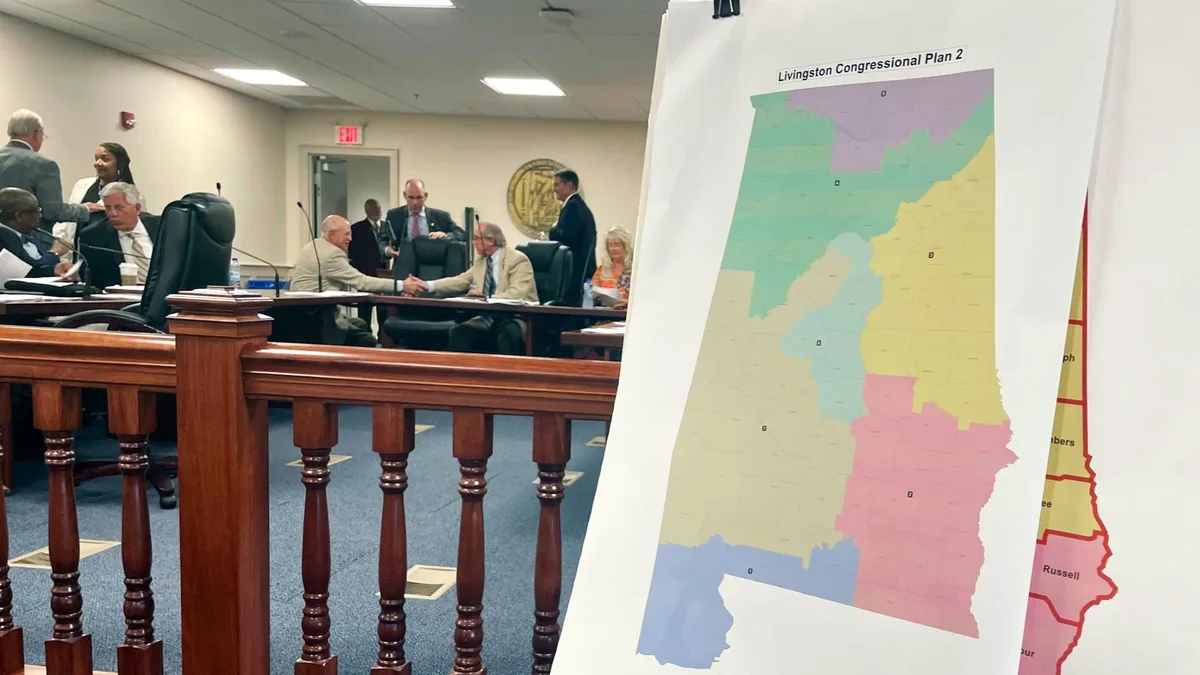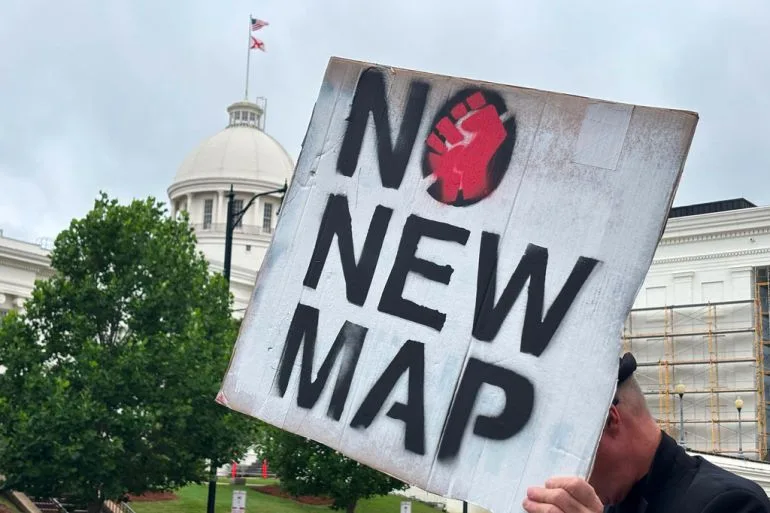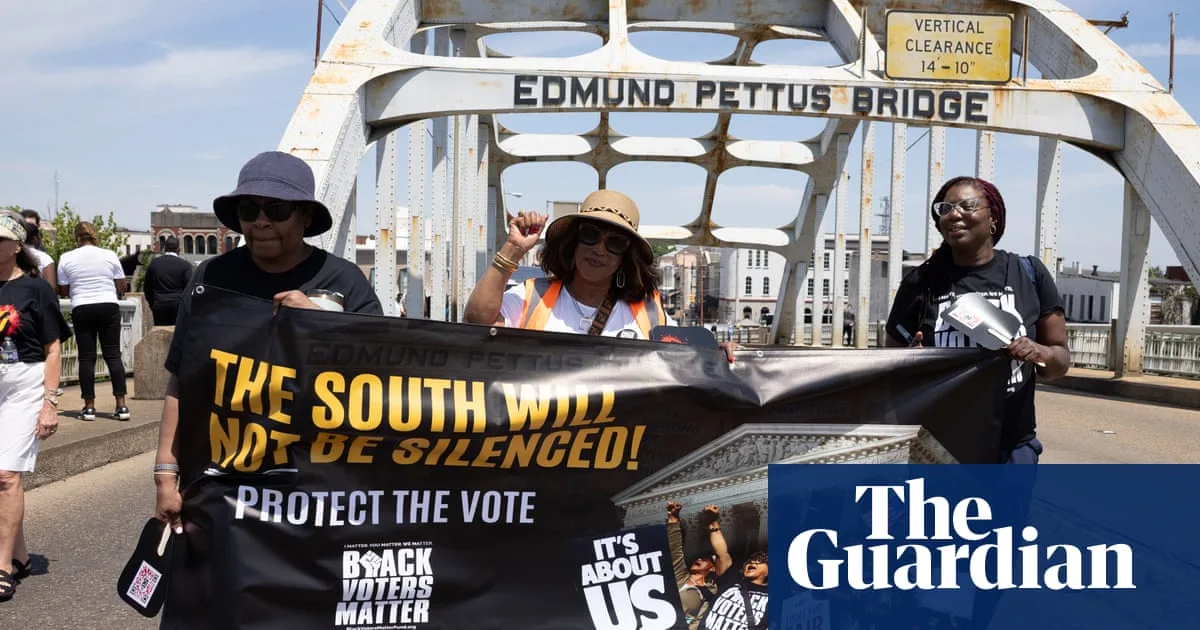
A federal panel of three judges blocked Alabama’s 2023 congressional map on May 26, 2026, ruling it intentionally discriminates against Black voters and cannot be used in the 2026 midterm elections [1, 2, 3, 4, 5, 6, 7, 8, 9]. The 79-page ruling found the redistricting plan eliminated one of Alabama’s two majority-Black districts, diluting Black voter influence and favoring Republicans [1, 2, 8, 9, 6, 4].
The court ordered Alabama to revert to a previously drawn, court-ordered map that preserves two majority-Black congressional districts where Democrats hold sway [1, 6, 5, 2, 4]. The judges wrote, "We cannot see our way clear to requiring Alabamians to cast their votes in the 2026 elections under a districting plan tainted by intentional race-based discrimination" and rejected the state’s attempt to "finish its intentional decision to dilute minority votes with a veneer of legislative regularity" [1, 5].
Alabama Republican leaders have appealed the ruling and petitioned the US Supreme Court to allow use of the 2023 map despite the federal block [10, 11, 5, 2, 4]. In their filing, GOP officials argued the April 2026 Supreme Court decision in Louisiana v. Callais, which limited Voting Rights Act protections in racial gerrymandering cases, supports their map. They said the lower court’s ruling ignored this precedent, stating, "Callais vindicates Alabama's position on the lawfulness of the 2023 Plan" [10, 11]. Secretary of State Wes Allen said he "strongly disagree[s]" with the federal ruling and plans to appeal to the Supreme Court promptly [5].
Opponents see the case as part of a nationwide fight over redistricting rights following the Supreme Court’s weakening of the Voting Rights Act. Black voters, who make up roughly a quarter of Alabama’s population, had two majority-Black districts before 2023 [8, 2, 9]. The 2023 plan would have likely flipped one of Alabama’s seven House seats from Democrat to Republican, shifting political power [5]. Democrats accuse Republicans of "rigging the midterms through illegal gerrymanders and voter suppression," while GOP spokespeople call the state's position lawful and assert Republicans remain strong in battleground districts [7].
Due to ongoing legal disputes over the maps, Alabama postponed its Republican primaries from June to August 11, 2026 [2, 5, 6, 9]. The special primary elections will proceed under the court-ordered map unless the Supreme Court intervenes before then [5, 9].