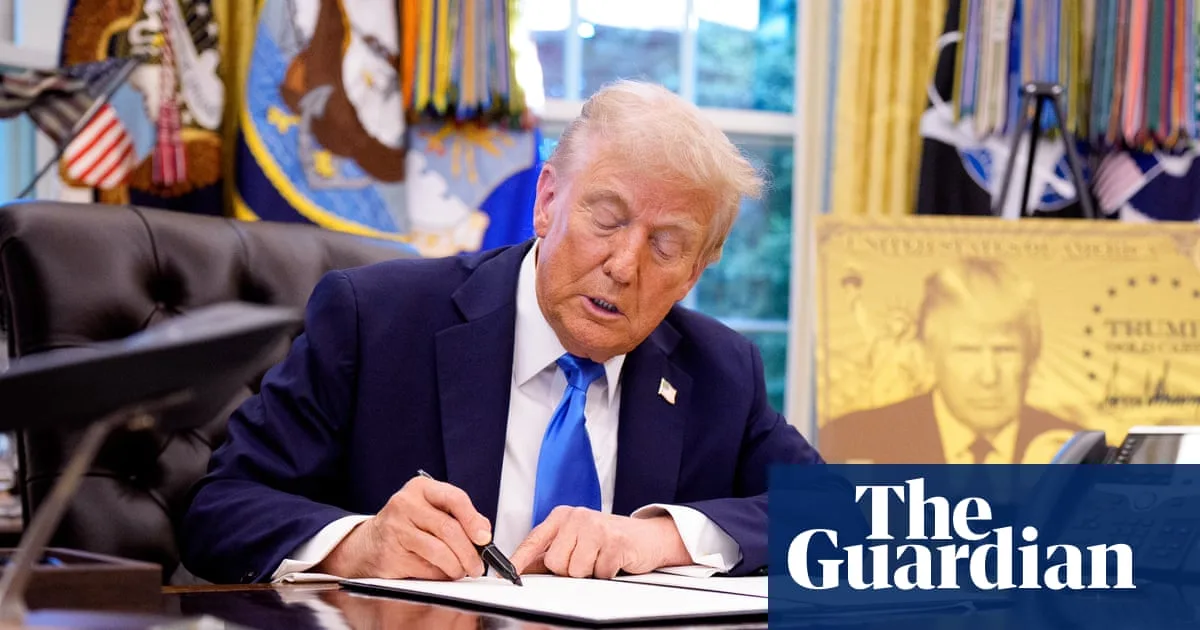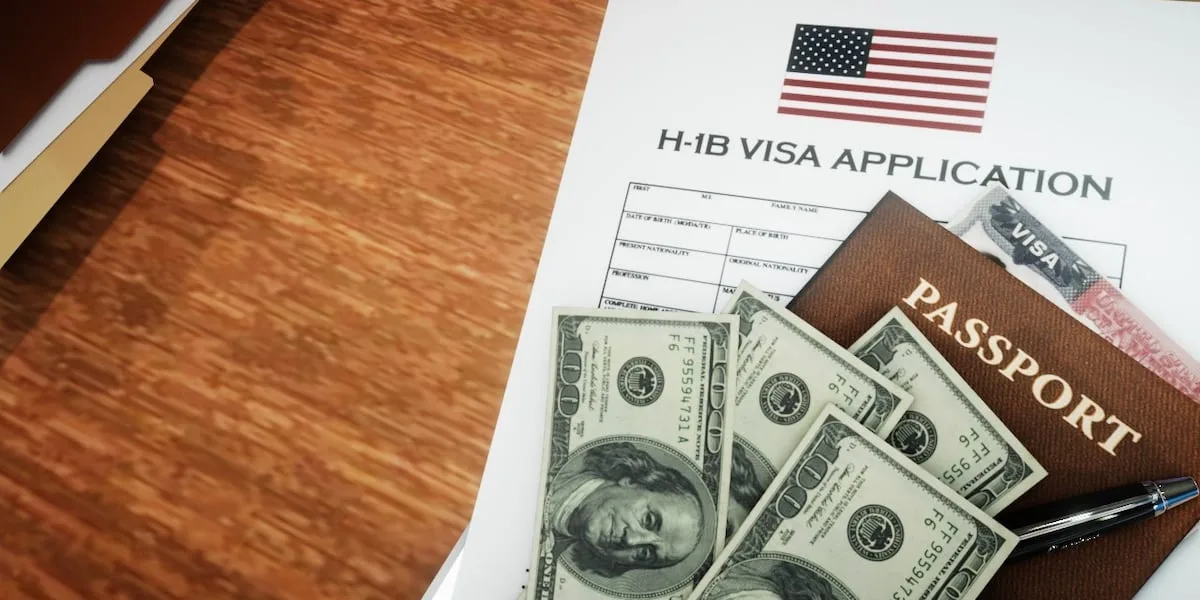
A federal judge in Boston ruled on June 8, 2026, that the Trump administration's $100,000 fee on new H-1B visa applications is unlawful and must be invalidated [1, 2, 3, 4, 5, 6, 7, 8]. Judge Leo Sorokin concluded the fee constitutes a tax that Congress never authorized, and the president lacked legal authority to impose it. "The substance and application of the US$100,000 payment reveal that it is a tax, regardless of what the payment is called," Sorokin wrote, adding the fee "is not a penalty, but a tax for which the President had no power or delegated authority" [2, 8].
The lawsuit was filed by 20 Democratic state attorneys general who challenged the fee announced by the Trump administration in September 2025 [1, 2, 3, 5, 7]. The administration raised the H-1B visa application fee from up to $5,000 to $100,000 in an effort to prioritize American workers over foreign skilled labor [2, 3, 5]. Prior to the increase, employers paid fees ranging from $2,000 to $5,000 for each visa [2, 5]. The United States issues approximately 85,000 H-1B visas annually, including 65,000 under the regular cap and 20,000 for advanced degree holders [2, 5, 7]. The visa allows highly skilled foreign workers to temporarily work—typically three to six years—in specialty occupations [2, 3, 5].
The court ruling cited Supreme Court precedent related to Obamacare to differentiate taxes from penalties [8, 9, 10]. The Trump administration argued that the fee was a monetary penalty within presidential authority under immigration law to restrict certain foreigners [5, 7, 8]. Judge Sorokin rejected that claim and blocked enforcement of the fee [2, 3, 5].
The fee increase led to a sharp decline in payments; records from US Citizenship and Immigration Services show only 85 payments were made by mid-February 2026 [5, 7]. Critics warned the high fee threatened severe staffing shortages in sectors relying on H-1B workers. In Alaska, where up to 80% of teachers in rural districts hold H-1B visas, the fee posed a particular risk. Lisa Parady, Director of the Alaska Council of School Administrators, said the fee "has made it financially impossible for many districts to continue hiring the teachers their students depend on" [4]. Senators Lisa Murkowski and Dan Sullivan called for exemptions for public school employees and proposed legislation to that end [4].
A separate federal judge previously upheld the $100,000 fee in a case brought by pro-business groups, including the US Chamber of Commerce. That ruling is currently on appeal [2, 8, 9]. The Trump administration intends to appeal Judge Sorokin’s ruling blocking the fee [3, 8, 9, 10, 11, 12].