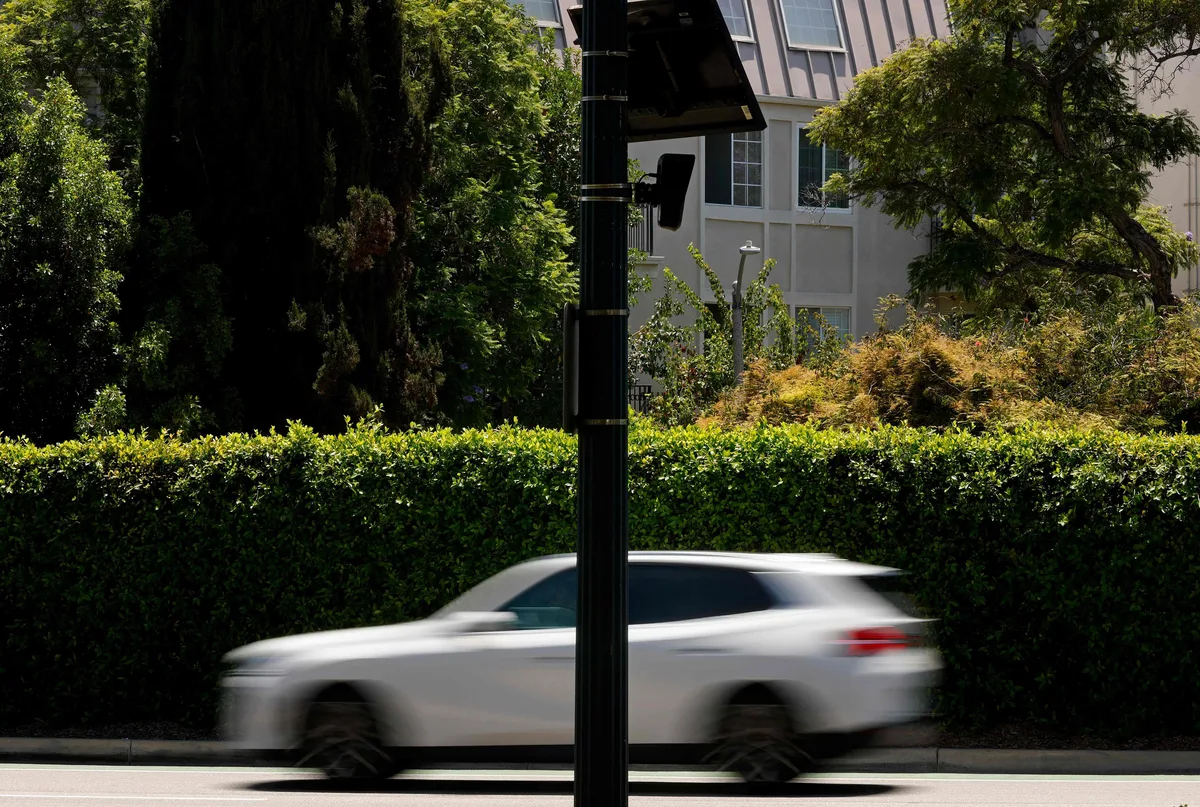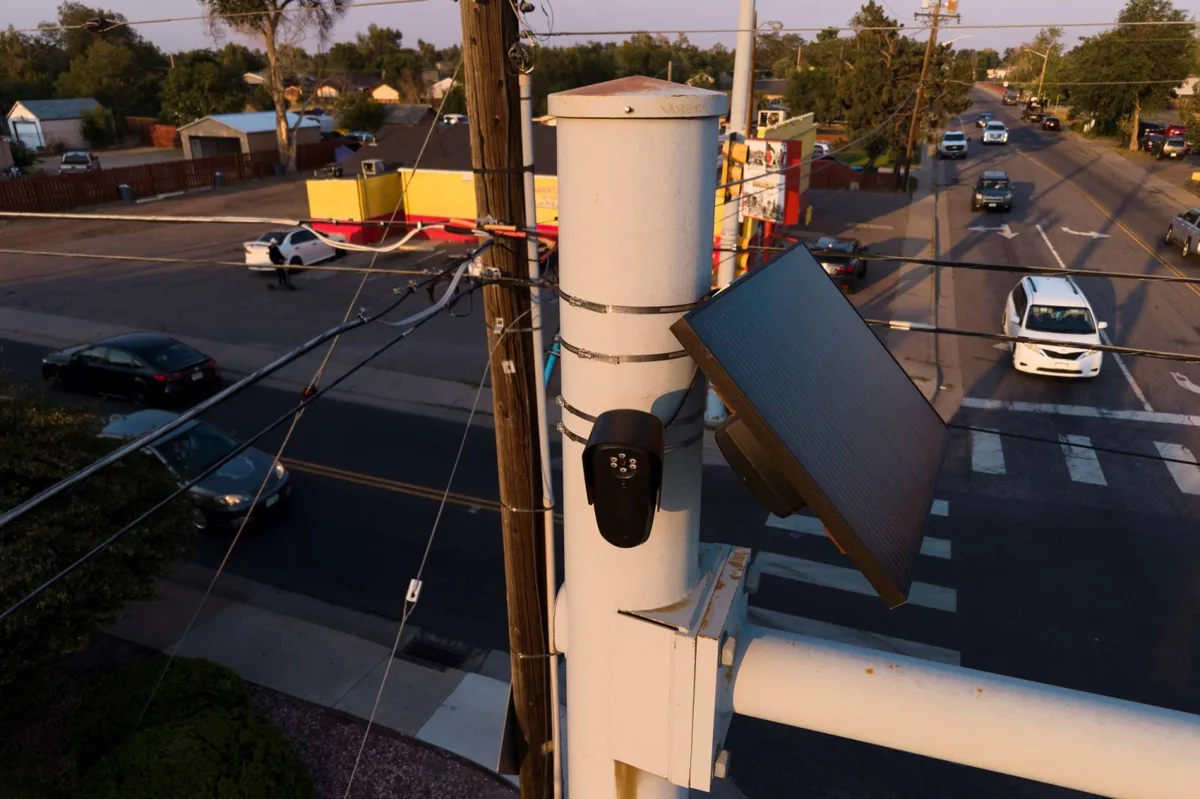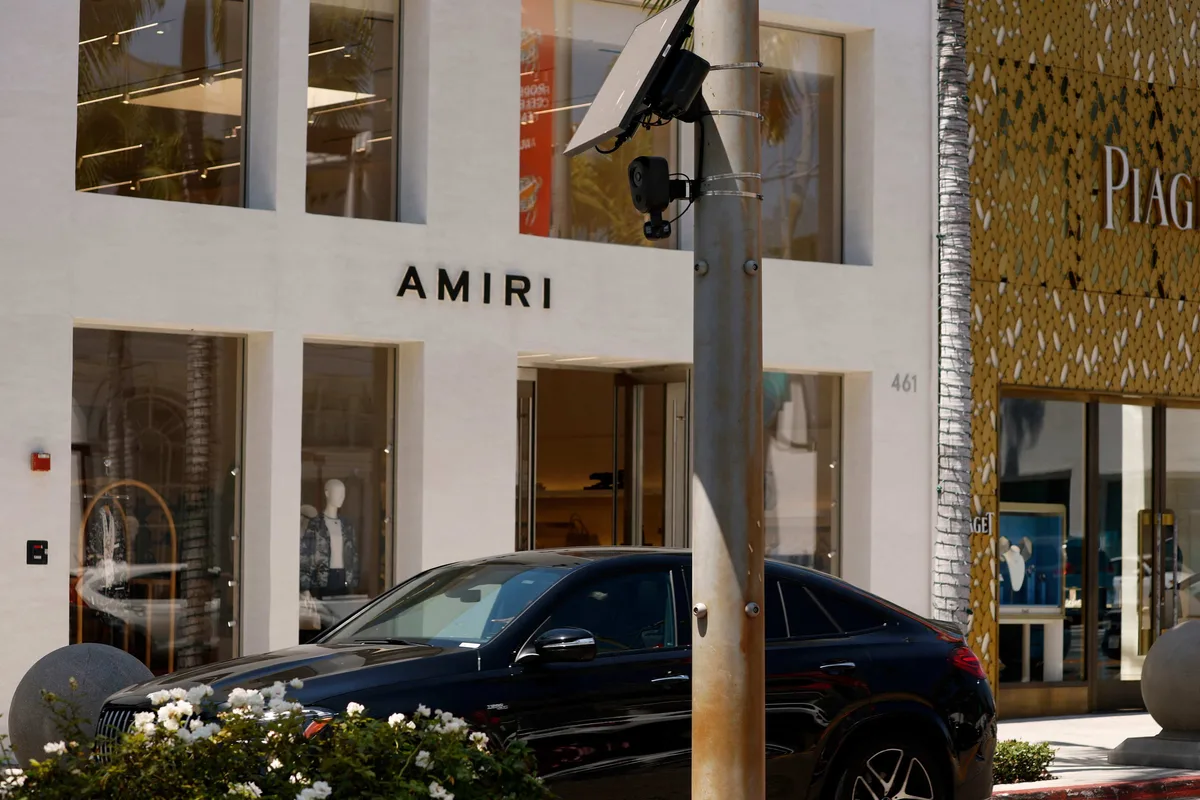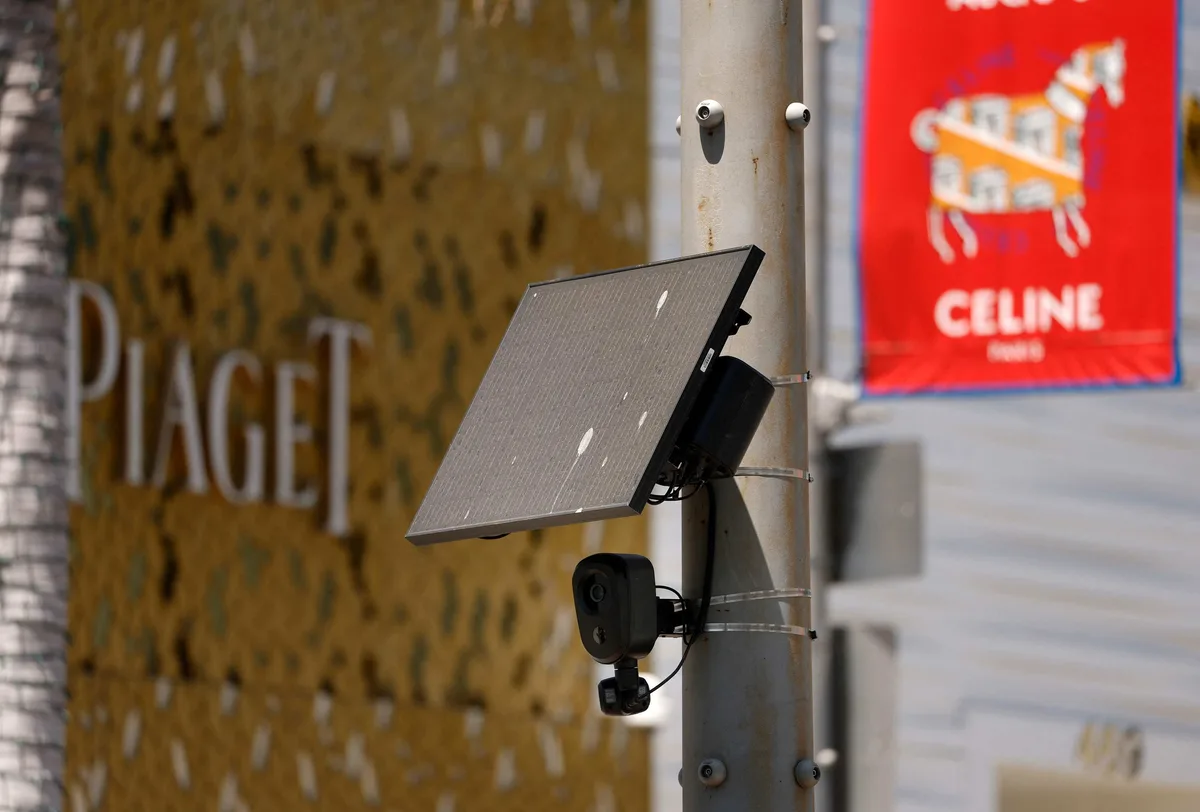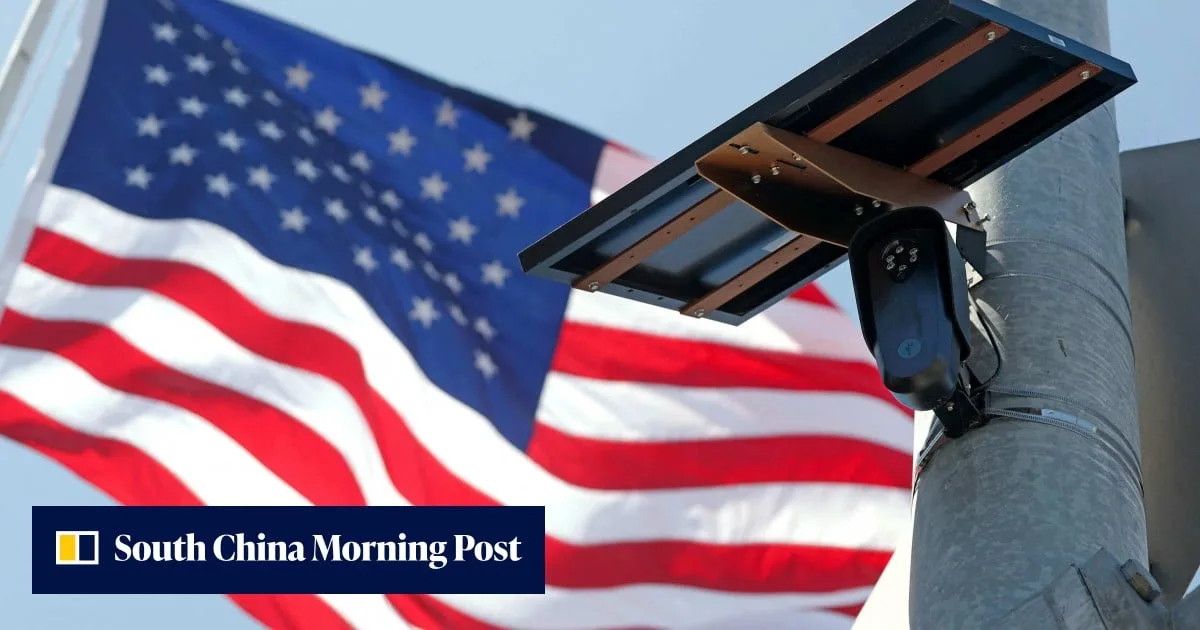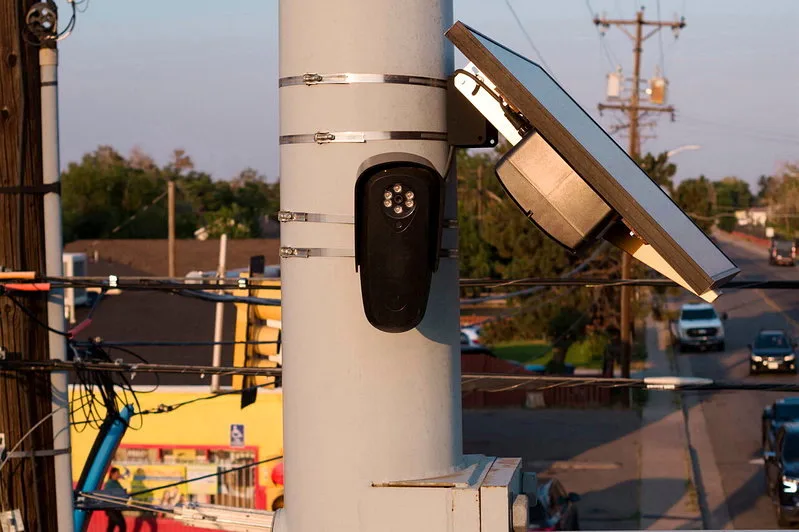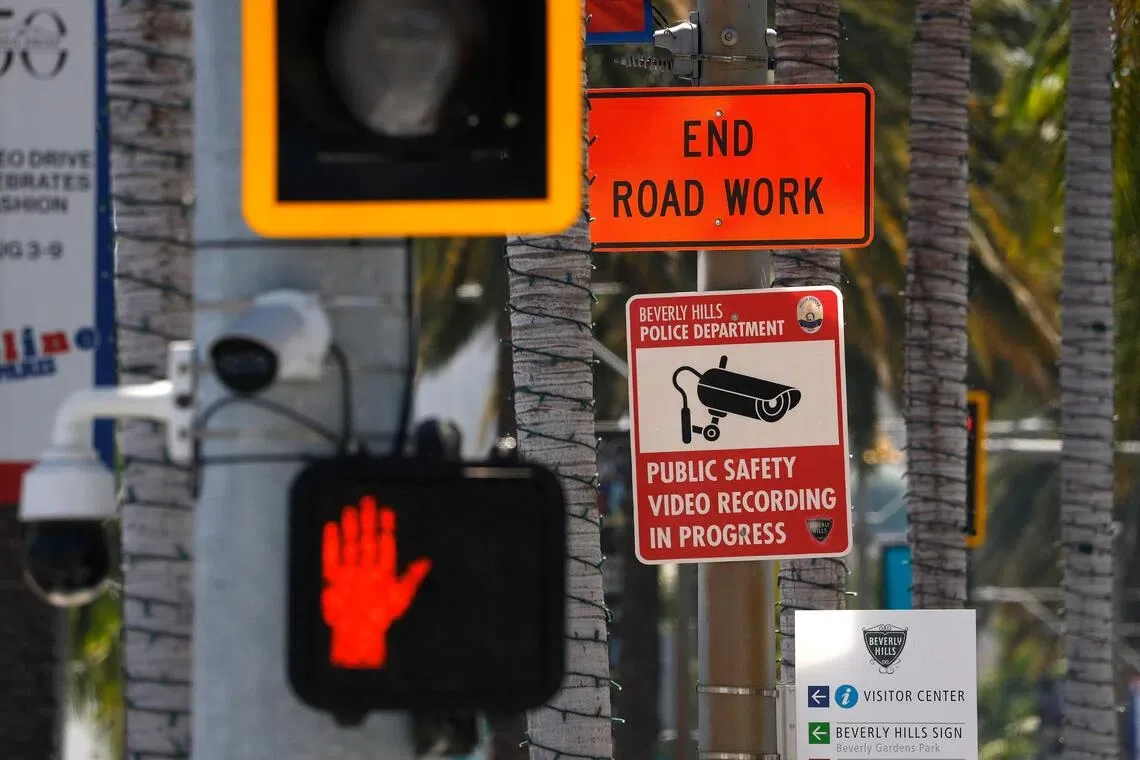
Flock, a surveillance start-up, has installed over 100,000 license plate reader cameras nationwide in recent years [1, 2, 3, 4, 5, 6, 7, 8]. These cameras, deployed by police departments, homeowners’ associations, and businesses, capture still images of vehicles including license plates, make, model, color, and distinguishing features like bumper stickers, but they do not record video [1, 2, 4, 5, 6, 7, 8]. The data is stored for up to one month and shared with subscribers, sometimes across state lines [1, 4, 5, 6, 7, 8].
Opponents say the system enables law enforcement to track innocent Americans’ movements without warrants, raising fears of privacy abuse and civil liberties violations [1, 4, 5, 6, 7, 8]. At least 50 police officers have been accused of misusing the Flock system, including monitoring romantic partners without warrants, tracking women who have had abortions, and sharing data with immigration authorities [4, 9, 10, 11, 5, 7, 8].
A self-described vigilante known as Nomark, 20, from Minneapolis, has disabled about 30 Flock cameras near his home and shares online instructions to do the same [1, 2, 4, 9, 10, 11, 5, 6, 7, 8]. He has roughly 500,000 Instagram followers whom he uses to raise awareness about the cameras and how to render them ineffective. “I’m not really as scared anymore,” he told a reporter [1].
The grassroots anti-Flock movement has grown rapidly nationwide. Thousands participate in vandalizing cameras, and the Facebook group DeFlock America has over 600,000 members [1, 4, 11, 5, 7, 8]. Supporters share crowdsourced maps of camera locations and methods for disabling lenses, hailing those arrested as heroes [1, 4, 5, 6, 7, 8]. Former Fox News host Tucker Carlson called the vandals “righteous, patriotic Americans who are just taking self-defense measures” [7].
Over 70 municipalities, from Los Angeles to small Virginia towns, have recently cut contracts with Flock due to pressure from privacy advocates and the grassroots [7]. Richmond, Virginia’s police department has used Flock cameras since 2023 and relies on its database to investigate vehicle-related crimes. “For practically any crime that has a connection with a vehicle or a vehicle involved, we will at least query the database,” said Richmond police official Jon Bridges [1, 6, 7]. A May 2026 double homicide was solved using Flock data to identify a fleeing suspect’s vehicle [6, 7].
Flock CEO Garrett Langley condemned some opponents as "terrorists," calling their actions “just pouring fuel on the fire” [4]. The American Civil Liberties Union’s Chad Marlow said the grassroots opposition has become "huge and expanding rapidly" [4]. Christopher Newport University criminology professor Keena noted that because decisions are local, people “realize they can really make a difference” [7].
The movement continues to gain momentum, as more communities consider ending their contracts with Flock over privacy concerns.