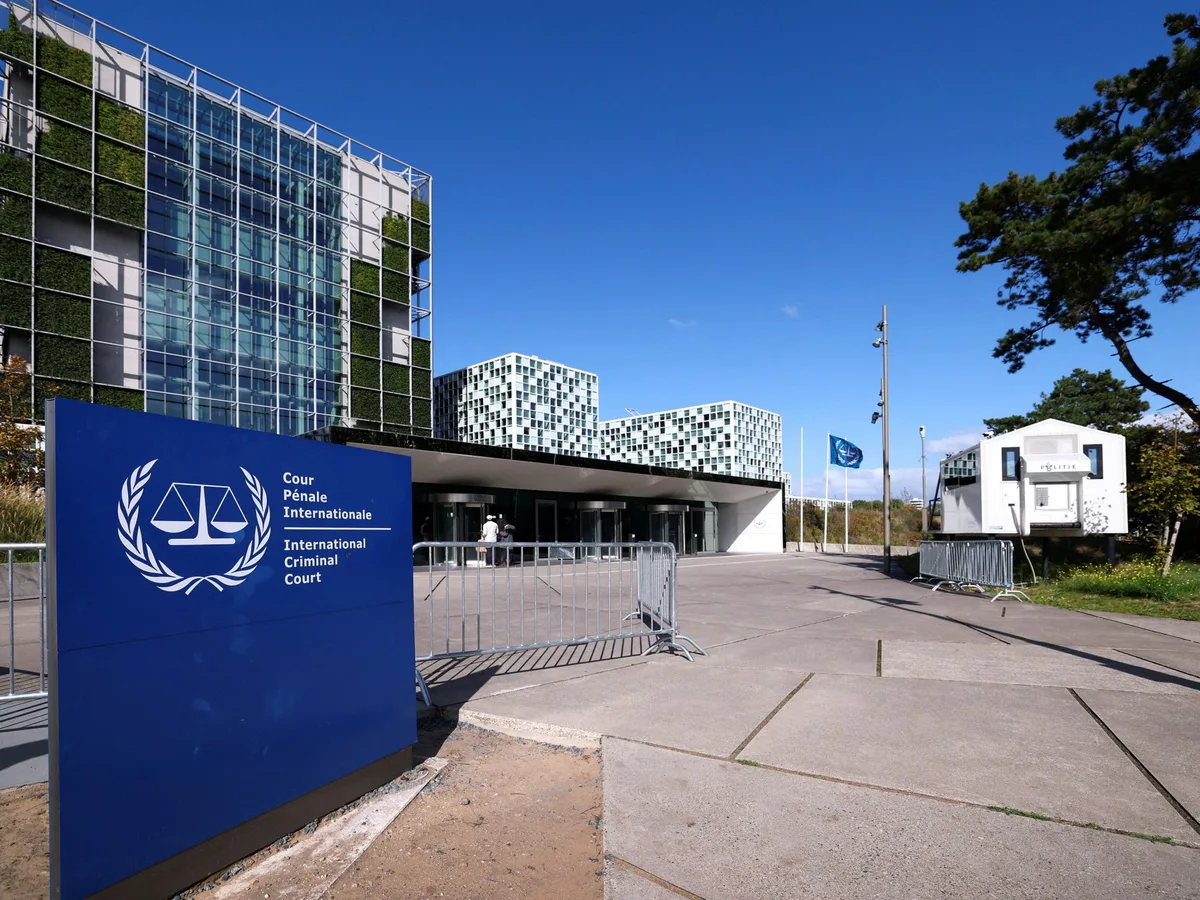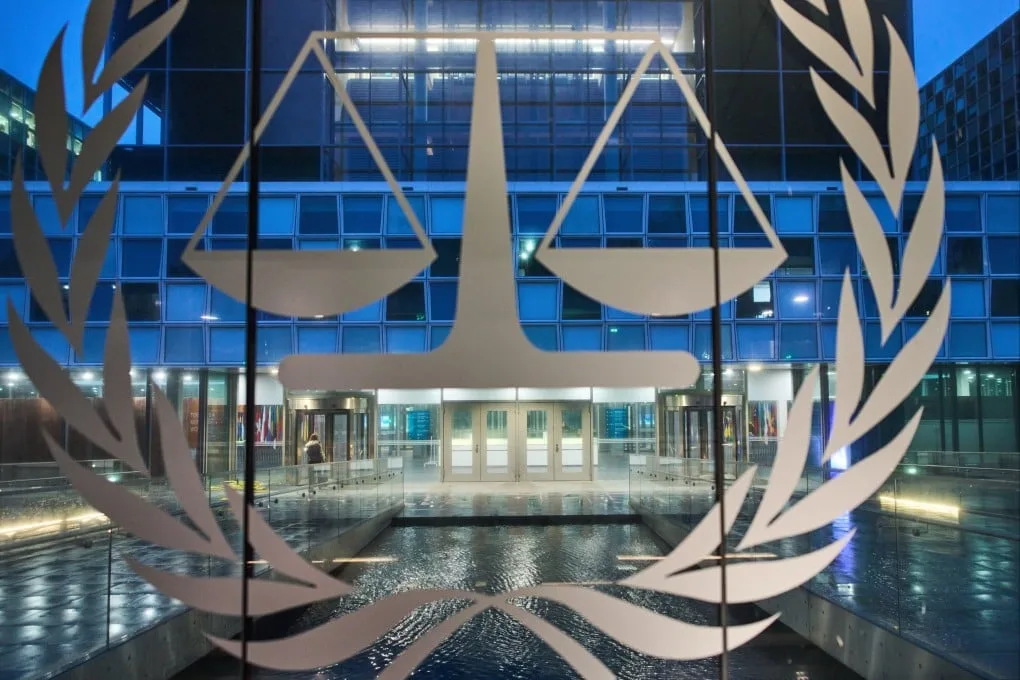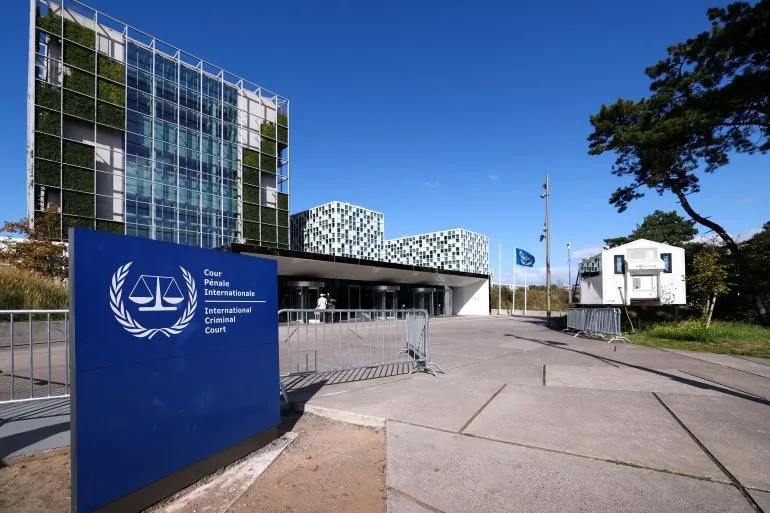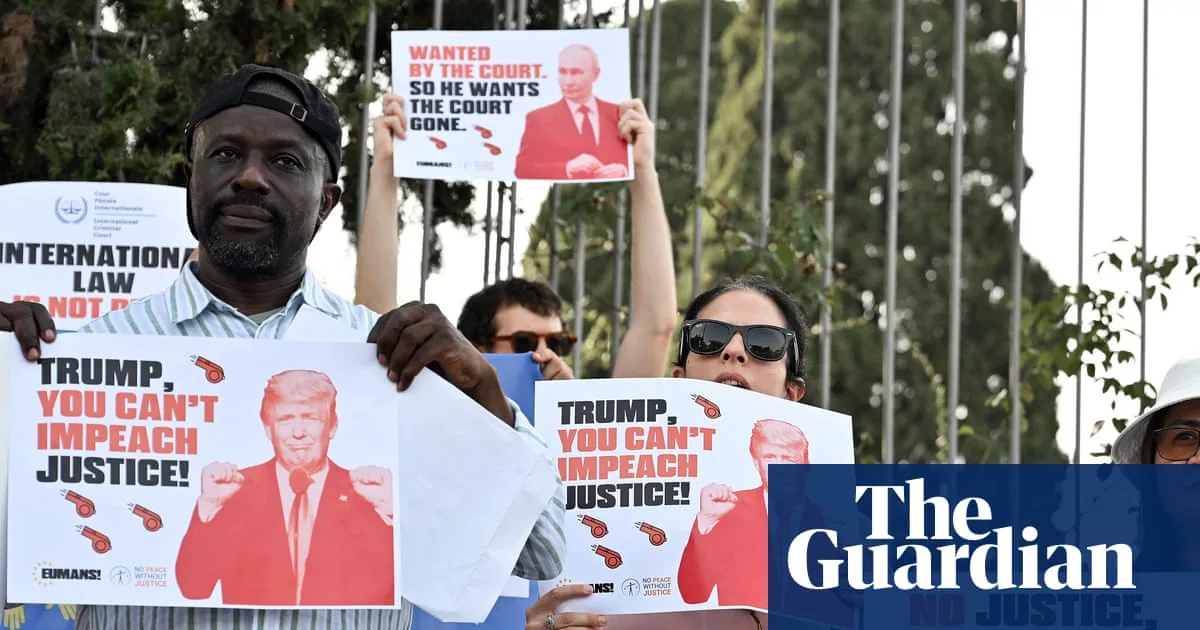
Four major US human rights organizations filed a federal lawsuit on August 11, 2026, against the Trump administration. They challenged sanctions imposed on the International Criminal Court (ICC) and individuals affiliated with it, including judges, prosecutors, and human rights groups [1, 2, 3, 4, 5, 6].
The plaintiffs include the American Friends Service Committee, Center for Constitutional Rights, Human Rights Watch, and the Open Society Institute [1, 2, 3, 4, 5, 6]. They argue the sanctions violate the First and Fifth Amendments of the US Constitution as well as international law by restricting free speech, association, and religious freedom [1, 2, 3, 4, 5].
The lawsuit targets Trump’s February 2025 executive order, which authorized penalties on ICC officials and supporters. These sanctions seek to punish those involved in ICC investigations, notably an inquiry into alleged Israeli war crimes in Palestine [1, 3, 4, 6]. The ICC had issued arrest warrants for Israeli Prime Minister Benjamin Netanyahu and former Defense Minister Yoav Gallant in November 2024 as part of a probe into Gaza [1, 4, 6].
The US, not a party to the ICC, has long opposed the court’s work but intensified pressure after these 2024 warrants [1, 2, 6]. The sanctions also target three Palestinian human rights groups and a UN special rapporteur on Palestinian rights [1, 2, 6].
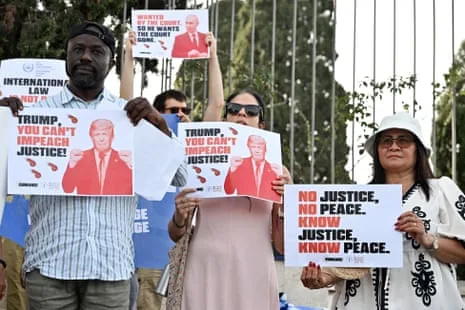
Plaintiffs say the sanctions criminalize and punish human rights defenders, lawyers, and organizations helping the ICC and victims of human rights abuses. Katherine Gallagher of the Center for Constitutional Rights said, "The Trump administration took the extraordinary step to not only deny Palestinians and victims of US torture equal access to justice, but to criminalize and punish them, their lawyers and advocates, and their partners" [1]. Joyce Ajlouny of the American Friends Service Committee stated, "The US government’s efforts to dismantle the ICC and punish people seeking justice for grave human rights violations harm far more than the individuals and groups facing sanctions. It is an affront to all victims and survivors of war crimes and genocide" [4]. She added, "This executive order seeks to intimidate human rights defenders and deter people of conscience from advocating for the rights and dignity of others. We are joining this lawsuit because we refuse to stay silent when the pursuit of justice is criminalised" [4].
Andrew Loewenstein, lead counsel for the plaintiffs, said, "The fact that so many leading human rights and humanitarian organisations have come together to challenge Trump’s unlawful executive order demonstrates the widespread harm it is causing across civil society groups dedicated to bringing those responsible for grave crimes to justice." He added, "The plaintiffs are seeking an end to this sanctions regime, which transgresses the president’s authority and violates international and U.S. law, including the rights to freedom of expression and religion" [3, 5].
Similar sanctions were imposed by Trump in 2020, but a judge blocked that order as violating the First Amendment. Biden rescinded it in 2021. Since returning to office, Trump has renewed and escalated his campaign against the ICC, including a diplomatic push announced by Secretary of State Marco Rubio in July 2026 to pressure ICC member states to withdraw from the court [1, 2, 4, 5].
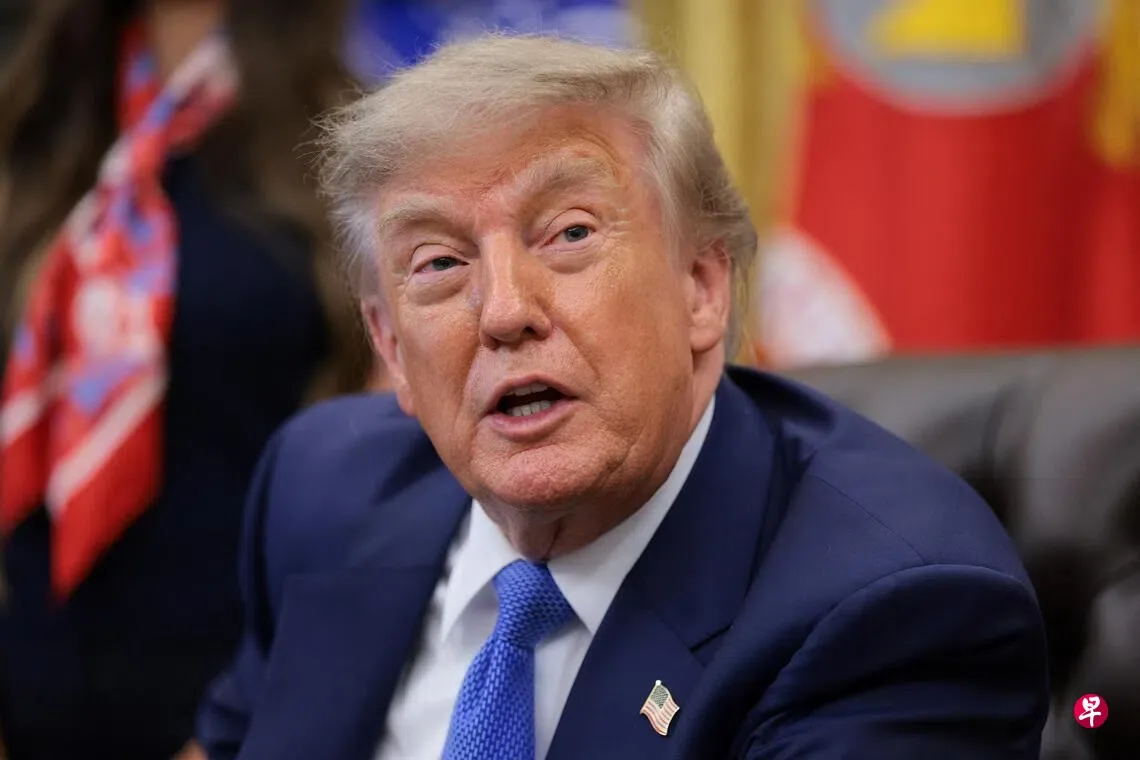
Trump stated in a July 31, 2026, cabinet meeting that the sanctions campaign aims to defend Israeli officials targeted by the ICC, not himself [2, 5]. The US State Department has accused the plaintiff groups of enabling ICC overreach and views the ICC as a threat to US sovereignty [2, 5]. Separate lawsuits have also been filed by three ICC judges and Palestinian rights groups challenging the sanctions [2, 5].
The lawsuit formally challenges sanctions tied to ICC investigations, including one of the 18 active probes overseen by the court, and marks a significant legal confrontation over US efforts to impede the ICC’s activities.
A court date for the lawsuit has not yet been announced.