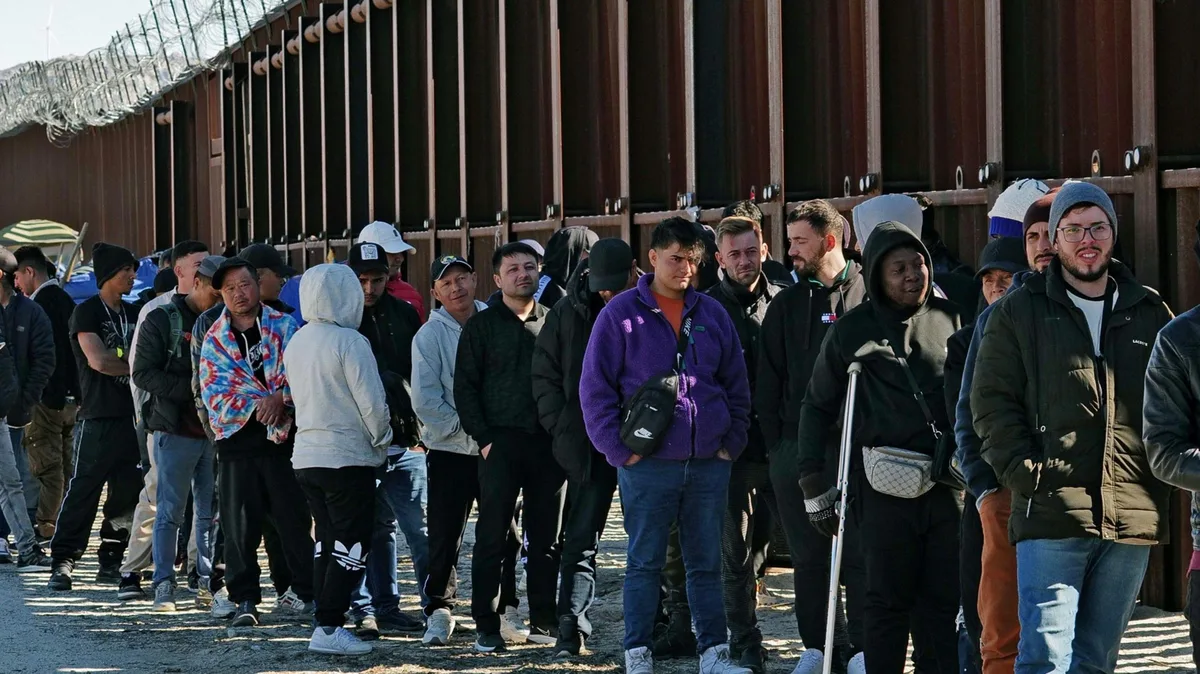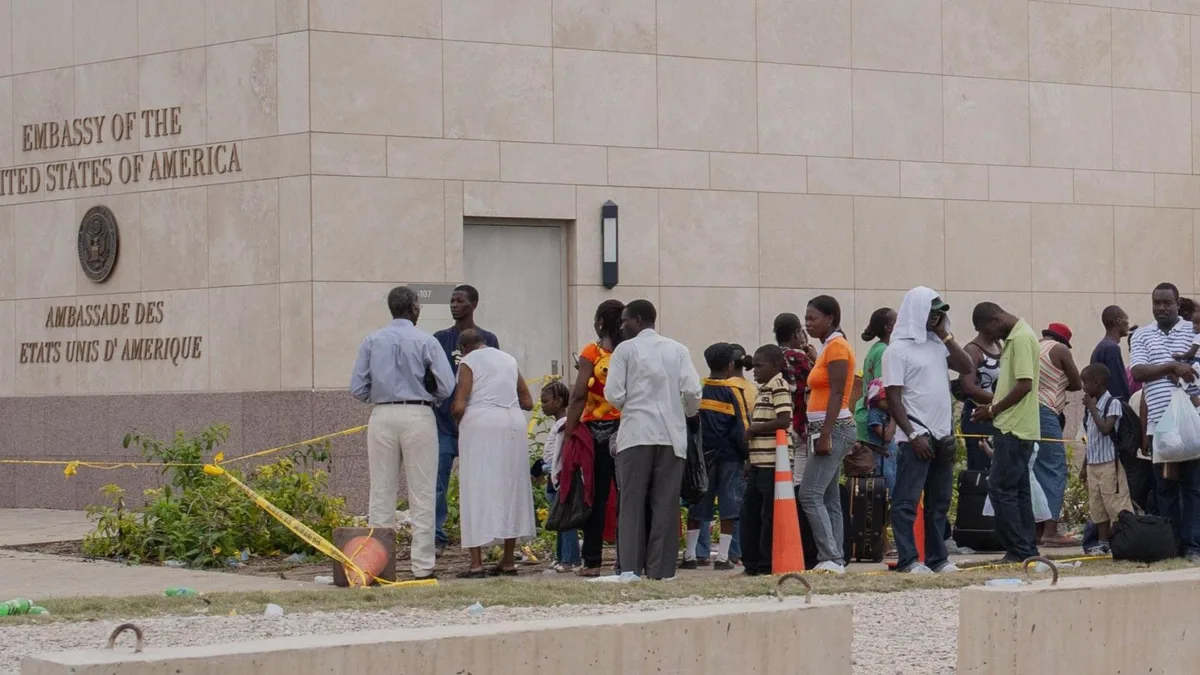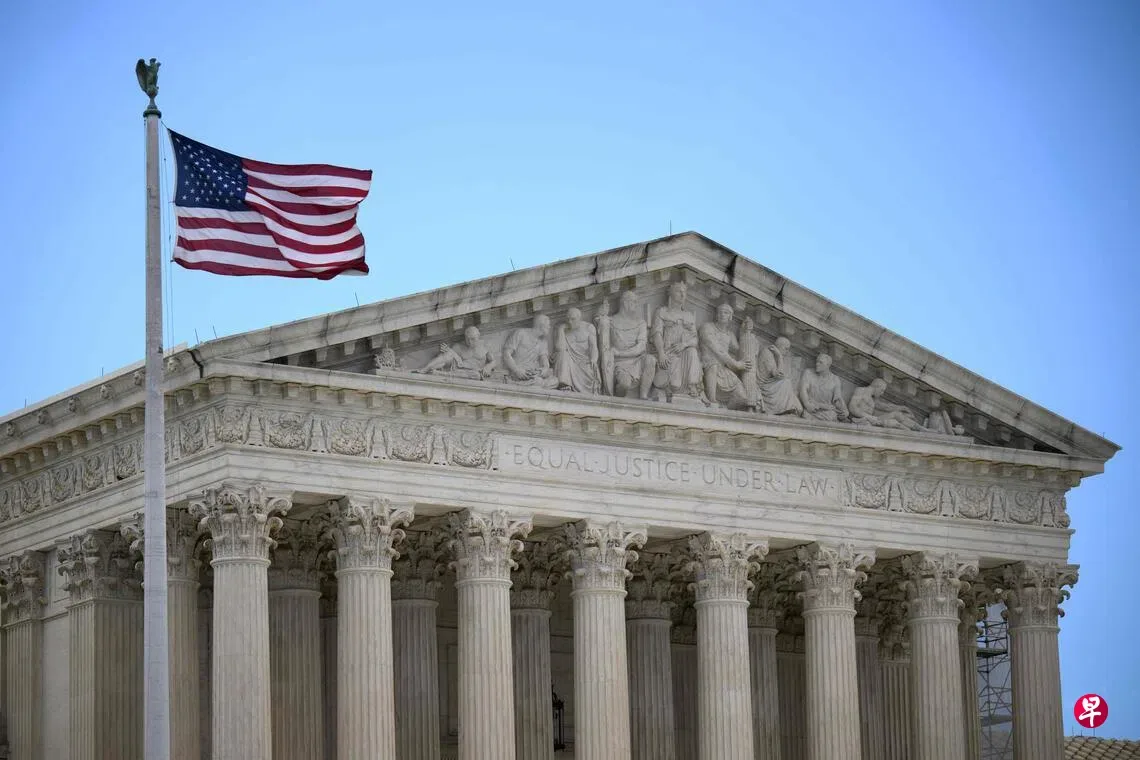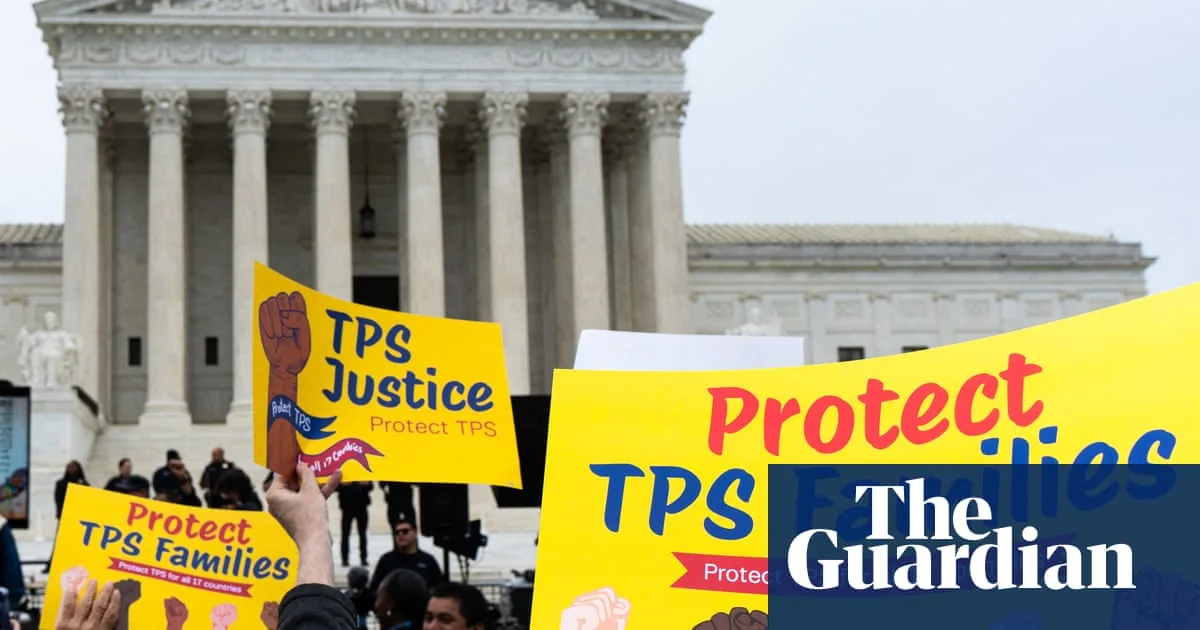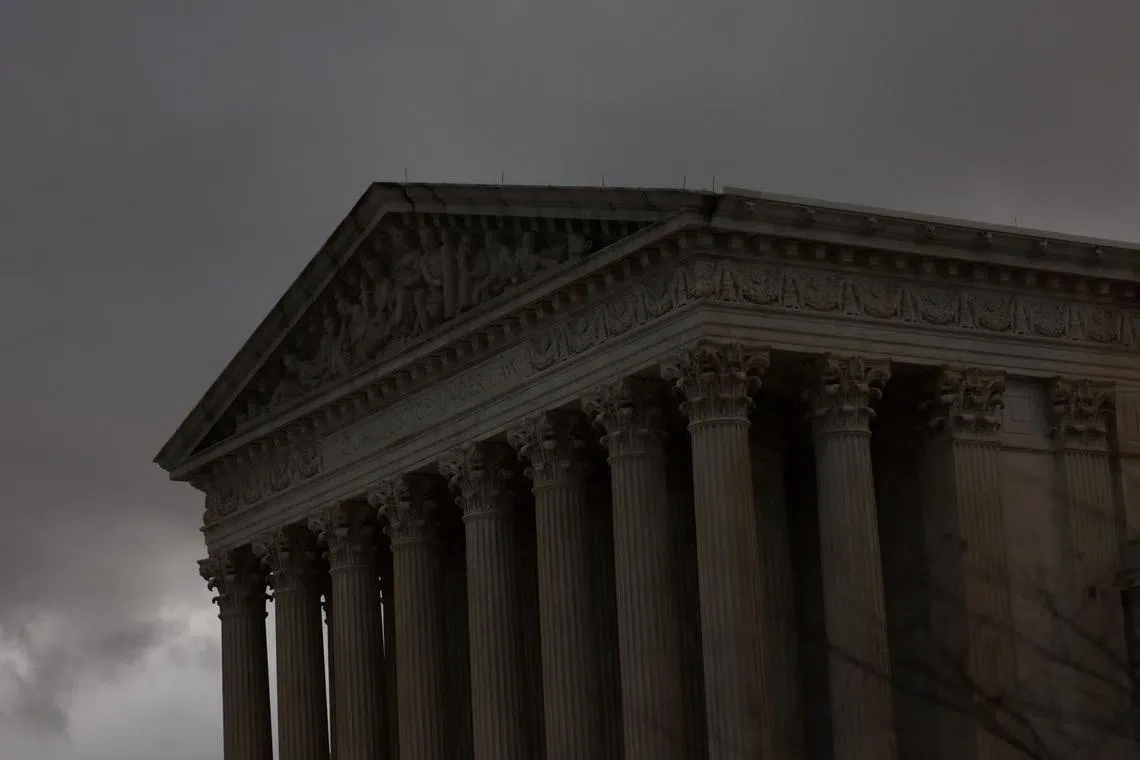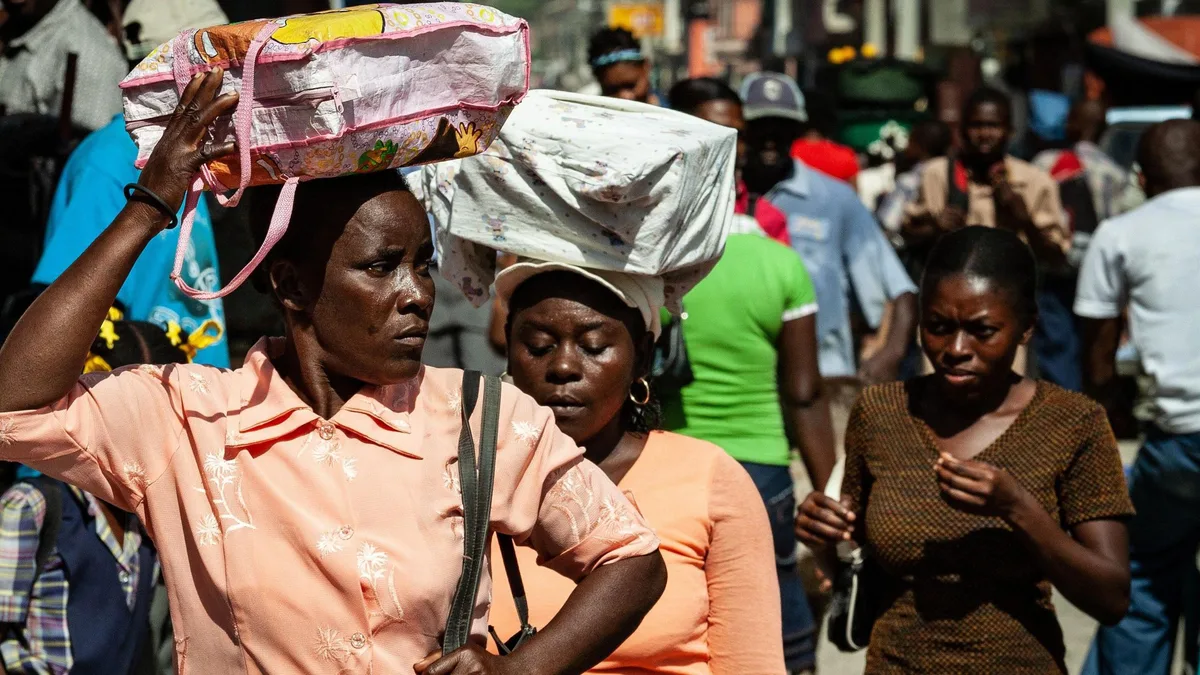
The US Supreme Court on June 25, 2026, ruled 6-3 that the Trump administration may end Temporary Protected Status (TPS) for about 350,000 Haitian and 6,000 Syrian immigrants living in the US [1, 2, 3]. The decision also upheld restrictions preventing migrants standing on Mexican soil from applying for asylum in the United States until they physically enter US territory [1, 4].
TPS allows migrants from countries experiencing war, natural disasters or other crises to live and work legally in the US temporarily without fear of deportation [1, 2]. Haitians were first granted TPS after the 2010 earthquake, and Syrians received TPS after the outbreak of the civil war in 2012 [1, 2, 5].
The Supreme Court ruled that the Department of Homeland Security's decisions to terminate TPS cannot be judicially reviewed due to statutory language, effectively overturning earlier federal court injunctions that blocked ending TPS for Haitians and Syrians [1, 2, 6, 7]. Justice Samuel Alito wrote the majority opinion stating, "The law governing TPS clearly prevents courts from reviewing government decisions" [1]. He also rejected claims that race motivated ending TPS for Haitians, saying, "None of the cited statements by either the president or the [Homeland Security] Secretary was overtly racial" and all were based on policy views with race-neutral explanations [6].
In dissent, Justice Elena Kagan accused the majority of ignoring racial undertones tied to President Trump's 2024 remarks against Haitian immigrants. She said, "The statements fairly shout, in their racial undertones and overtones alike, that race entered into the President's resolve to remove Haitians from this country" [1].
The ruling could affect roughly 1.3 million TPS holders from 17 designated countries in the US, with the Trump administration having already ended TPS for people from 13 nations since January 2025, citing improved conditions abroad [2, 8, 7]. The NAACP strongly condemned the TPS ruling. Its president, Derrick Johnson, said, "This decision is a deadly betrayal for Haitian families living and working in the US for years... The Supreme Court has greenlit the deportation of over 350,000 people, endangering their safety and wholly disregarding equal protection principles" [7].
The Court also reinstated a "turn-back" policy from 2016 that was repealed in 2021, allowing border agents to deny asylum to migrants applying while still on Mexican soil. Alito wrote, "In everyday parlance, no one would say someone has 'arrived' before entering a place" [4]. Justice Sonia Sotomayor dissented, warning the ruling will cause "cruel outcomes," increase illegal border crossings, and lead to more deaths, saying, "More will die. More will attempt illegal crossings. Some will succeed, some will fail" [4].
The Supreme Court's rulings on TPS termination and border asylum restrictions mark significant enforcement of immigration policies enacted by the Trump administration beginning January 2025 [8]. They remove legal obstacles to ending protections and limit avenues for asylum seekers at the southern border.