The Trump administration paused construction of a $1.7 billion border wall project in Big Bend National Park, Texas, on August 16, 2026, pending an on-site review by US Customs and Border Protection (CBP) Commissioner Rodney Scott [1, 2, 3, 4, 5]. Scott announced the suspension via video on X (formerly Twitter), saying, “CBP is pausing all construction activity in Big Bend National Park while I visit and conduct a personal, on-the-ground evaluation” and plans to engage local stakeholders and law enforcement [1, 4].
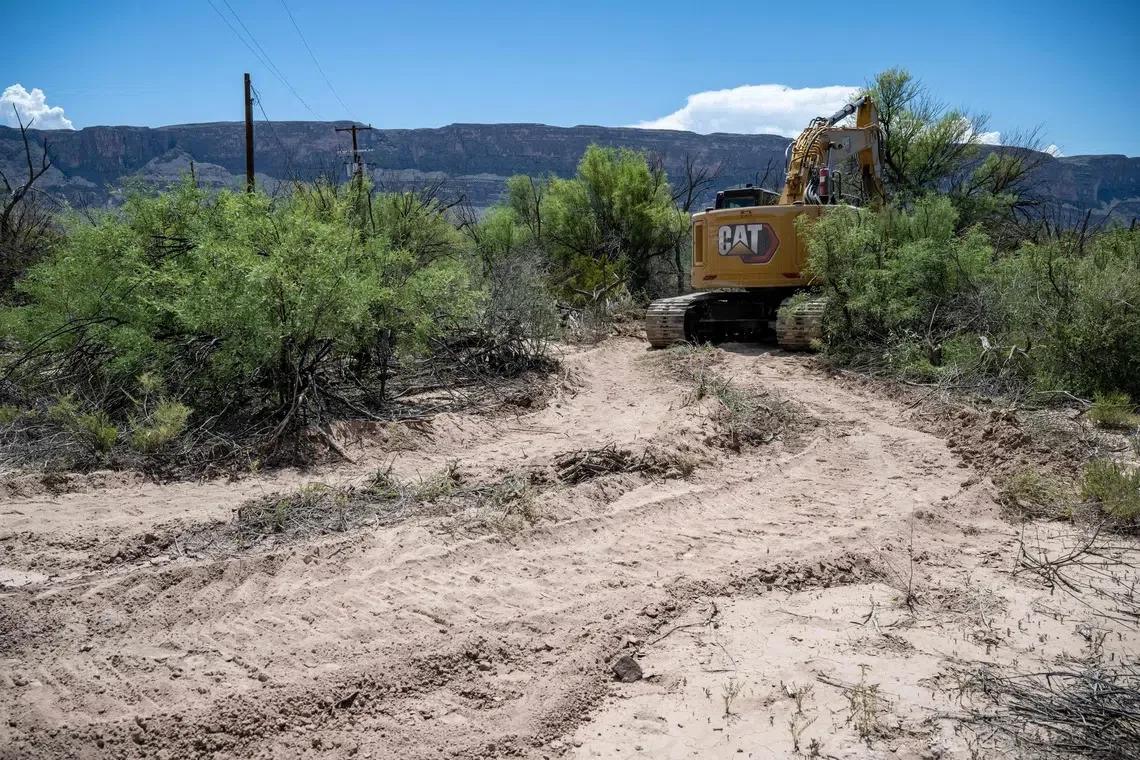
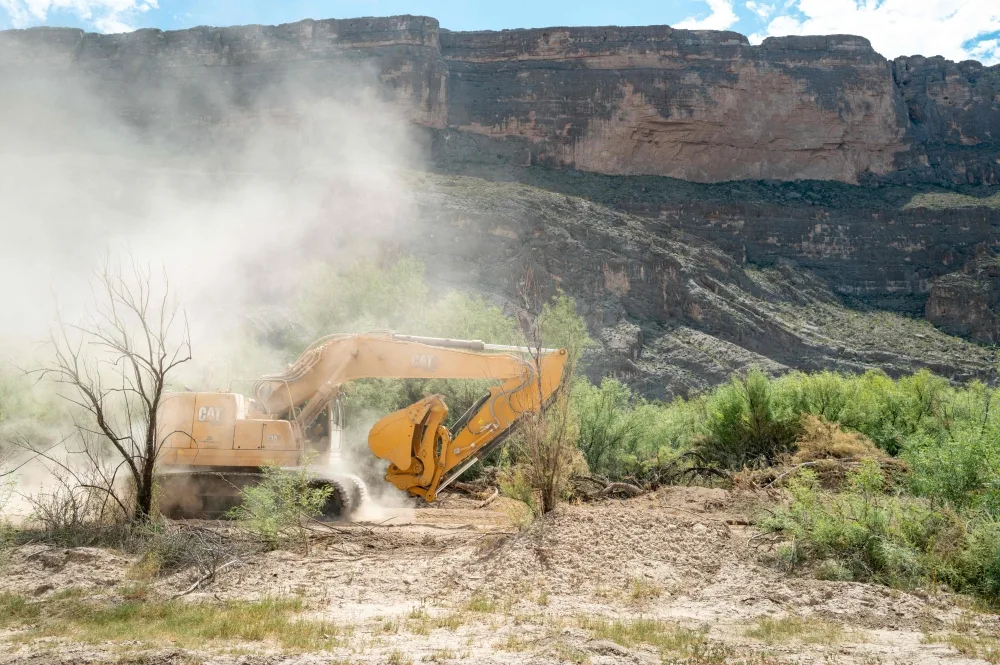
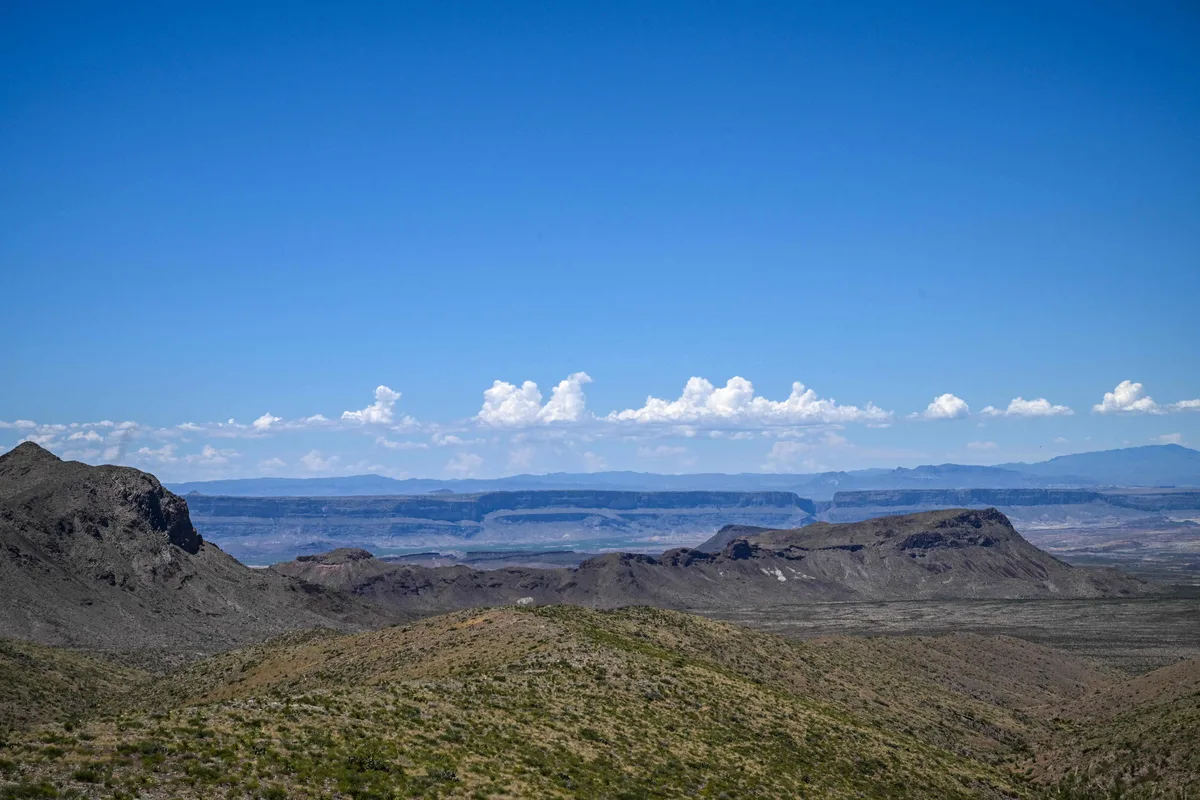
The project involves building a border wall with vehicle barriers, patrol roads, lighting, and detection technology through the park, which is known for its biodiversity and rugged features including Santa Elena Canyon and Mariscal Mountain [2, 3, 5]. Bulldozers began work at the site on August 1, 2026, but operations halted mid-month after Scott’s decision [2, 3, 5].
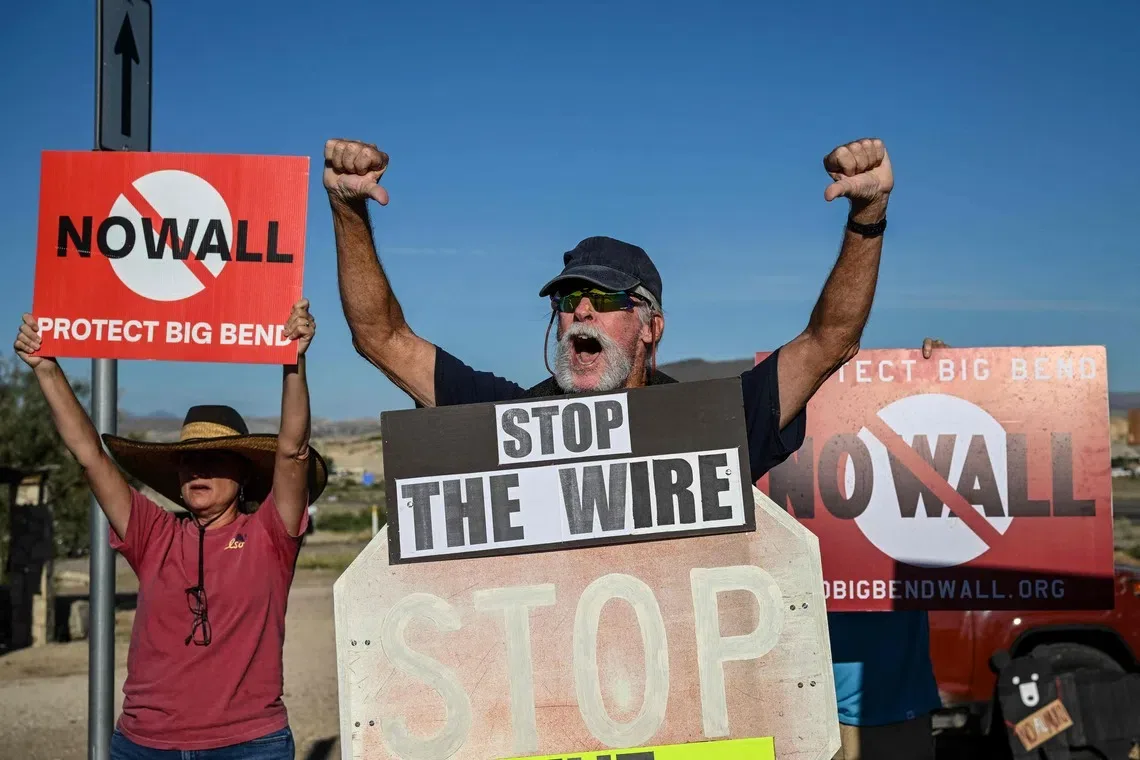
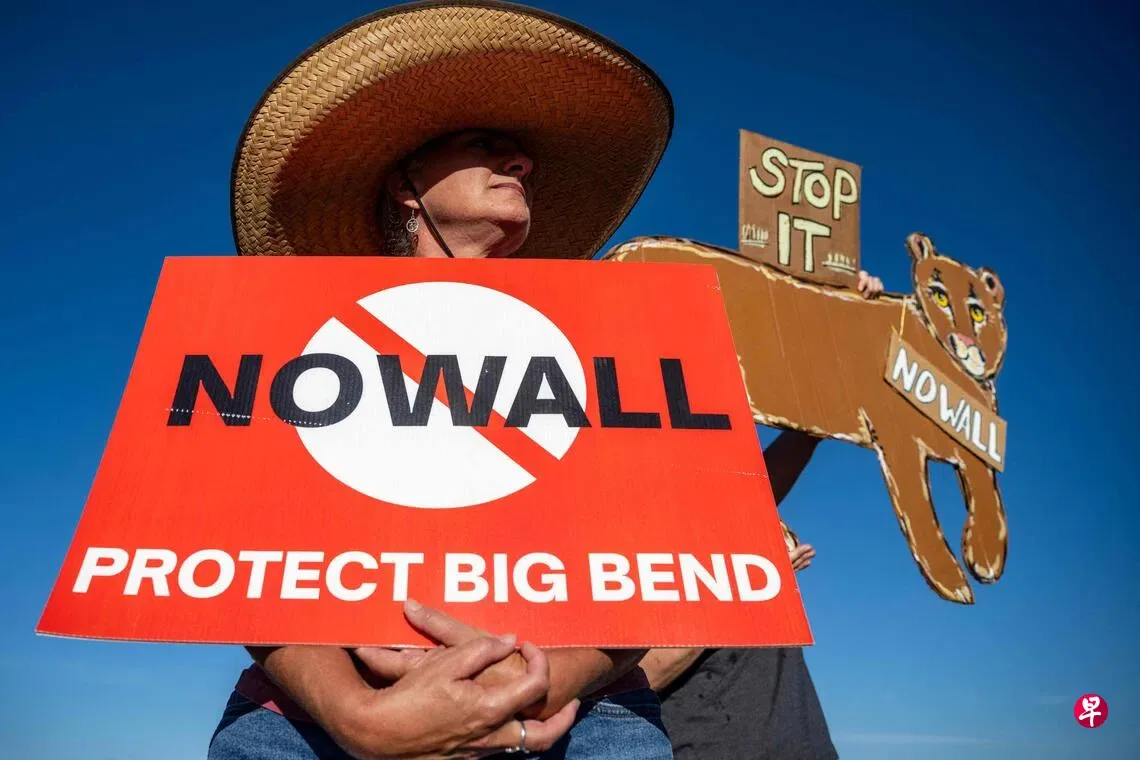
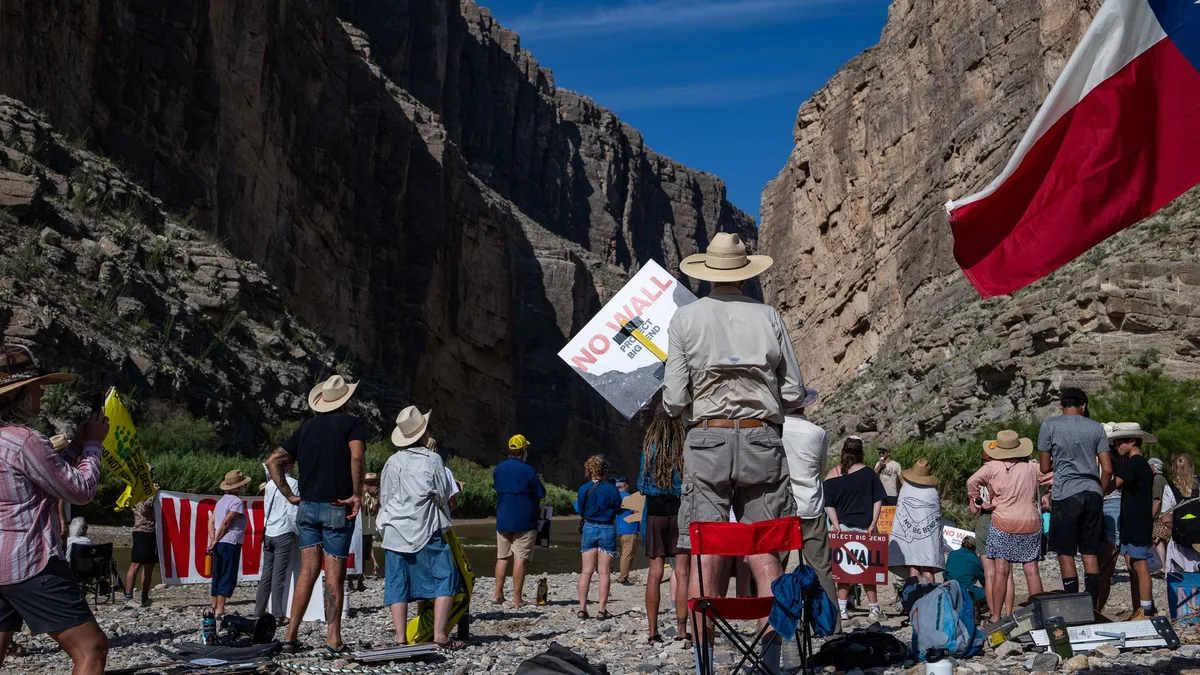
The plan has faced strong opposition from Texas local officials, including all 14 Texas border county judges and five West Texas sheriffs, alongside environmental groups and local residents [1, 2, 3, 5]. Critics argue that the terrain already acts as a natural deterrent to migration and that construction will cause severe environmental damage, including extensive dynamite blasting [1, 2, 3, 5]. Jake Knight, executive director of the Big Bend Protection Alliance, said, “It’s quite literally impossible to traverse, whether on foot or in a vehicle, from the other side into this area. Furthermore, this is not the will of the people of this region” [5]. Environmental groups have condemned the project for waiving environmental laws and awarding contracts without competitive bidding; Laiken Jordahl of the Center for Biological Diversity called it “the most heinous attack on an American national park in generations” [2].
Congress has allocated $46 billion for border wall funding overall, but border apprehension data shows relatively few migrants detained in the Big Bend Sector compared to other regions. From January 2024 to July 2026, CBP reported 9,624 apprehensions in Big Bend versus 23,080 in the US-Canada Swanton Sector for the same period [3, 5].
Following the pause announced on August 16, Commissioner Scott will conduct a personal evaluation of the site, consult with local law enforcement and stakeholders, and provide updates by the end of the week [1, 4].