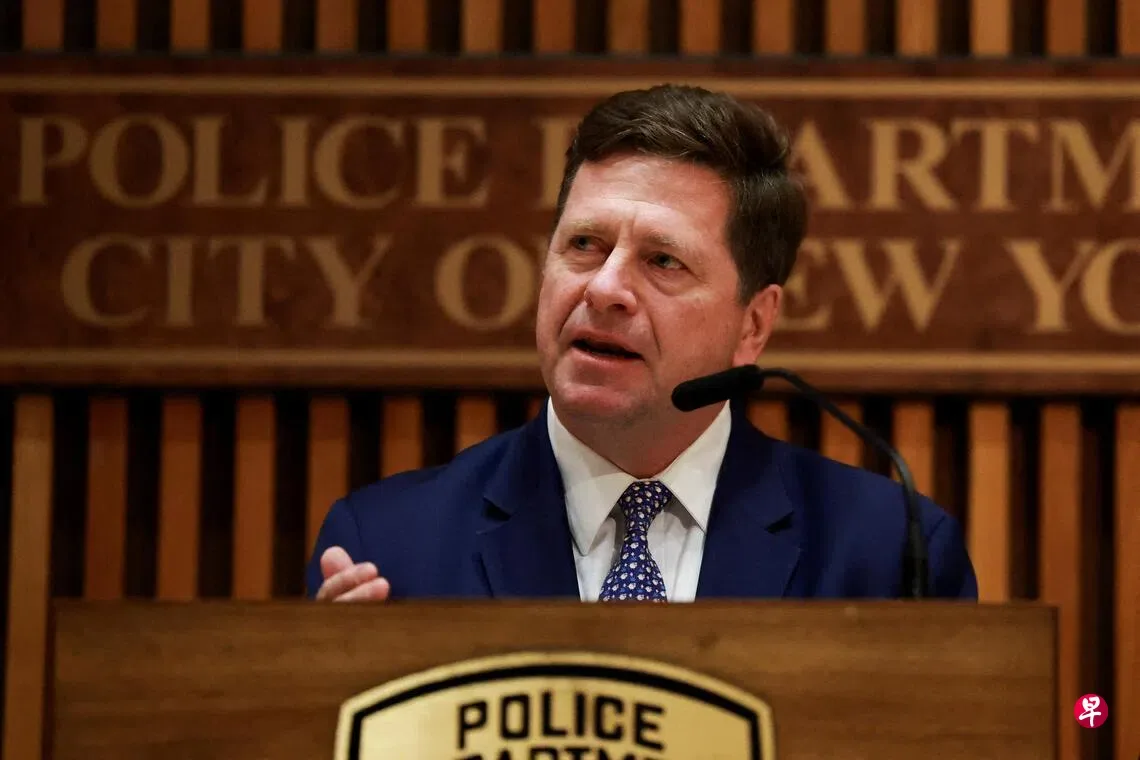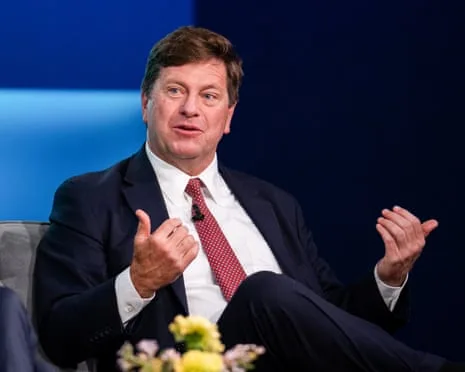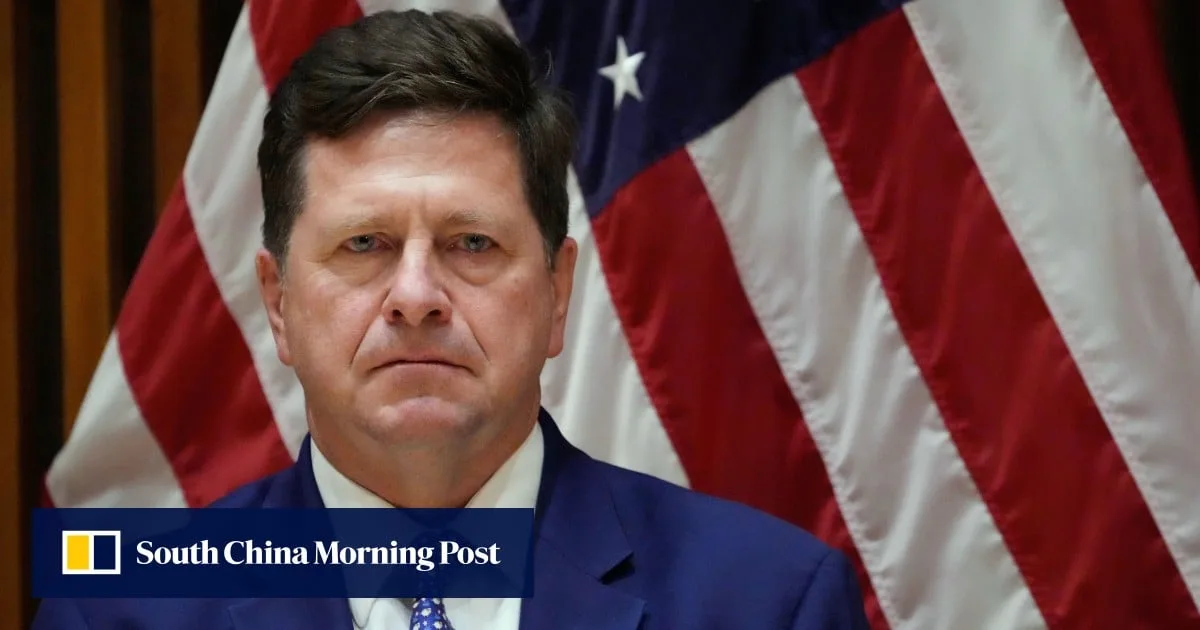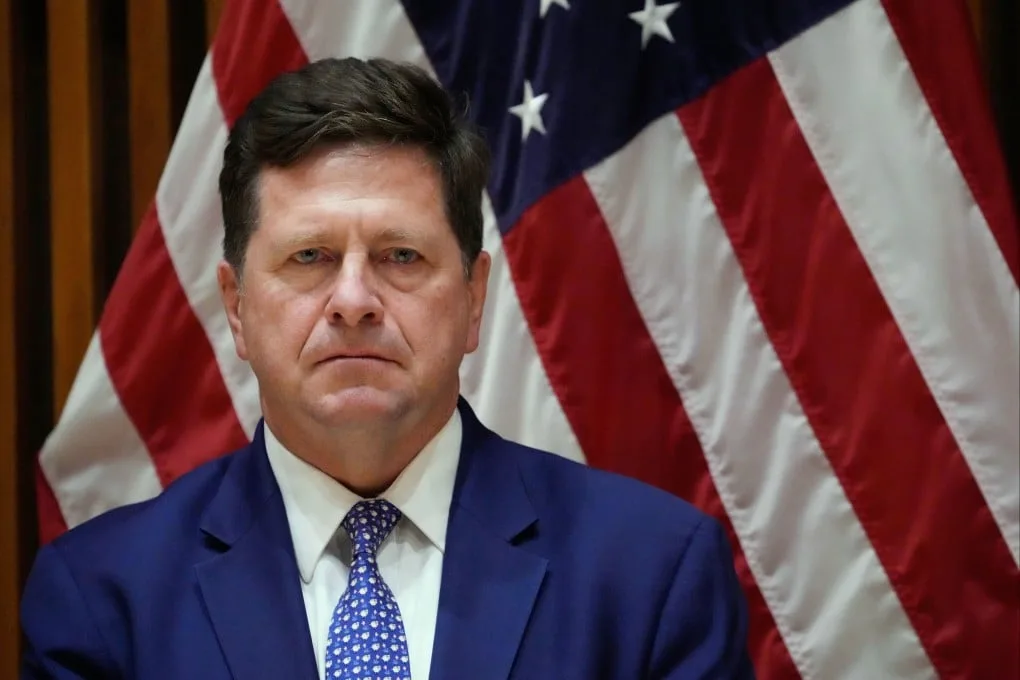
Donald Trump nominated Jay Clayton, former Securities and Exchange Commission chairman and ex-US attorney for the Southern District of New York, as the permanent Director of National Intelligence (DNI) on June 11 and urged the Senate to confirm him promptly [1, 2, 3, 4, 5, 6, 7, 8, 9].
Clayton’s nomination follows widespread bipartisan criticism of Trump’s previous choice, Bill Pulte, who was appointed acting DNI starting June 19 despite his lack of intelligence or national security experience [2, 3, 5, 6, 10, 7, 11, 12, 8]. Pulte, aged 38, is a home-construction heir and director of the Federal Housing Finance Agency (FHFA), and his selection polarized opinions even within Trump’s circle [10, 7, 12]. Democrats threatened to block renewal of the Foreign Intelligence Surveillance Act Section 702 unless Trump withdrew Pulte's nomination [2, 3, 5, 6, 7, 11, 8, 9]. The House of Representatives rejected a short-term extension of the foreign surveillance law amid opposition to Pulte’s role [3, 5, 6, 7, 8, 9].
Trump said of Clayton, "I am pleased to announce the Nomination of very Highly Respected Jay Clayton... to be the next Director of National Intelligence" and called on the Senate for rapid confirmation [1, 7]. Senate Minority Leader Chuck Schumer stated, "Bill Pulte must go. He cannot serve as Director of National Intelligence. Our national security is too important" [2]. Some Republican senators supported quick confirmation of Clayton due to his reputation, and some Democrats expressed respect while remaining cautious [5, 8]. Senator Jim Himes commented, "I know and respect Jay Clayton for decades. If he had been nominated a week ago, a lot of pain could have been avoided." Senator Mark Warner added, "I have great respect for Jay Clayton" [5].
Clayton served as SEC chairman during Trump’s first term and has a reputation as a moderate respected in legal and political circles, although he lacks formal intelligence or national security experience [1, 3, 4, 5, 6, 8, 9]. This raised some concern about his qualifications for the top intelligence role [2, 3, 6, 8, 9].
The previous DNI, Tulsi Gabbard, announced her resignation in May to care for her cancer-stricken husband and moved up her departure from June 30 to June 19, creating the gap that Pulte was to fill temporarily [2, 6, 10, 7, 8]. Trump's efforts to reduce the size of the Office of the Director of National Intelligence by about 40% and cut around $1 billion in spending under Gabbard caused internal turmoil [11]. Some sources said Pulte’s appointment strained relations with the CIA and weakened intelligence capabilities, while others pointed to the political revolt in Congress as the main impact [10, 7, 11, 12].
Bill Pulte was scheduled to begin as acting DNI on June 19, pending Clayton’s confirmation [10, 7, 12, 8]. Clayton’s nomination now sets the stage for Senate confirmation hearings as the next step to fill the permanent DNI post.