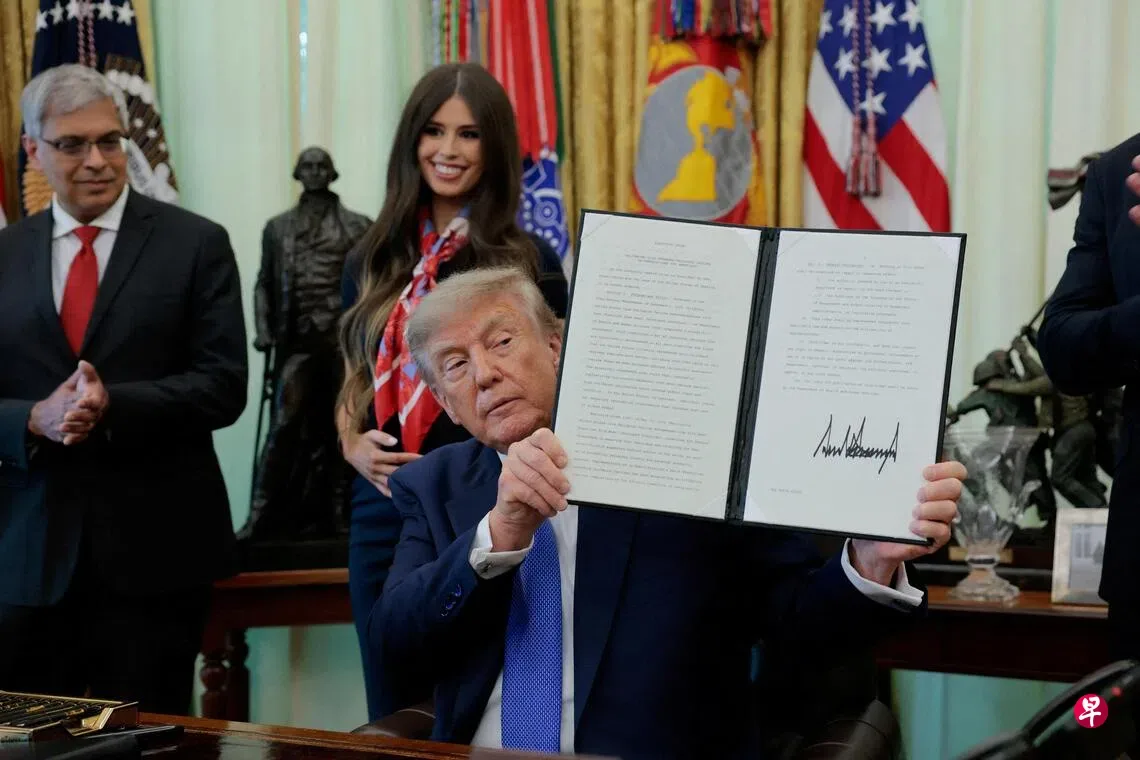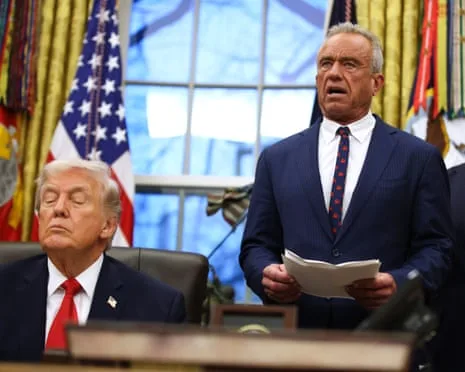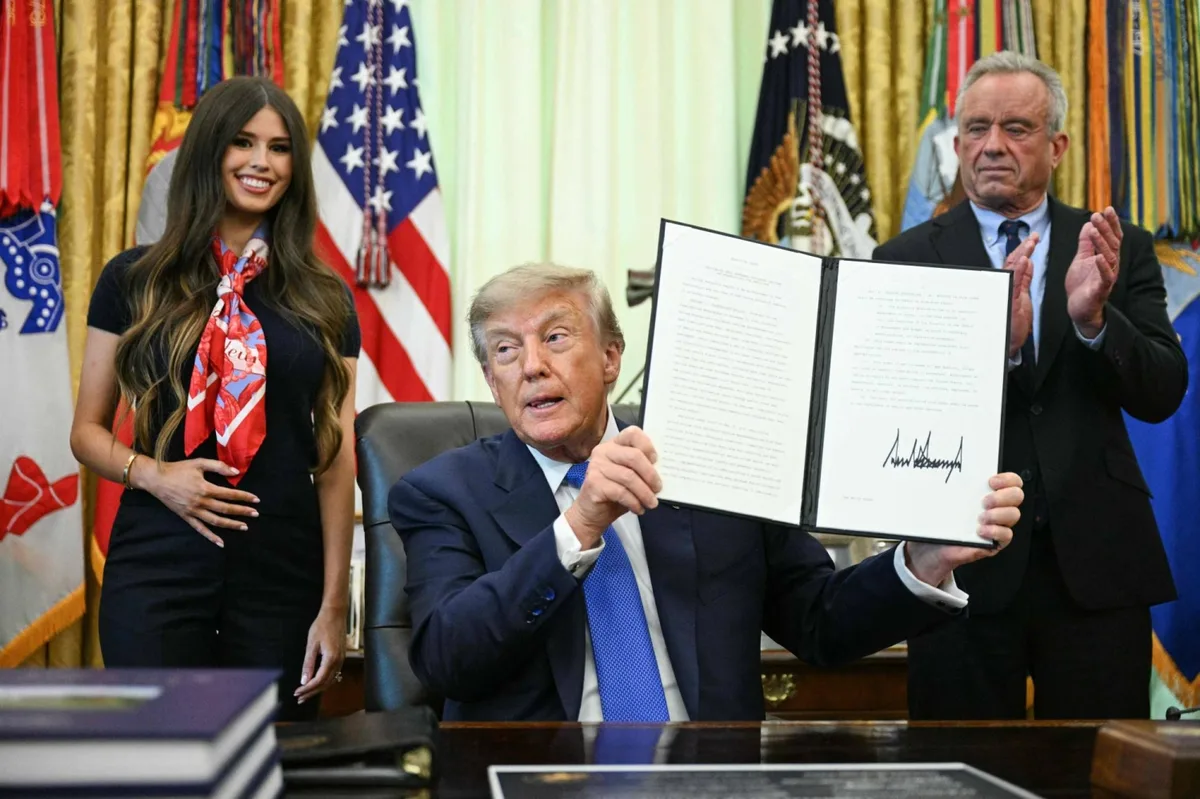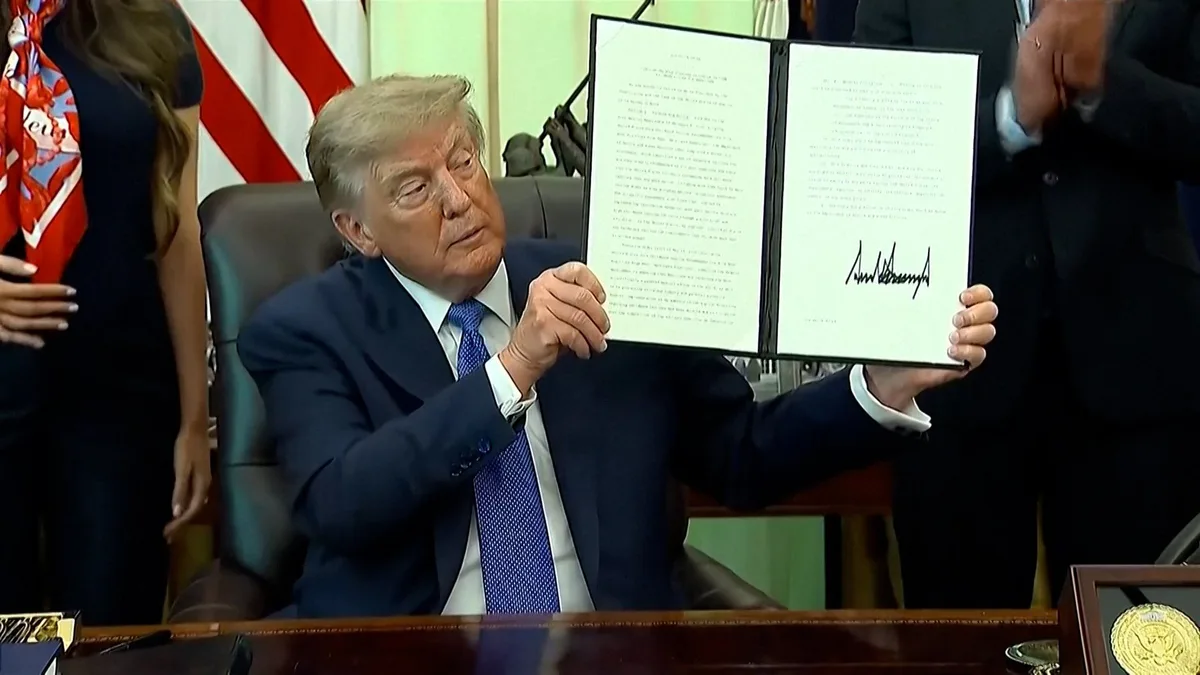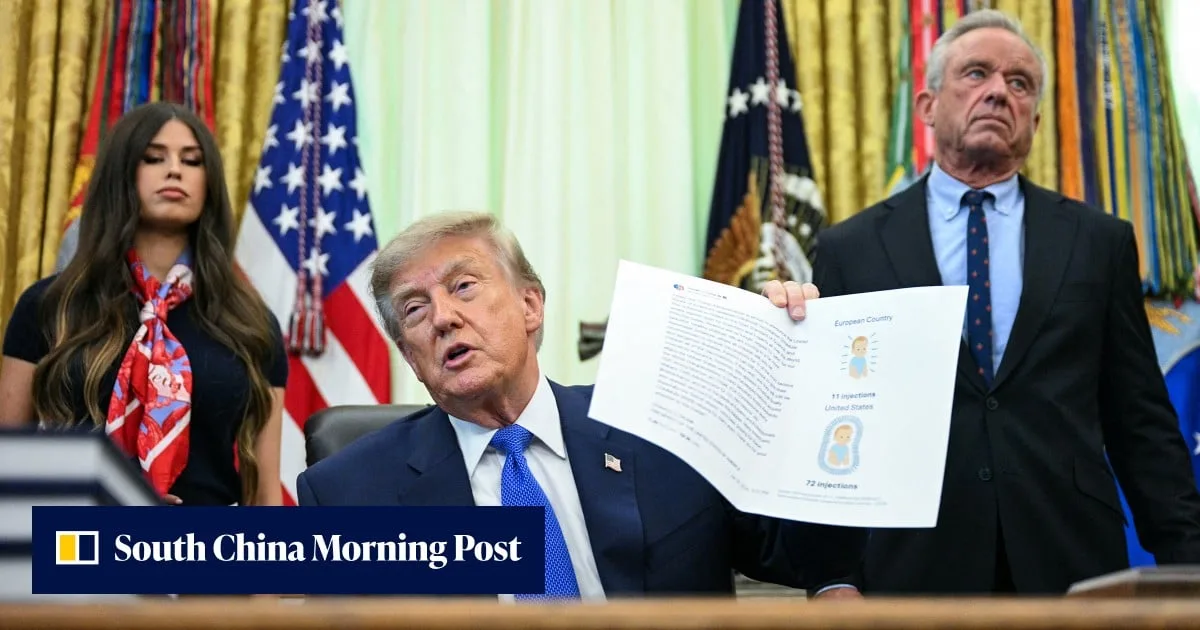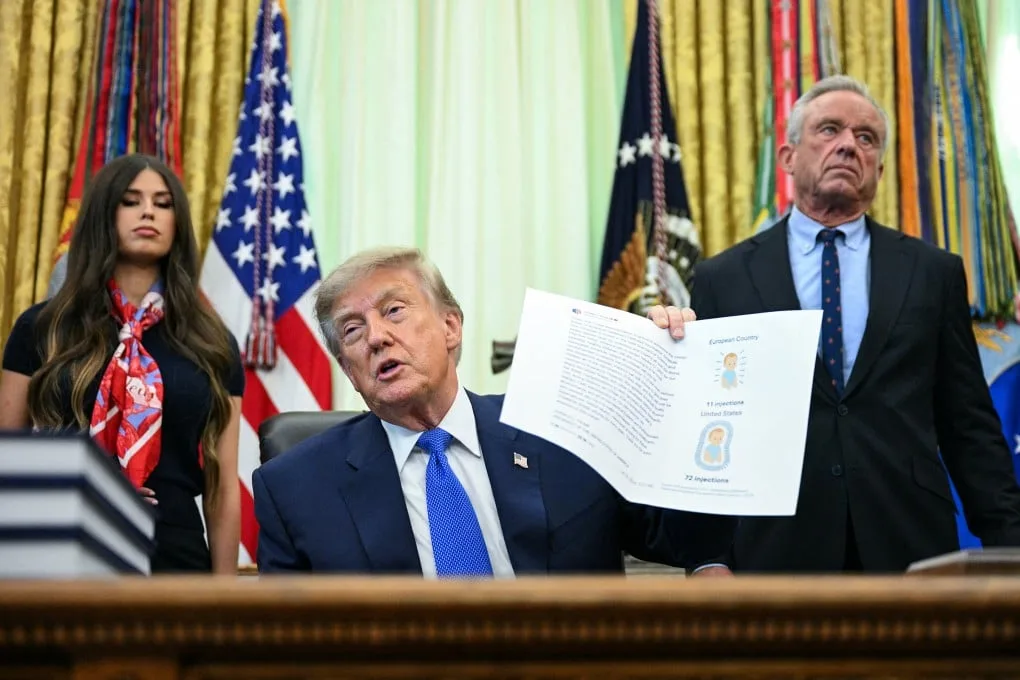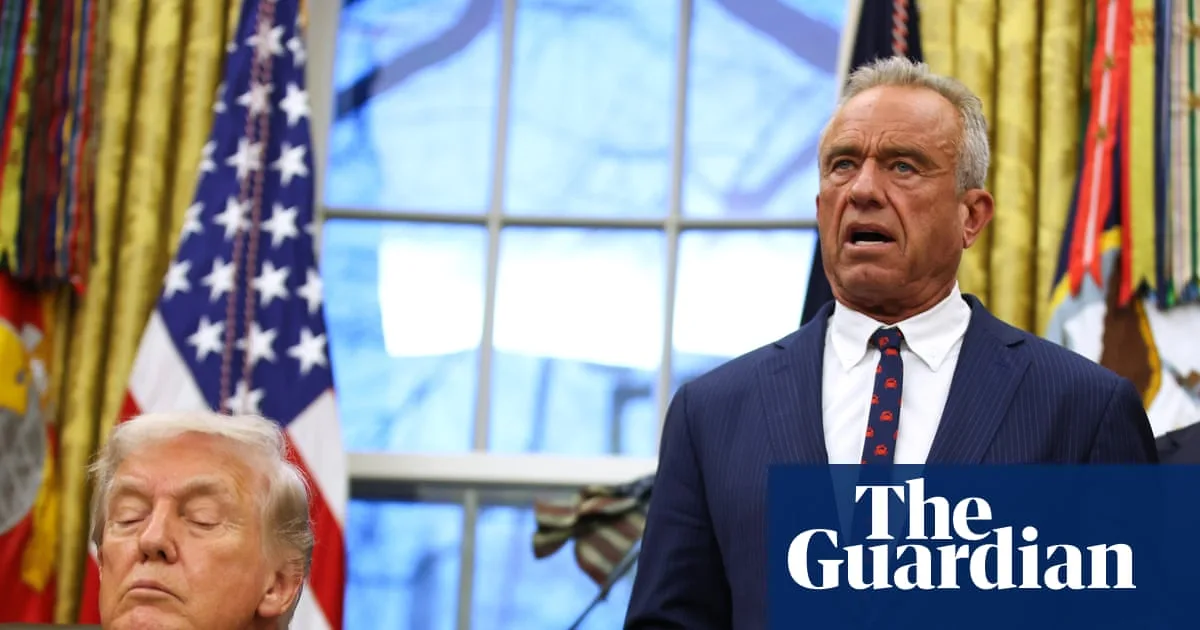
President Donald Trump signed an executive order on August 10, 2026, to reduce the number of childhood vaccines routinely recommended in the US and to require the MMR (measles, mumps, rubella) vaccine to be separated into three individual shots once available [1, 2, 3, 4, 5, 6, 7, 8].
The order cuts the core vaccine list from 17 to 11 universally recommended vaccines. Vaccines for hepatitis A and B, respiratory syncytial virus (RSV), meningococcal ACWY, dengue, and meningococcal B will be limited to high-risk groups only. Influenza, COVID-19, rotavirus, hepatitis A and B, and meningococcal disease vaccines will fall under a "shared clinical decision-making" category, allowing parents and providers to jointly decide on administration [1, 2, 6, 7, 9].
The executive order calls for breaking up the combined MMR vaccine into three separate single-antigen shots as soon as they become available in the US. Currently, no FDA-approved separate vaccines for measles, mumps, or rubella exist, so the split is not immediately feasible. The Department of Health and Human Services (HHS) has been tasked with developing a plan for separated MMR vaccines within 90 days and improving research toward their availability [1, 2, 3, 4, 5, 6, 7].
The order also recommends giving all immunizations at separate medical appointments whenever possible, rather than bundling multiple shots into one visit. This guidance aims to reduce the number of vaccines given at a single visit [1, 3, 4, 5, 6].
Trump reiterated his disputed claims linking vaccines to autism rates, citing examples of groups with low vaccine uptake and low autism diagnoses. He said, "Together, there could be a possibility they're quite lethal" and claimed the current schedule is linked to rising autism rates, although these claims lack scientific backing [2, 6, 10].
Medical experts, public health authorities including the CDC, the American Academy of Pediatrics, and vaccine makers like Merck strongly oppose the changes. They warn that splitting MMR vaccines and spreading out immunizations may lead to delayed or missed shots, lower overall coverage, and increased risks of outbreaks. Aaron M. Milstone of the AAP said, "We're advising that you continue to give children a vaccine that has decades of safety data" [2, 3, 4, 5, 6, 7, 11, 8].
Former CDC officials and other pediatricians raised concerns about reducing vaccine uptake from delaying schedules. Republican Senator Bill Cassidy criticized the order for lacking expertise and warned that splitting vaccines would increase the number of injections children receive rather than reduce them [2, 6, 7]. The White House claims the new plan reduces injections, but experts refute this, calling it misinformation based on flawed counting methods [6, 7].
The World Health Organization condemned the changes, stating vaccination policies must rely on independent scientific review rather than political influence. WHO Director-General Tedros Adhanom Ghebreyesus warned that delaying or unnecessarily splitting doses could leave children unprotected [11].
The executive order acts mostly as a recommendation since state governments control school vaccine mandates, and full implementation depends on regulatory approval and the availability of separate MMR vaccines, which experts estimate would take over 10 years to develop and license [2, 4, 5, 9].
HHS must submit a detailed plan on separating the MMR vaccine within three months of the order's signing, targeting November 2026 for delivery [2, 6].